Curating Creative Inspiration: From Art To Culture To Product Design

12 minutes

TL;DR
🎨 Cultural disconnection kills marketing effectiveness: 68% of consumers prefer culturally relevant brands, yet 92% of marketing draws from the same limited industry references, creating generic content
🎵 Music shapes emotional memory formation: 89% make daily decisions based on musical mood, with neuroscience confirming music creates stronger memory than visual content—smart brands study genre ecosystems
🎬 Cinematic storytelling techniques amplify engagement: Video content generates 1200% more shares, but intentional pacing and three-act structure achieve 43% better retention than algorithm-optimized content
🏛️ Architecture principles guide experience design: Environmental psychology shows spatial design affects creativity and behavior—high ceilings promote abstract thinking, warm lighting encourages social connection
🎭 Street art values teach authentic communication: Anti-commercial authenticity, location-specific relevance, and community collaboration create cultural power that brands can learn from without appropriating
🌍 Local culture provides competitive differentiation: Brands incorporating local elements see 45% higher engagement and 67% more emotional connection through cultural specificity that makes generic marketing human

Zach Chmael
CMO, Averi
"We built Averi around the exact workflow we've used to scale our web traffic over 6000% in the last 6 months."
Your content should be working harder.
Averi's content engine builds Google entity authority, drives AI citations, and scales your visibility so you can get more customers.
Curating Creative Inspiration: From Art To Culture To Product Design
Most marketing feels like exactly that… marketing.
It sounds corporate, looks generic, and disappears into the endless stream of content fighting for the same 3.7 seconds of human attention.
But every once in a while, something breaks through that feels different—authentic, unexpected, and undeniably human.
The difference isn't budget. It isn't talent. It's inspiration.
68% of consumers say they're drawn to brands that feel culturally relevant, yet 92% of marketing content draws from the same limited pool of industry conventions and competitor analysis. We're creating an echo chamber of mediocrity, where every brand sounds like every other brand because we're all looking at the same references, following the same playbooks, and optimizing for the same metrics.
The brands that consistently create work that stops people mid-scroll aren't the ones with the biggest media budgets—they're the ones with the best taste. They understand that great marketing doesn't come from marketing. It comes from art, music, film, architecture, street culture, local scenes, and the thousand small human moments that actually shape how people see the world.
Companies that integrate cultural influences into their marketing see 34% higher engagement rates and 23% better brand recall than those using purely business-focused creative approaches. More importantly, they build the kind of emotional connection that survives algorithm changes, platform shifts, and competitor noise.
This isn't about borrowing or appropriating.
It's about developing the cultural intelligence to create work that resonates because it reflects the world your customers actually live in—not the sanitized, focus-grouped version of reality that most marketing inhabits.

Why Most Marketing Inspiration Falls Flat
Let's start with the obvious problem: most marketers look for inspiration in marketing. We study case studies, analyze successful campaigns, and create mood boards filled with work that other brands have already done. The result is marketing that references marketing, creating layers of derivative creative that gets further from authentic human experience with each iteration.
89% of marketing professionals report feeling creatively constrained by industry conventions and client expectations. 74% say they struggle to create work that feels authentic while meeting business objectives. This isn't a talent problem—it's a reference problem.
The Creative Echo Chamber Effect
When everyone draws from the same well, the water gets muddy fast. The marketing industry has created an echo chamber where "best practices" become creative ceilings, and innovation gets replaced by optimization of existing approaches.
How the echo chamber perpetuates mediocrity:
Conference circuit homogeneity: The same speakers sharing the same insights at the same events, creating industry groupthink
Case study worship: Treating successful campaigns as templates to copy rather than inspiration to build upon
Platform optimization obsession: Creating content optimized for algorithms rather than human connection
Competitive analysis paralysis: Spending more time studying competitors than understanding culture
Risk aversion culture: Defaulting to "safe" creative choices that won't offend anyone and won't inspire anyone either
The result: Marketing that feels like marketing. Work that's technically competent but emotionally empty. Content that performs adequately but never creates the cultural moments that build lasting brand affinity.
Cultural Disconnection: When Brands Miss The Moment
72% of Gen Z consumers say they can immediately tell when brands are trying too hard to be relevant, and 81% prefer brands that understand their actual interests and values rather than their demographic profile.
Signs your brand is culturally disconnected:
Trend chasing without context: Adopting viral formats without understanding the cultural meaning behind them
Demographic targeting without cultural understanding: Marketing to 25-34 year olds instead of understanding what actually matters to people in that age group
Platform-first thinking: Creating TikTok content that looks like TikTok without understanding TikTok culture
Corporate voice in cultural spaces: Using business language in spaces where authentic human expression is the norm
Surface-level engagement: Commenting on cultural moments without demonstrating genuine understanding or investment
The brands that connect culturally don't just participate in trends—they understand the deeper currents of music, art, design, and local culture that create those trends in the first place.
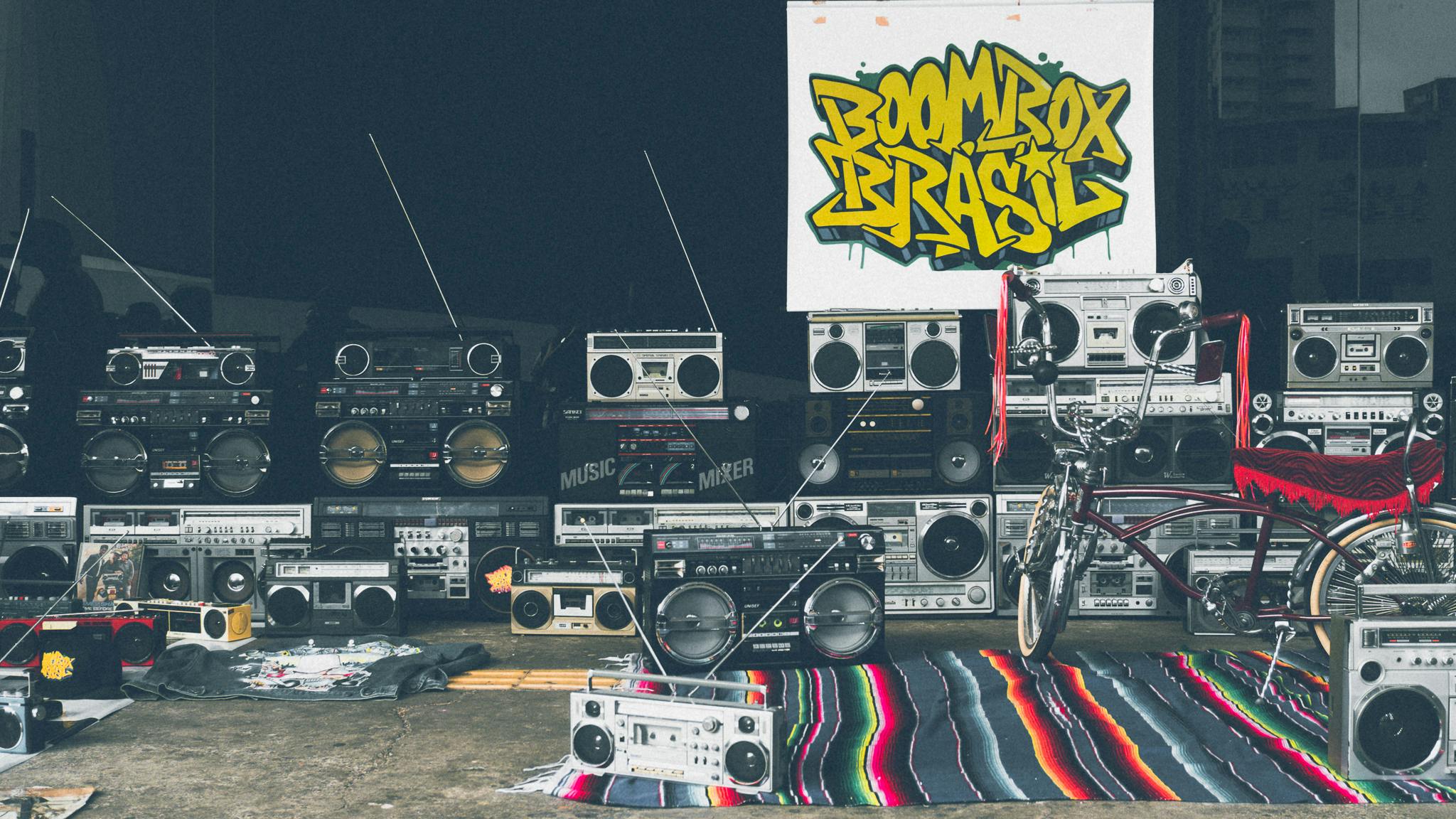
Music: The Universal Language Of Emotional Connection
Music shapes culture more than any other art form. Spotify data shows that 89% of people make daily decisions based on their musical mood, and neuroscience research confirms that musical experiences create stronger memory formation than visual or textual content.
Smart brands don't just license popular songs—they understand musical ecosystems, emerging genres, and the cultural movements that music represents.
Genre Exploration: Beyond The Billboard Charts
The most culturally intelligent brands dig deeper than mainstream music to understand the subcultures, values, and aesthetic movements that emerge from different musical communities.
Musical ecosystems to explore for creative inspiration:
Electronic music and digital culture:
Ambient and experimental: Minimalism, space, technology as meditation rather than distraction
Techno and house: Community, underground culture, collective experience over individual performance
Lo-fi and bedroom pop: DIY aesthetics, intimacy, authenticity over polish
Hyperpop and experimental: Genre-blending, digital nativity, irony and sincerity coexisting
Synthwave and retrowave: Nostalgia as forward-looking, technology as emotional landscape
Hip-hop and urban culture:
Regional scenes: Atlanta trap, Chicago drill, UK grime—each with distinct visual and cultural languages
Underground and conscious rap: Social justice, community building, art as activism
SoundCloud rap: DIY distribution, authentic vulnerability, direct artist-fan connection
Jazz and neo-soul fusion: Sophistication, musical complexity, cultural heritage celebration
Afrobeats and global fusion: Cross-cultural collaboration, diaspora connection, rhythm as universal language
Rock, indie, and alternative communities:
Post-punk revival: Art as rebellion, aesthetic as political statement, community over commerce
Indie folk and Americana: Storytelling, place-based identity, craftsmanship over mass production
Garage rock and punk: DIY ethics, authentic expression, anti-corporate values
Shoegaze and dream pop: Texture, atmosphere, feeling over literal meaning
Math rock and experimental: Technical mastery, artistic challenge, niche community celebration
Translating Musical Aesthetics Into Visual Design
The most successful music-inspired marketing doesn't just use songs as background—it translates the deeper aesthetic and cultural principles of musical movements into visual and textual design.
Framework for musical inspiration translation:
Sonic texture to visual language:
Distortion and grain: Analog imperfections that create warmth and authenticity
Layering and depth: Complex compositions that reward close attention and repeated engagement
Rhythm and pacing: Visual timing that matches the emotional cadence of musical inspiration
Dynamic range: Contrast between quiet, intimate moments and bold, attention-grabbing elements
Harmonic relationships: Color palettes and typography combinations that create visual harmony
Cultural values to brand expression:
DIY ethics: Handmade aesthetics, transparent processes, community over corporate polish
Collaboration over competition: Cross-pollination with other artists, open creative processes
Authenticity over perfection: Showing the process, admitting mistakes, embracing human imperfection
Community building: Creating spaces for fan interaction, supporting emerging talent
Cultural documentation: Celebrating the scenes and communities that create musical innovation
Case study: How Patagonia channels indie folk authenticity Patagonia's content consistently reflects indie folk values—environmental storytelling, craftsmanship celebration, community over profit, and authentic connection to place. Their visual language incorporates analog photography grain, natural color palettes, and narrative pacing that matches contemplative folk music rhythms. The result feels authentic because it draws from genuine cultural movements rather than corporate messaging strategies.
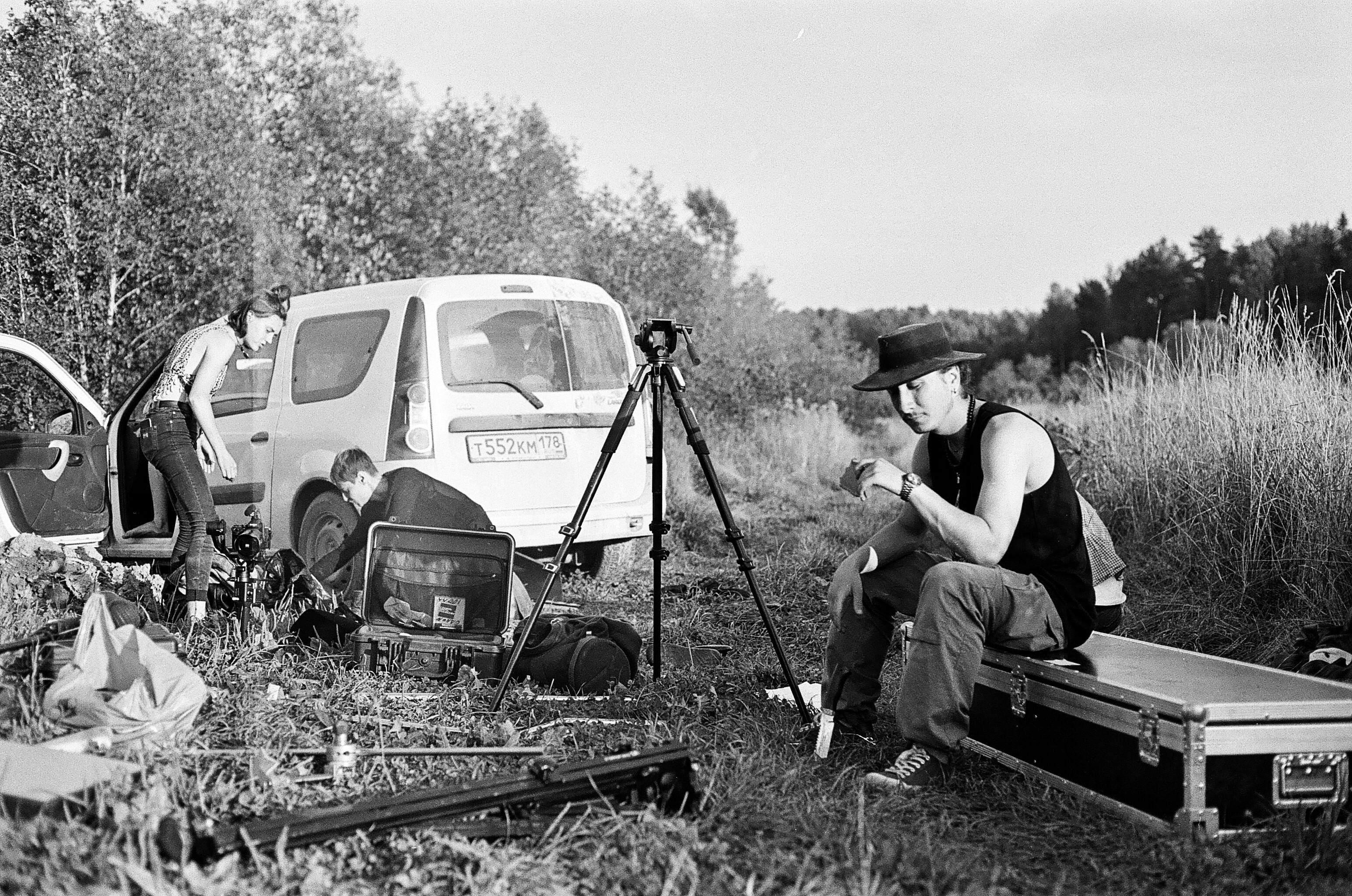
Film And Visual Storytelling: Cinematic Techniques For Brand Narratives
Cinema provides the richest source of visual storytelling techniques, emotional pacing, and narrative structure for marketing inspiration. Video content generates 1200% more shares than text and images combined, but most brand video feels nothing like the films that actually move people.
The gap between cinematic storytelling and brand video represents one of the biggest creative opportunities in modern marketing.
Genre Studies: Emotional Architecture From Film
Different film genres have developed sophisticated techniques for creating specific emotional responses and psychological states. Understanding these techniques enables more intentional and effective brand storytelling.
Genre-specific storytelling techniques for marketing:
Film noir and thriller aesthetics:
High contrast lighting: Drama through visual tension and shadow play
Unreliable narration: Mystery and intrigue that encourages audience participation
Urban environments: City as character, texture, and cultural context
Psychological complexity: Characters with hidden depths and conflicting motivations
Atmospheric tension: Mood as primary driver of audience engagement
New Wave and independent cinema:
Natural lighting and handheld camera work: Authenticity and intimacy over polish
Jump cuts and unconventional pacing: Attention to rhythm and emotional timing
Location shooting: Real places with character and cultural specificity
Improvisation and spontaneity: Planned moments that feel spontaneous and authentic
Character-driven narratives: Personal stories that illuminate universal themes
Documentary and cinéma vérité:
Observational storytelling: Showing rather than telling, letting subjects reveal themselves
Real environments and situations: Authenticity through genuine rather than constructed moments
Interview and testimonial techniques: Human voices as primary narrative device
Process documentation: Behind-the-scenes transparency that builds trust
Social context integration: Individual stories within larger cultural and social frameworks
Science fiction and speculative design:
World-building: Creating comprehensive visual and conceptual universes
Technology as character: Tools and environments that shape human behavior
Future-present connections: How current trends evolve into tomorrow's reality
Visual metaphor: Abstract concepts made tangible through design
Philosophical questions: Big ideas explored through accessible narratives
Cinematic Pacing And Emotional Rhythm
Neuroscience research shows that pacing and rhythm affect audience engagement more than any other storytelling element. Content with intentional pacing achieves 43% better retention rates than content optimized purely for platform algorithms.
Cinematic pacing techniques for brand content:
The three-act structure adapted for marketing:
Setup and world-building: Establishing context, characters, and stakes in first 15 seconds
Conflict and development: Problem introduction and solution exploration in middle section
Resolution and transformation: Clear outcome and next steps in final moments
Emotional rhythm management:
Tension and release cycles: Building anticipation and providing satisfaction at strategic intervals
Breathing room: Pause moments that allow emotional processing and emphasis
Climax positioning: Peak emotional moment placed for maximum impact and memory formation
Denouement clarity: Clear resolution that provides closure while encouraging action
Visual composition and movement:
Rule of thirds and leading lines: Directing attention through compositional choices
Camera movement meaning: Zoom, pan, and tracking shots that create emotional emphasis
Color temperature and mood: Warm/cool palettes that support narrative emotional arc
Depth of field storytelling: Focus and blur that guide audience attention and create intimacy

Architecture And Space: Designing Experiences Through Environment
Architecture shapes human behavior and emotional response more directly than any other design discipline. Environmental psychology research demonstrates that spatial design affects everything from creativity levels to purchasing decisions to social interaction patterns.
Brands that understand architectural principles create digital and physical experiences that feel intentional, comfortable, and emotionally resonant rather than chaotic or overwhelming.
Spatial Psychology: How Environment Affects Emotion And Behavior
Studies show that ceiling height affects thinking patterns: high ceilings promote abstract, creative thinking while lower ceilings encourage focused, detail-oriented work. Color temperature affects mood and energy levels: warm lighting promotes relaxation and social connection while cool lighting enhances alertness and task performance.
Architectural principles for digital experience design:
Flow and circulation:
Clear pathways: Intuitive navigation that doesn't require conscious decision-making
Destination hierarchy: Primary, secondary, and tertiary areas of focus that guide attention
Rest areas: Spaces for pause, reflection, and emotional processing
Discovery zones: Optional exploration areas that reward curiosity without disrupting main flow
Exit clarity: Clear conclusion points that provide satisfaction while encouraging return
Scale and proportion:
Human-centered sizing: Elements that feel comfortable and accessible rather than overwhelming
Visual hierarchy: Information architecture that matches natural attention patterns
Intimate vs. monumental: Strategic use of scale to create appropriate emotional response
Golden ratio applications: Mathematical relationships that create visual harmony
Responsive adaptation: Scaling that maintains proportional relationships across different contexts
Material and texture:
Tactile visual elements: Digital textures that suggest physical material qualities
Patina and aging: Imperfections that create character and authenticity
Natural vs. artificial: Material choices that communicate values and aesthetic priorities
Layering and depth: Visual complexity that creates interest without overwhelming
Seasonal adaptation: Environmental changes that reflect temporal context and cultural moments
Architectural Movements As Creative Reference
Different architectural movements embody distinct values, aesthetics, and approaches to human experience that translate directly into brand personality and marketing design.
Architectural movements for marketing inspiration:
Brutalism and raw honesty:
Unfinished aesthetics: Showing construction, process, and human imperfection
Monumental simplicity: Bold, confident forms without decorative distraction
Material authenticity: Concrete, steel, and glass used honestly rather than disguised
Social housing ideals: Design for community rather than individual luxury
Functional beauty: Aesthetics that emerge from purpose rather than applied decoration
Bauhaus and functional modernism:
Form follows function: Every element serves a clear purpose and business objective
Geometric clarity: Clean lines and systematic organization that creates calm focus
Primary color usage: Bold, confident color choices that create clear emotional associations
Typography integration: Text as design element that supports rather than competes with visuals
Democratic design: Accessibility and usability for broad audiences rather than elite sophistication
Japanese minimalism and ma (negative space):
Strategic emptiness: White space as active design element that creates emphasis and breathing room
Natural material integration: Wood, stone, and textile textures that create warmth and authenticity
Seasonal awareness: Design that changes and adapts to temporal and cultural context
Imperfection celebration: Wabi-sabi aesthetics that find beauty in age and authentic use
Contemplative pacing: Slow, meditative rhythm that encourages deeper engagement
Postmodern playfulness and cultural reference:
Historical quotation: Referencing design heritage while creating contemporary relevance
Irony and wit: Humor and surprise that creates memorable moments and shareability
Cultural collision: Mixing high and low culture, formal and informal elements
Ornamental revival: Decoration as communication and cultural expression
Contextual response: Design that engages with local culture and community rather than universal solutions
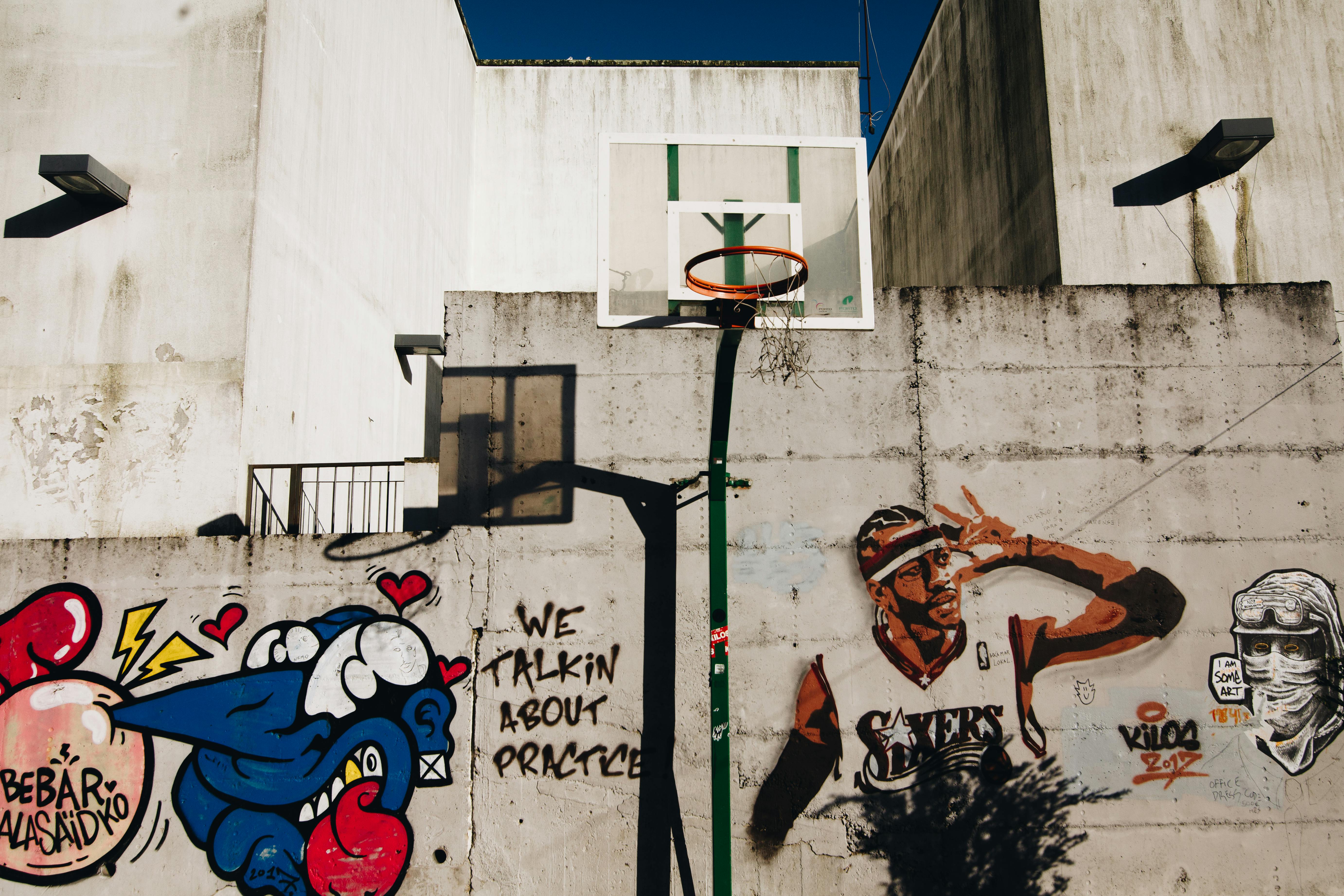
Street Art And Urban Culture: Authenticity In Public Space
Street art represents the most democratic and culturally immediate form of visual communication. Street art tourism generates $1.2 billion annually, demonstrating its cultural value and authentic appeal to diverse audiences.
Brands that understand street art culture don't appropriate imagery—they learn from the values, techniques, and community dynamics that make street art culturally powerful.
The Aesthetics Of Authenticity
Street art succeeds because it emerges from genuine community expression rather than corporate messaging. The visual techniques developed by street artists solve real problems of communication, attention, and cultural relevance that brand designers can learn from.
Street art techniques for brand communication:
Wheat paste and collage:
Layered storytelling: Multiple images and text elements that create complex narratives
Texture and patina: Analog imperfections that suggest authentic human creation
Scale flexibility: Techniques that work at both intimate and monumental sizes
Quick deployment: Design approaches optimized for rapid creation and iteration
Cultural integration: Visual elements that respond to specific neighborhoods and communities
Stencil and template work:
Iconic simplification: Complex ideas reduced to essential, memorable visual elements
Repetition and variation: Systematic approaches that maintain consistency while allowing adaptation
High contrast graphics: Bold, clear imagery that works in challenging visual environments
Political and social messaging: Direct communication about values and cultural positioning
Collaborative frameworks: Template systems that enable community participation and contribution
Mural and large-format storytelling:
Community collaboration: Participatory creation processes that build local ownership
Cultural heritage integration: Connections to neighborhood history, identity, and values
Narrative complexity: Multi-panel storytelling that rewards extended attention
Interactive elements: QR codes, augmented reality, and social media integration
Seasonal and temporal updates: Design that evolves and stays current with community changes
Learning From Graffiti Culture Without Appropriation
The key to learning from street art culture is understanding the values and community dynamics rather than just copying visual styles. Authentic cultural engagement requires genuine investment in communities and movements rather than surface-level aesthetic borrowing.
Street art values for brand inspiration:
Anti-commercial authenticity:
DIY production values: Handmade aesthetics that show human creation rather than corporate polish
Resource constraints creativity: Innovative solutions developed within real limitations
Community over profit: Prioritizing cultural value and social connection over immediate financial return
Accessible participation: Low barriers to entry that encourage broad community involvement
Transparent process: Showing the work, mistakes, and evolution rather than just finished results
Location-specific relevance:
Neighborhood character: Design that reflects local culture, history, and community values
Contextual response: Visual elements that engage with specific architectural, social, and cultural environments
Community dialogue: Art that starts conversations and encourages local engagement
Cultural documentation: Preserving and celebrating community stories, traditions, and identity
Social justice integration: Art that addresses local issues and promotes community empowerment
Case study: How Airbnb's Belong Anywhere campaign channels street art values Airbnb's global campaign successfully translated street art principles into brand communication by focusing on local community stories, authentic cultural documentation, and participatory creation processes. Instead of appropriating street art visuals, they invested in local artists and community storytellers, creating content that felt authentic because it emerged from genuine cultural engagement.
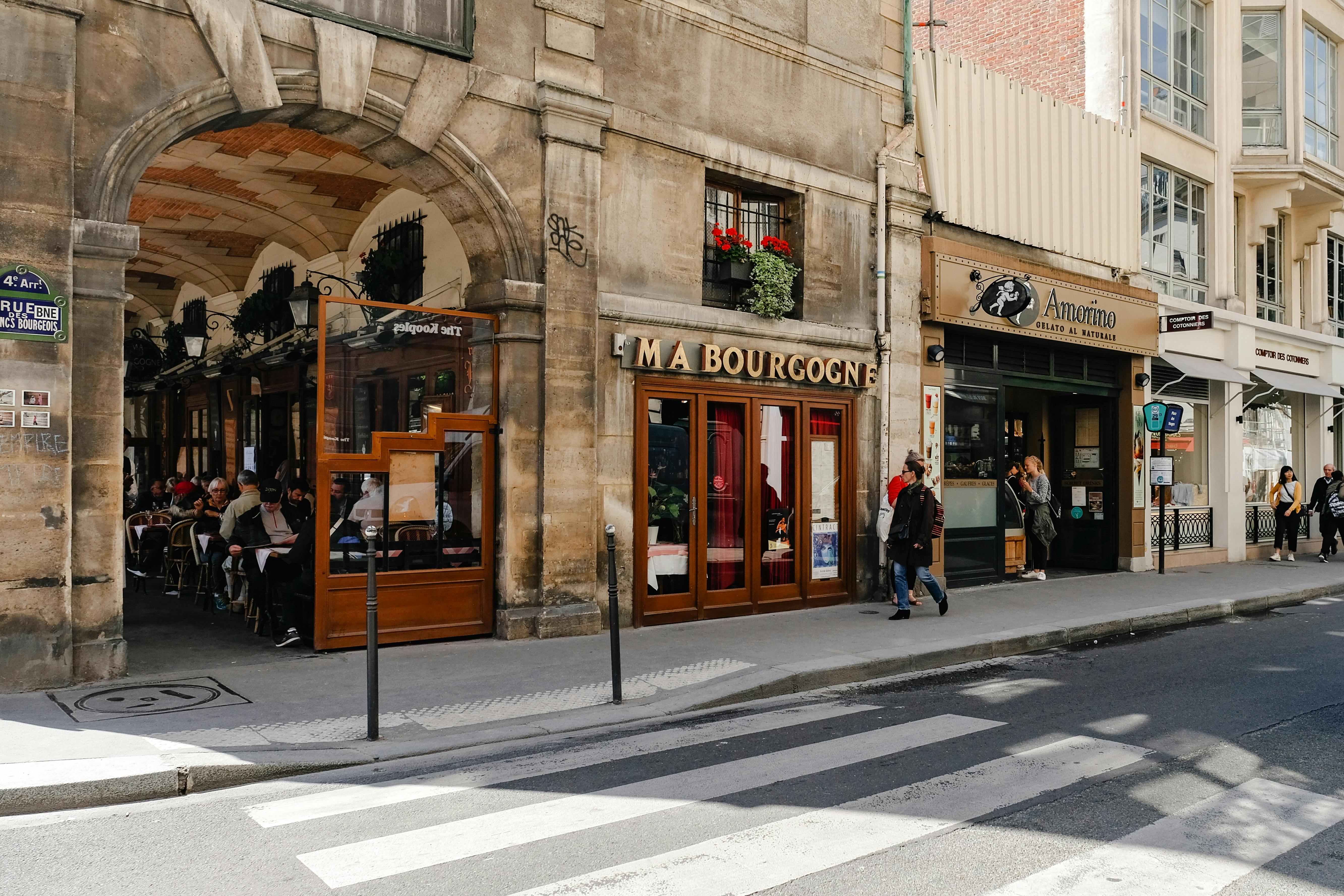
Local Culture: Mining Your Own Backyard For Creative Gold
The most overlooked source of creative inspiration is often the closest to home. Brands that incorporate local cultural elements see 45% higher engagement in their home markets and create 67% more emotional connection with regional customers.
Local culture provides the cultural specificity and authentic detail that makes generic marketing feel human and relevant.
Regional Identity: Beyond Demographics To Culture
Most local marketing stops at demographic targeting—marketing to "people in Chicago" rather than understanding Chicago culture. Effective local cultural integration requires deep understanding of regional values, communication styles, cultural references, and community dynamics.
Framework for local cultural exploration:
Historical and cultural heritage:
Founding stories and local legends: Narratives that shape community identity and values
Architectural styles and urban planning: How physical environment reflects cultural priorities
Immigration and demographic evolution: Cultural mixing that creates unique local character
Industry and economic history: How work and commerce shape community culture
Cultural institutions: Museums, music venues, and community spaces that define local identity
Contemporary culture and subcultures:
Music and art scenes: Local artists, venues, and movements that create cultural energy
Food and dining culture: Restaurants, markets, and culinary traditions that reflect community values
Sports and recreation: Teams, activities, and gathering places that unite community members
Neighborhood dynamics: District personalities and local community characteristics
Seasonal rhythms: How weather, events, and calendar cycles affect local culture
Language and communication patterns:
Regional dialect and slang: Local terminology and communication styles
Humor and cultural references: Shared jokes, stories, and cultural touchstones
Social norms and values: Unwritten rules about behavior, interaction, and community participation
Media consumption: Local publications, radio stations, and information sources
Social media culture: Platform usage patterns and local influencer communities
Hyperlocal Storytelling: Making The Specific Universal
The paradox of local culture is that the most specific, culturally rooted content often resonates most broadly. Stories with strong local character achieve 34% better performance than generic content, even with audiences outside the local market.
Local storytelling techniques that travel:
Neighborhood character studies:
Local business profiles: Stories about community entrepreneurs that illustrate broader business values
Community event documentation: Festivals, markets, and gatherings that show local culture in action
Historical location storytelling: How specific places have evolved and what they represent today
Seasonal tradition exploration: Annual cycles and celebrations that reveal community priorities
Challenge and resilience narratives: How local communities handle difficulties and create solutions
Cultural translation and context:
Universal theme identification: Human experiences that resonate regardless of geographic location
Cultural bridge-building: Connections between local and broader cultural movements
Value demonstration: How local characteristics illustrate broader brand values and positioning
Community wisdom sharing: Local insights that provide broader lessons and inspiration
Authentic voice preservation: Maintaining local character while ensuring broad accessibility
Translating Cultural Inspiration Into Marketing Strategy
The gap between cultural inspiration and marketing execution is where most brands fail. Recognizing great culture is easier than translating it into authentic brand expression that serves business objectives while maintaining cultural integrity.
The Translation Framework: From Inspiration To Execution
Successful cultural translation requires systematic approaches that preserve the essence of cultural inspiration while adapting it for brand context and business objectives.
Cultural translation methodology:
Deep cultural analysis:
Value extraction: What beliefs, priorities, and worldview does this cultural movement represent?
Aesthetic principles: What visual, audio, and experiential elements create the cultural feeling?
Community dynamics: How do people interact within this cultural space?
Communication patterns: What language, tone, and style characterizes this culture?
Authenticity markers: What elements signal genuine participation versus superficial appropriation?
Brand alignment assessment:
Value compatibility: How do cultural values align with or challenge brand positioning?
Audience intersection: Where do cultural participants overlap with brand target markets?
Message amplification: How can cultural principles strengthen brand communication?
Differentiation opportunity: What unique positioning can cultural integration create?
Risk evaluation: What cultural sensitivities require careful handling or avoidance?
Creative adaptation process:
Principle extraction: Identifying core cultural elements that can be authentically adapted
Visual translation: Adapting aesthetic elements while maintaining cultural respect
Tone and voice integration: Incorporating communication patterns that feel natural
Community engagement: Involving cultural participants in creation and validation processes
Iteration and refinement: Testing and improving cultural integration based on community response
Avoiding Cultural Appropriation: Engagement Versus Exploitation
The difference between cultural inspiration and cultural appropriation lies in relationship, respect, and reciprocity. Brands that engage authentically with culture create lasting relationships, while those that appropriate create backlash and reputation damage.
Framework for ethical cultural engagement:
Relationship building before content creation:
Community investment: Financial and resource support for cultural communities and movements
Long-term commitment: Ongoing engagement rather than one-off campaign exploitation
Artist collaboration: Partnerships with cultural creators that provide fair compensation and creative control
Platform sharing: Amplifying cultural voices rather than talking over them
Learning and education: Genuine interest in understanding culture rather than just using it
Authentic participation versus surface adoption:
Value alignment: Genuine commitment to cultural values, not just aesthetic borrowing
Community benefit: Cultural engagement that creates positive impact for originating communities
Credit and attribution: Clear acknowledgment of cultural sources and influences
Evolution and growth: Allowing cultural engagement to change and develop brand perspective
Respectful boundaries: Understanding what aspects of culture are appropriate for brand use
Case Studies: Brands That Get Cultural Inspiration Right
Learning from brands that successfully translate cultural inspiration into authentic marketing reveals patterns and approaches that can be adapted across industries and contexts.
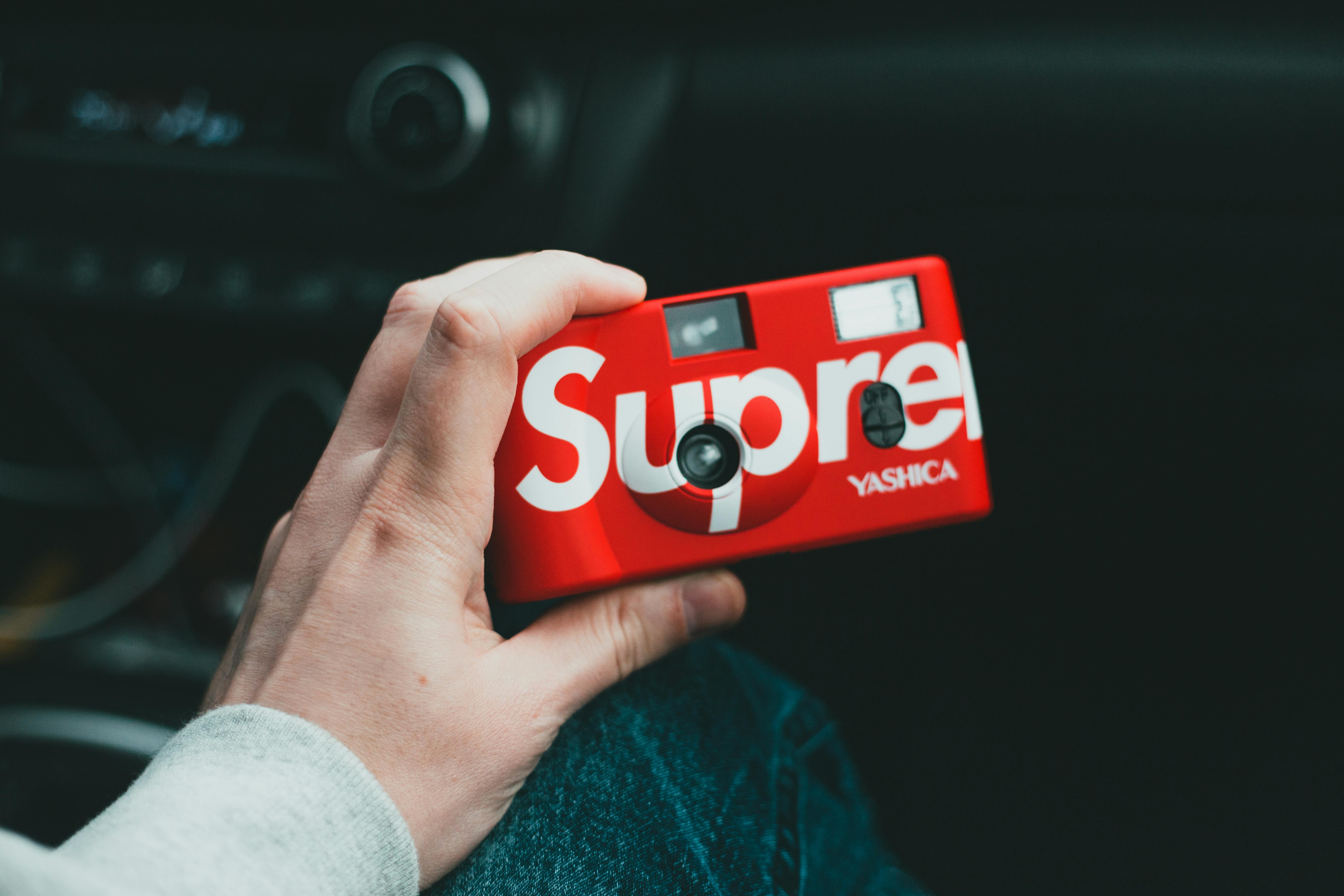
Case Study 1: Supreme's Cultural Curation Strategy
Supreme has built a $2.1 billion brand by understanding and participating in multiple cultural movements simultaneously—skateboarding, hip-hop, art, fashion, and photography—without appropriating or diluting any of them.
Cultural integration strategies:
Deep community investment:
Skateboarding foundation: Authentic participation in skate culture through team sponsorship, video production, and community space support
Artist collaborations: Partnerships with established and emerging artists across disciplines, providing platform and compensation
Subculture documentation: Photography and film projects that celebrate cultural movements without exploiting them
Limited edition releases: Scarcity that honors cultural value rather than just creating artificial demand
Cultural institution partnerships: Collaborations with museums and galleries that support broader cultural dialogue
Aesthetic translation without appropriation:
Minimalist design philosophy: Clean, confident visual approach that complements rather than competes with cultural imagery
Typography as brand element: Consistent font treatment that works across cultural contexts
Color and composition: Visual system that enhances cultural collaborations while maintaining brand recognition
Product integration: Functional objects that serve cultural communities rather than just displaying logos
Context-sensitive application: Brand expression that adapts to cultural environments while maintaining consistency
Community respect and reciprocity:
Fair compensation: Appropriate payment for cultural creators and collaborators
Creative control: Allowing artists and cultural figures to maintain artistic integrity
Platform amplification: Using brand reach to promote cultural movements and individual creators
Long-term relationships: Ongoing partnerships rather than transactional collaborations
Cultural education: Brand communication that teaches audiences about cultural movements and histories
Case Study 2: Patagonia's Environmental Culture Integration
Patagonia has successfully integrated outdoor culture, environmental activism, and adventure photography into a coherent brand identity that feels authentic because it emerges from genuine cultural participation.
Environmental culture translation:
Adventure community authenticity:
Athlete sponsorship: Support for climbers, surfers, and outdoor athletes who embody brand values
Documentary production: Films that document environmental issues and adventure culture
Gear testing: Product development through real use by cultural community members
Event sponsorship: Support for environmental and adventure events that build community
Educational programming: Workshops and classes that share outdoor skills and environmental knowledge
Visual and narrative consistency:
Photography style: Authentic documentation of outdoor adventure rather than posed lifestyle imagery
Color palette: Natural tones that reflect outdoor environments and seasonal changes
Typography choices: Utilitarian fonts that suggest function over fashion
Storytelling approach: Adventure narratives that connect personal experience to environmental issues
Content pacing: Contemplative rhythm that matches outdoor experience rather than social media urgency
Values integration and activism:
Environmental advocacy: Political engagement that risks business relationships for cultural integrity
Supply chain transparency: Manufacturing practices that align with community values
Repair and reuse programs: Business models that support environmental culture rather than just profit maximization
Community organizing: Support for grassroots environmental movements
Educational initiatives: Environmental education that serves community rather than just brand awareness
Case Study 3: Nike's Basketball Culture Evolution
Nike's basketball marketing demonstrates how brands can evolve with cultural movements while maintaining authentic connection to community roots.
Basketball culture evolution:
Community foundation maintenance:
Youth program investment: Ongoing support for community basketball programs and facilities
Local artist collaborations: Partnerships with regional designers and cultural creators
Neighborhood storytelling: Documentation of local basketball culture and community stories
Inclusive representation: Marketing that reflects basketball culture's diversity and community values
Skill development support: Programs that teach basketball fundamentals and life skills
Cultural moment participation:
Social justice integration: Brand positioning that supports athlete activism and community issues
Music and fashion integration: Collaborations that reflect basketball culture's influence on broader cultural movements
Technology and tradition balance: Innovation that enhances rather than replaces cultural elements
Global and local connection: International marketing that respects regional basketball cultures
Generational bridge-building: Content that connects basketball history with contemporary culture

Developing Your Cultural Intelligence System
Building systematic approaches to cultural inspiration requires ongoing investment in research, relationship building, and creative experimentation. The brands that consistently create culturally resonant work treat cultural intelligence as a core competency rather than occasional inspiration.
Building Your Cultural Research Practice
Companies with systematic cultural research programs achieve 56% better creative performance than those relying on occasional inspiration or trend reports.
Cultural intelligence research framework:
Daily cultural immersion:
Music exploration: 30 minutes daily listening to new genres, local scenes, and emerging artists
Visual culture scanning: Regular exploration of art, design, photography, and fashion across platforms
Local event attendance: Monthly participation in community cultural events and gatherings
Documentary and film watching: Weekly exposure to different cultural perspectives and storytelling styles
Reading beyond marketing: Books, magazines, and publications that cover culture, art, and social movements
Systematic documentation:
Inspiration libraries: Organized collections of cultural references with analysis of appeal and relevance
Trend evolution tracking: Documentation of how cultural movements develop and spread
Community mapping: Understanding of cultural networks, influences, and relationships
Seasonal and cyclical patterns: Recognition of cultural rhythms and recurring themes
Geographic and demographic variation: How culture differs across regions and communities
Community relationship development:
Local artist connections: Ongoing relationships with cultural creators in your area
Cultural institution partnerships: Memberships and collaborations with museums, galleries, and music venues
Subculture participation: Authentic engagement with cultural movements relevant to your audience
Educational investment: Classes, workshops, and learning opportunities in cultural areas
Mentorship and apprenticeship: Learning from cultural practitioners and community leaders
From Inspiration To Implementation: The Creative Process
The most critical skill in cultural marketing is translation—taking cultural inspiration and adapting it for brand context without losing authenticity or effectiveness.
Cultural translation workflow:
Inspiration capture and analysis:
Immediate documentation: Recording cultural moments and inspirations with context and analysis
Source attribution: Clear tracking of cultural influences and origins for ethical usage
Relevance assessment: Evaluation of cultural fit with brand values and audience interests
Trend vs. timeless evaluation: Distinguishing between momentary cultural trends and lasting movements
Community connection: Understanding how cultural elements relate to specific communities and movements
Brand integration strategy:
Values alignment: Ensuring cultural inspiration supports rather than contradicts brand positioning
Audience intersection: Identifying where cultural movements connect with brand target markets
Competitive differentiation: Using cultural integration to create unique market positioning
Risk assessment: Evaluating potential cultural sensitivities and appropriation concerns
Resource requirement: Understanding investment needed for authentic cultural engagement
Creative adaptation process:
Principle extraction: Identifying core cultural elements that can be authentically translated
Prototype development: Testing cultural integration approaches with small audiences
Community feedback: Involving cultural participants in validation and refinement
Legal and ethical review: Ensuring cultural usage respects intellectual property and community values
Performance measurement: Tracking cultural resonance and business impact
The Averi Approach To Cultural Intelligence
This is exactly the kind of creative intelligence that Averi's approach to marketing was designed to enable—systematic cultivation of cultural awareness that translates into authentic brand expression and community connection.
Most marketing platforms treat culture as trend data to be analyzed rather than living communities to be understood and respected. Averi's integrated approach combines AI-powered cultural analysis with human creative intelligence to create marketing that feels culturally authentic because it emerges from genuine cultural understanding.
Cultural intelligence capabilities:
AI-powered cultural monitoring: Advanced analysis of emerging cultural movements, music scenes, art trends, and local cultural evolution that identifies inspiration opportunities before they become mainstream trends.
Expert creative network: Access to cultural specialists, local artists, music industry professionals, and community leaders who provide authentic cultural insight and creative collaboration.
Brand voice integration: Systematic approaches to translating cultural inspiration into brand-appropriate creative expression that maintains authenticity while serving business objectives.
Community-driven feedback loops: Direct connections to cultural communities for validation, refinement, and ongoing relationship building that prevents appropriation while encouraging genuine cultural engagement.
The result: Marketing that doesn't just reference culture—it participates in it. Content that feels authentic because it emerges from genuine cultural understanding rather than surface-level trend analysis.

The Future Of Culturally Intelligent Marketing
As AI makes technical marketing execution increasingly commoditized, cultural intelligence becomes the primary differentiator between brands that create lasting emotional connection and those that disappear into algorithmic noise.
Beyond Trend Prediction To Cultural Participation
The brands that will dominate the next decade won't be those that predict cultural trends—they'll be those that participate in creating them. Cultural leadership requires investment in communities and movements rather than just analysis of what's already happening.
Evolution toward cultural participation:
Community investment: Financial and creative support for cultural movements before they become mainstream
Platform amplification: Using brand reach to promote cultural creators and community voices
Collaborative creation: Co-creating content and experiences with cultural communities rather than marketing to them
Values integration: Allowing cultural engagement to evolve brand positioning and business practices
Long-term relationship building: Thinking in decades rather than campaign cycles about cultural community connections
Technology As Cultural Intelligence Amplifier
The most sophisticated marketing organizations are developing AI-powered cultural intelligence systems that identify emerging movements, analyze cultural patterns, and suggest authentic integration opportunities.
Next-generation cultural intelligence tools:
Multi-platform cultural monitoring: Real-time analysis of music, art, fashion, and design trends across global and local communities
Community sentiment analysis: Understanding how cultural movements feel about brand participation and commercial engagement
Aesthetic pattern recognition: AI identification of visual, audio, and design trends that haven't yet reached mainstream marketing awareness
Cultural network mapping: Understanding relationships between artists, communities, and cultural movements
Authenticity scoring: Evaluation of brand cultural integration for appropriation risk and community acceptance
Building Sustainable Cultural Relationships
The most successful culturally intelligent brands are developing long-term relationship strategies that create mutual value for both brands and cultural communities.
Sustainable cultural engagement models:
Artist development programs: Long-term investment in emerging cultural creators
Community facility support: Physical and digital space creation for cultural gathering and creation
Educational partnerships: Collaborations with cultural institutions that provide community benefit
Cultural documentation projects: Investment in preserving and celebrating community stories and heritage
Economic opportunity creation: Business models that generate income for cultural communities and participants
Your Cultural Intelligence Action Plan
Building systematic cultural intelligence capabilities requires ongoing commitment to research, relationship building, and authentic community engagement. The brands that excel at cultural marketing treat it as a core business competency rather than creative luxury.
Immediate Steps: Building Your Cultural Foundation
This week: Begin systematic cultural exploration
Audit your current cultural references: Document where your creative inspiration currently comes from and identify gaps
Map your local cultural landscape: Research music venues, art galleries, community events, and cultural institutions in your area
Start daily cultural immersion: Commit 30 minutes daily to exploring music, art, design, or cultural content outside your usual consumption
Identify cultural communities: Find 3-5 cultural movements or communities that align with your brand values and audience interests
Begin relationship building: Attend one local cultural event or reach out to one cultural creator for conversation
30-Day Cultural Intelligence Development
Week 1-2: Research and immersion
Systematic exploration of music scenes, art movements, and local cultural communities relevant to your brand and audience
Documentation of cultural inspiration with analysis of values, aesthetics, and community dynamics
Initial relationship building with local cultural creators and community members
Evaluation of current brand content for cultural reference and inspiration sources
Week 3-4: Translation and experimentation
Development of cultural translation frameworks that maintain authenticity while serving brand objectives
Creation of test content that integrates cultural inspiration in respectful and authentic ways
Community feedback gathering on cultural integration attempts
Refinement of cultural intelligence research and documentation systems
90-Day Strategic Cultural Integration
Month 1: Foundation building
Establishment of systematic cultural research practices and documentation systems
Development of relationships with cultural creators and community members
Creation of cultural translation frameworks and ethical engagement guidelines
Initial experimentation with cultural integration in low-risk content
Month 2-3: Strategic implementation and optimization
Integration of cultural intelligence into broader marketing strategy and brand positioning
Development of ongoing cultural community relationships and collaboration opportunities
Systematic measurement of cultural resonance and business impact
Evolution of cultural engagement based on community feedback and performance data
The brands that master cultural intelligence don't just create better marketing—they build stronger communities, deeper customer relationships, and more sustainable competitive advantages. They understand that in an attention economy, authenticity isn't just nice to have—it's the foundation of everything that actually works.
Culture isn't content to be consumed. It's community to be joined, movements to be supported, and relationships to be built. The brands that get this right don't just succeed—they become part of the cultural fabric that shapes how people see the world.
If you want to accelerate this process and build systematic cultural intelligence capabilities, Averi's integrated approach provides the tools, expertise, and community connections needed to translate cultural inspiration into authentic brand expression that creates lasting emotional connection and business value.
The question isn't whether culture matters to your customers. The question is whether you'll develop the cultural intelligence to participate authentically in the communities and movements that actually shape their world.
Great marketing doesn't interrupt culture… it contributes to it.
Ready to build systematic cultural intelligence that creates authentic brand expression and lasting community connections?
See how Averi's integrated approach enables culturally intelligent marketing →