How to Scale Your AI Content Marketing Without Selling Your Soul

11 minutes

TL;DR
🎯 Most content scaling fails because teams try to solve creativity problems with volume instead of systems—leading to burnout, quality drops, and creative soul death
🧠 The best content systems centralize context (not control) and use AI to eliminate operational friction while preserving human creative judgment
⚡ Smart teams automate the mechanical stuff (research, optimization, distribution) while keeping humans focused on strategy, voice, and creative direction
🚀 The future belongs to creative operating systems that integrate strategy, creation, and optimization in unified workflows—not fragmented tool stacks
✨ Real content scaling means moving from idea to compelling execution faster than your competition while maintaining creative excellence and brand authenticity
Ready to scale your content without selling your creative soul? See what creative flow feels like with Averi.

Zach Chmael
CMO, Averi
"We built Averi around the exact workflow we've used to scale our web traffic over 6000% in the last 6 months."
Your content should be working harder.
Averi's content engine builds Google entity authority, drives AI citations, and scales your visibility so you can get more customers.
How to Scale Your AI Content Marketing Without Selling Your Soul
Your content calendar is a beautiful lie.
Every Sunday, you stare at that perfectly color-coded grid in your project management tool and think,
"This week, we're going to nail it."
By Tuesday, three urgent requests have blown up your editorial schedule.
By Thursday, you're frantically writing social copy while your designer scrambles to resize last month's assets for this week's campaign.
By Friday?
You're questioning every life choice that led you to content marketing.
Here's the uncomfortable truth: most content marketing operations aren't systems—they're elaborate forms of improvisation. The secret to scaling content isn't just producing more—it's building repeatable systems that actually work.
But what does that actually look like?
And how do you scale content without losing the creative soul that makes your brand worth following in the first place?
The Content Scaling Trap That Kills Creativity
Volume Is Not Victory
The biggest mistake most teams make when scaling content?
They think it's a math problem.
More posts = more traffic = more leads = more revenue.
Except it doesn't work that way.
What actually happens when you scale volume without systems:
Quality death spiral: Good content gets diluted by the need to fill calendar slots
Creative burnout: Your best people become content assembly line workers
Brand voice confusion: Everyone's writing in a slightly different voice because there's no time for proper creative direction
Strategy drift: You start chasing trends instead of building toward bigger goals
Tool chaos: You add platforms to solve problems that systems should solve
Been there?
You're not alone, I promise. Most marketing teams hit this wall hard, then blame themselves for not being "organized enough" or "efficient enough."
The problem isn't you.
The problem is trying to scale creativity like it's manufacturing.
The Hidden Cost of Content Chaos
Let's do some uncomfortable math.
If your content team spends 30% of their time hunting for assets, aligning on revisions, and managing handoffs between tools, that's not just inefficiency—that's burning money on administrative excess instead of actual creative work.
For a team of four spending $300K annually on salaries, that's $90K worth of talent stuck in spreadsheet purgatory instead of creating content that moves your business forward.
Companies with repeatable content operations systems see dramatically better results—not because they produce more, but because they produce smarter.
What Actually Works: Content Systems Built for Humans
Centralization Without Control Freak Energy
The best content systems centralize information, not decision-making.
Instead of forcing every asset through a single approval funnel, they create shared context that lets creative people make good decisions independently. This means:
Strategy that's actually accessible: Not buried in a 47-slide deck, but embedded in the tools where work happens
Brand guidelines that help instead of hinder: Clear creative direction that speeds up production instead of slowing it down
Real-time visibility: Everyone can see what's working, what's stuck, and what needs attention—without status meeting hell
The goal isn't to eliminate creative judgment. It's to eliminate the friction that prevents creative judgment from flowing freely.
The AI + Human Sweet Spot for Content
Here's what most people get wrong about AI in content marketing: they think it's about replacement.
AI isn't here to write your brand's next viral post. It's here to eliminate the busywork that prevents your strategists and creatives from doing their actual jobs.
AI handles the work that slows you down:
Research, competitive analysis, and trend identification
First drafts and structural outlining
Asset optimization and multi-format adaptation
Performance tracking and insight synthesis
Distribution coordination across channels
Humans handle the work that creates value:
Strategic creative direction and brand voice
Editorial judgment and quality control
Relationship building with audiences
Complex problem-solving and narrative development
Deciding what's actually worth saying
Smart content teams use this division of labor to achieve 10x output increases without burning out their best people.
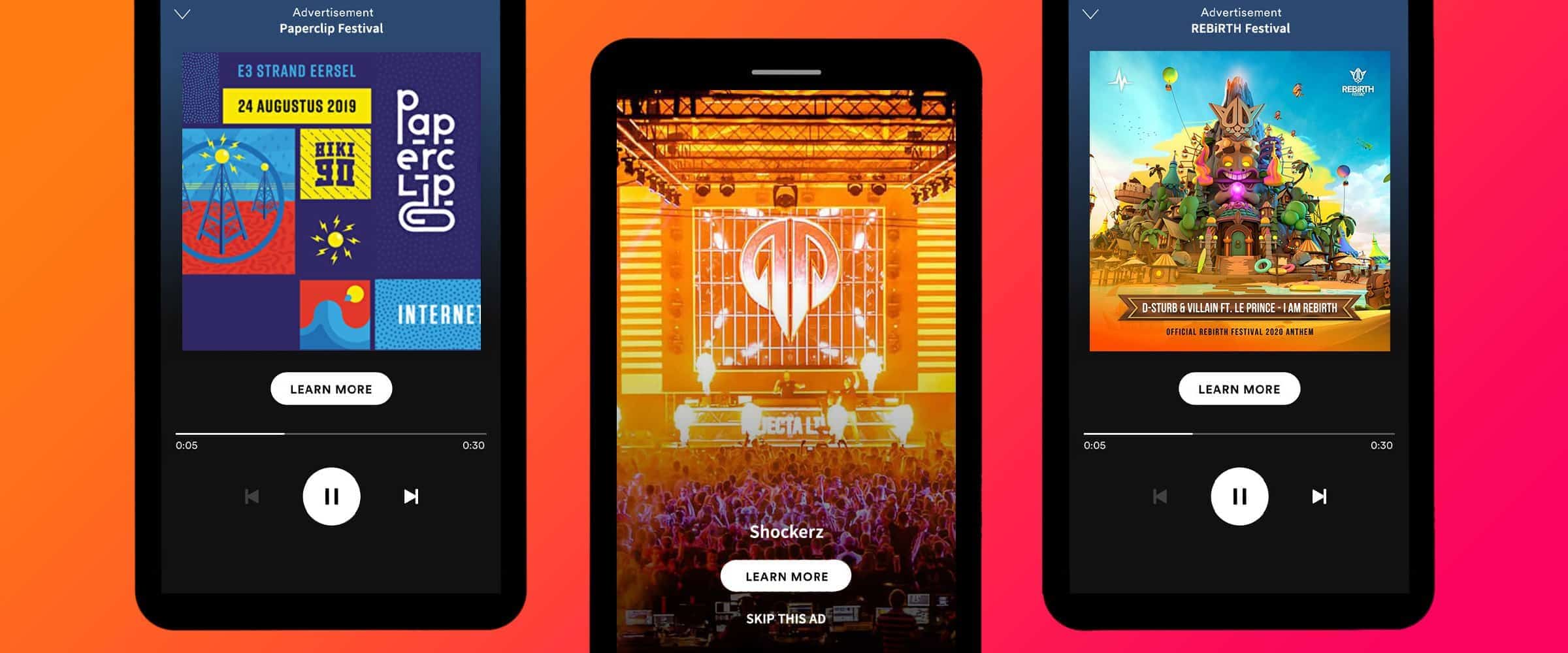
Real Example: How Spotify Automated Content Without Losing Soul
Their process—Ingest, Rank, Deploy, Learn, Repeat—shows how automation can drive efficiency without sacrificing creativity.
The key?
They automated the operational stuff (testing, optimization, distribution) while keeping humans in charge of creative strategy and brand alignment.
Result: Machine learning helped them fine-tune campaigns based on cost per registration in each market, making their spend more efficient and their creative work more impactful.
They didn't replace their creative team with algorithms.
They gave their creative team superhuman operational capabilities.
The Anatomy of a Content System That Actually Scales
1. Strategy That Lives in the Work, Not in Documents
Your content strategy shouldn't live in a Google Doc that nobody reads. It should be embedded in every brief, every creative direction, and every performance review.
This means:
Clear creative principles that guide decision-making in real-time
Target audience definitions that actually influence content choices
Success metrics that everyone understands and can act on
Brand voice guidelines that help speed up creation instead of slowing it down
2. Workflows That Eliminate Friction, Not Creativity
Instead of rigid approval chains, build workflows around:
Clear creative briefs that set direction upfront
Smart task routing based on skills and availability
Context-rich collaboration that keeps feedback actionable
Quality gates that catch problems early, not after publication
3. Creation Tools That Amplify Expertise
AI-powered content creation tools work best when paired with human expertise. The goal isn't to eliminate creative work—it's to eliminate the repetitive stuff that prevents creative work from happening.
Look for tools that:
Generate strong first drafts from strategic inputs
Adapt content across formats and channels automatically
Suggest optimizations based on performance data
Handle technical implementation while preserving creative vision
4. Analytics That Drive Decisions, Not Just Reports
Real-time performance data should change how you create, not just how you report.
Track metrics that actually influence creative decisions:
Engagement patterns that reveal what resonates with your audience
Content velocity metrics that show where bottlenecks actually occur
Creative performance data that helps optimize future briefs
Channel effectiveness insights that inform distribution strategy

The Studio Model vs. The Stack Model
Why Tool Collections Don't Scale Creativity
Most content teams are drowning in their own tech stack:
Project management platform for planning
Design tool for asset creation
Writing software for drafts
Review platform for feedback
Analytics dashboard for performance
Social scheduler for distribution
Asset library for organization
Spreadsheet for... everything else
Each tool switch kills momentum. Each handoff risks losing context. Each login is friction between good ideas and great execution.
The Creative Operating System Approach
The most effective content teams are moving toward unified creative environments—platforms that bring strategy, creation, collaboration, and optimization into a single, integrated workspace.
This isn't just about convenience. It's about flow state.
When everything lives in the same system, creative work can happen without interruption.
What this looks like in practice:
Strategy informs creation in real-time
Feedback happens in context, not in separate threads
Assets are automatically optimized for different channels
Performance data flows back into creative strategy
Team collaboration happens where the work lives
What This Means for Your Content Operation
The Framework: From Chaos to Clarity
Step 1: Audit the Friction Map every tool, handoff, and approval in your current process. Ask: Where does creative momentum die? Where do good ideas get lost in operational chaos?
Step 2: Centralize Context, Not Control Move your strategy, assets, and feedback into a unified workspace. The goal is shared understanding, not command-and-control management.
Step 3: Automate Operations, Amplify Creativity Use AI and automation for the mechanical stuff—research, drafting, optimization, distribution. Keep humans focused on creative strategy and brand building.
Step 4: Optimize for Learning, Not Just Output Build feedback loops that make your content strategy smarter over time. Every campaign should teach you something that improves the next one.
Your Content Scaling Readiness Check
Quick audit—how many of these sound familiar?
Creative work gets stuck in approval limbo
Asset handoffs involve multiple tools and file formats
Brand voice varies depending on who's writing
Performance insights arrive too late to influence current campaigns
Your best creatives spend more time managing tools than creating
Strategy lives in documents that nobody references during execution
Quality drops when production volume increases
If more than half ring true, your current system isn't just inefficient—it's actively undermining your creative potential.
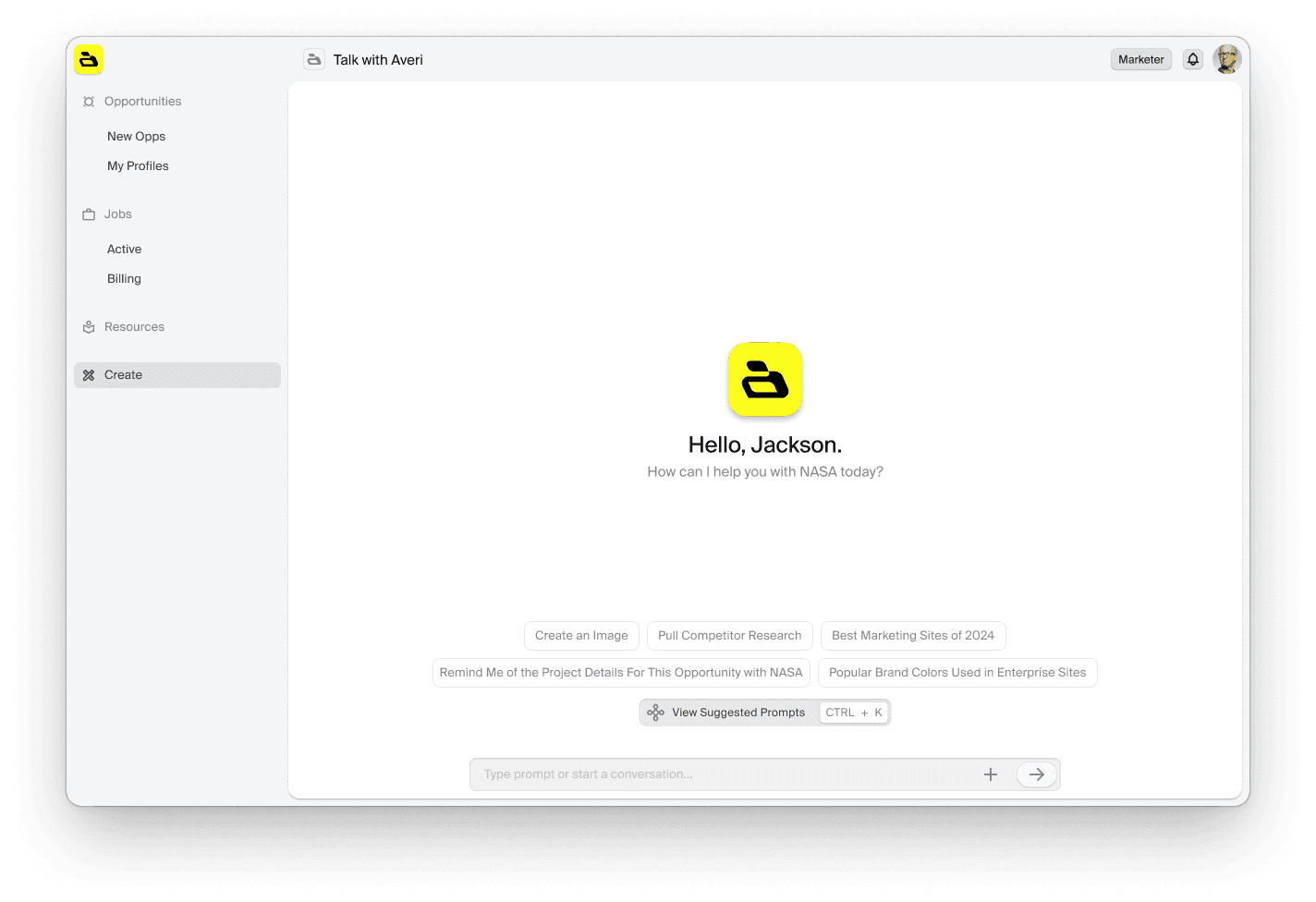
The Averi Approach: Creative Operating System for Modern Teams
Beyond Content Management: Creative Execution Platform
We didn't build Averi to be another content management system.
We built it because we were tired of watching brilliant creative teams get bogged down in operational chaos.
Tired of strategists spending their time in spreadsheets instead of developing breakthrough creative concepts.
Tired of world-class writers getting stuck in revision loops that dilute their best work.
Tired of creative directors managing tools instead of directing creativity.
Averi combines:
AI-powered creative strategy that generates brilliant briefs and campaign frameworks
Integrated creation workflows that keep creative work flowing without tool-switching friction
Expert human talent available on-demand when you need specific skills or capacity
Real-time optimization that makes your content strategy smarter with every campaign
What this means for your content operation:
Strategy flows seamlessly into execution
Creative quality improves as production speed increases
Your team focuses on creative problem-solving, not project management
Performance insights feed back into creative strategy in real-time
For Every Stage of Content Ambition
Whether you're a lean startup trying to punch above your weight or an enterprise team looking to move with startup speed, the principles are the same: eliminate friction, amplify expertise, optimize for creative flow.
Early-stage teams get access to senior creative strategy and execution without full-time overhead.
Growth-stage companies can scale their content without scaling their chaos.
Enterprise teams can move with creative agility without losing quality control.
The platform adapts to your creative needs, not the other way around.

The Future Is Already Here
Content Teams That Flow vs. Teams That Fight
The content teams that will dominate the next decade aren't the ones with the biggest budgets or the most sophisticated tool stacks.
They're the ones that figured out how to turn creative ideas into compelling content faster than their competition.
They're the ones that can iterate, learn, and improve in real-time without losing their creative edge.
They're the ones that use AI to amplify human creativity instead of replacing it.
As one agency leader put it: "You've got to get on board with AI. It's very much adapt or die." But the real winners are those who adapt without losing what makes their creative work distinctive.
Ready to Scale Your Creative Soul?
Stop treating content creation like manufacturing. Stop fighting your tools. Stop accepting operational chaos as the price of creative ambition.
Great content marketing should feel like making something meaningful, not managing something broken.
That's what creative flow feels like. That's what Averi enables.