The Marketing Automation Reality Check—7 Tools That Actually Work

9 minutes

TL;DR
🔍 Most marketing automation creates more problems than it solves—adding complexity instead of removing it
⚙️ The best tools remove friction from your marketing process instead of becoming another source of it
🧠 Strategy should drive automation, not the other way around—start with your customer journey, not your tech stack
🚀 Top platforms for 2025: HubSpot (all-in-one), Klaviyo (e-commerce), ActiveCampaign (workflows), Encharge (behavior-based), GetResponse (list management), Customer.io (customer journeys), and Averi AI (strategy & execution)
💡 Look beyond features to adoption—the best platform is the one your team will actually use

Zach Chmael
CMO, Averi
"We built Averi around the exact workflow we've used to scale our web traffic over 6000% in the last 6 months."
Your content should be working harder.
Averi's content engine builds Google entity authority, drives AI citations, and scales your visibility so you can get more customers.
The Marketing Automation Reality Check—7 Tools That Actually Work
"Just automate it" might be the most expensive advice in marketing.
Last week, I spoke with a CMO who had dropped $20,000 on a marketing automation platform.
Three months of sales calls. Two weeks of stakeholder meetings. A 44-slide deck promising transformation.
"This will change everything," the vendor promised.
Two months later? Three team members quit. The platform was 30% implemented. And that CMO was updating their LinkedIn profile.
This isn't an isolated incident.
It's marketing automation's dirty secret: 72% of implementations fail to deliver expected ROI.
Not because the technology doesn't work, but because we've fundamentally misunderstood what automation is supposed to solve.
Automation doesn't fix broken strategy. It amplifies it.
Automation doesn't simplify complexity. It codifies it.
Automation doesn't replace thinking. It demands clearer thinking than ever before.
So let's have an honest conversation about marketing automation tools—which ones actually deliver value, what problems they genuinely solve, and why most teams end up with digital graveyards of expensive software they barely use.
No vendor talking points. No feature checklists.
Just the unvarnished truth about seven platforms that might actually be worth your time and budget—if you approach them with eyes wide open.
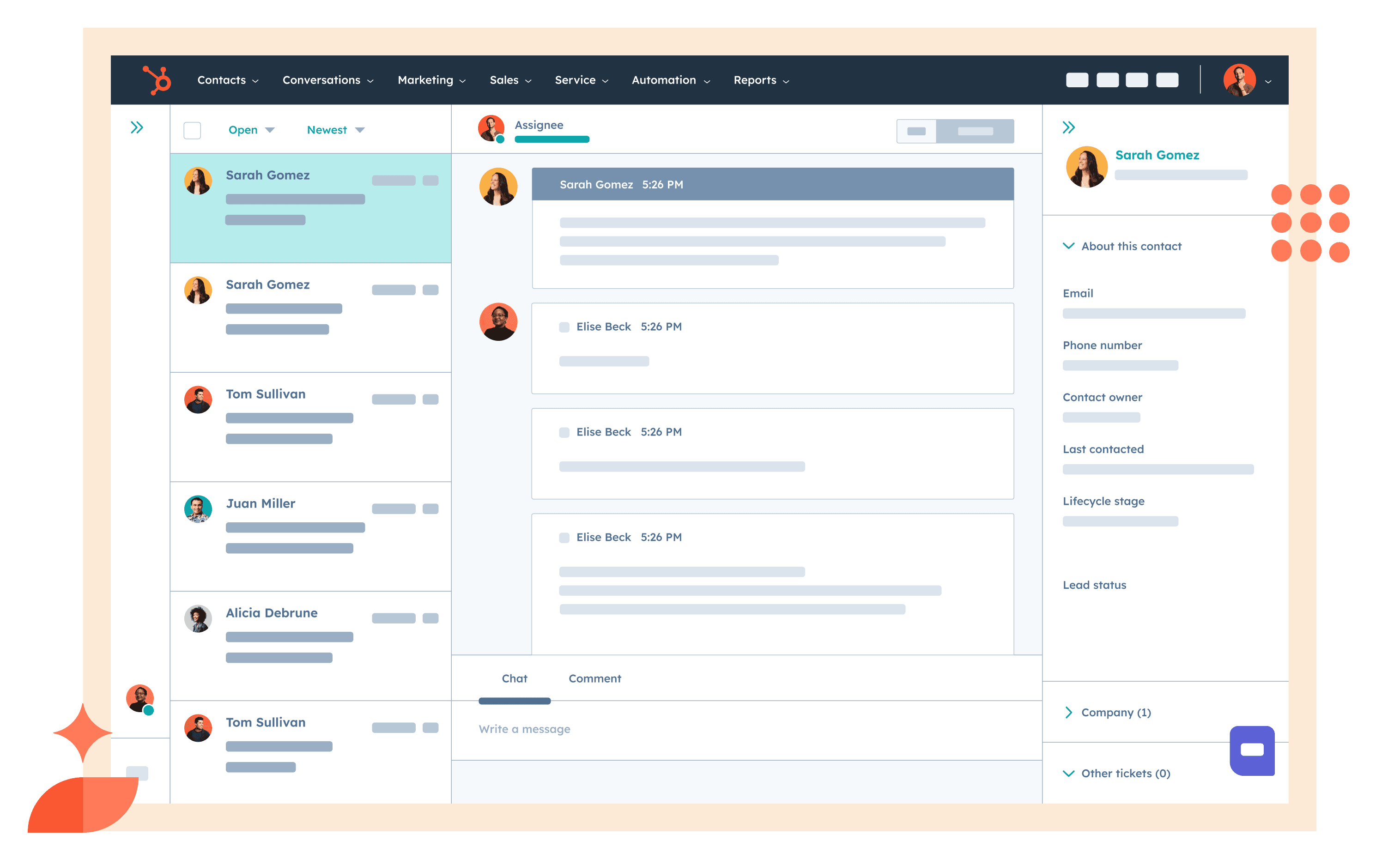
1. HubSpot: The "All-in-One" That Actually Delivers
HubSpot continues to dominate the marketing automation landscape in 2025, particularly for small to medium-sized businesses looking for comprehensive solutions [1].
But unlike most "all-in-one" platforms that do many things poorly, HubSpot manages to do most things well.
What makes it actually useful:
Unified data model that connects marketing, sales, and service without the integration headaches
Automation that thinks in customers, not campaigns — behavior-triggered sequences that feel like conversations, not blasts
Analytics that tell you why things work, not just if they worked — real-time performance tracking that drives decisions
Content tools people will actually use — no more "we'll just use Google Docs instead" workarounds
HubSpot's real value isn't its feature list—it's how it removes the friction between marketing functions.
Instead of your team wasting 30% of their day switching between platforms and reconciling conflicting data, they can focus on creating campaigns that actually drive results.
Best for: Companies ready to consolidate their tech stack who don't need specialized capabilities in any single channel.
2. Klaviyo: E-commerce Automation That Actually Makes Money
For e-commerce brands, Klaviyo has emerged as the go-to automation platform that drives remarkable results through personalized customer journeys [2][1].
Why it actually works:
Customer behavior modeling that turns browsing data into buying triggers
Segmentation that makes sense — differentiate between first-time browsers, loyal customers, and everyone in between
Revenue attribution that tells you exactly which emails drive sales, not just opens
Post-purchase sequences that convert one-time buyers into lifetime customers
What sets Klaviyo apart isn't its email templates or campaign features—it's how it turns complex customer data into actionable marketing opportunities without requiring your team to have data science degrees.
Best for: E-commerce brands who care about creating customer relationships, not just transactions.
3. ActiveCampaign: The Workflow Automation That Actually Adapts
ActiveCampaign has carved out a reputation as the tool for marketers who need sophisticated automation workflows combined with CRM functionality [3].
Where it shines:
Visual automation builder that makes complex workflows manageable
Conditional logic that creates truly personalized customer experiences
Site tracking that connects online behavior to email campaigns seamlessly
Split testing within automation sequences — optimize as you go, not after the fact
ActiveCampaign's strength is turning marketing processes that would typically require constant manual oversight into autonomous systems that run in the background. This lets your team focus on strategy and creative work instead of becoming glorified button-pushers.
Best for: B2B companies with longer sales cycles and multiple touchpoints who need marketing and sales alignment.
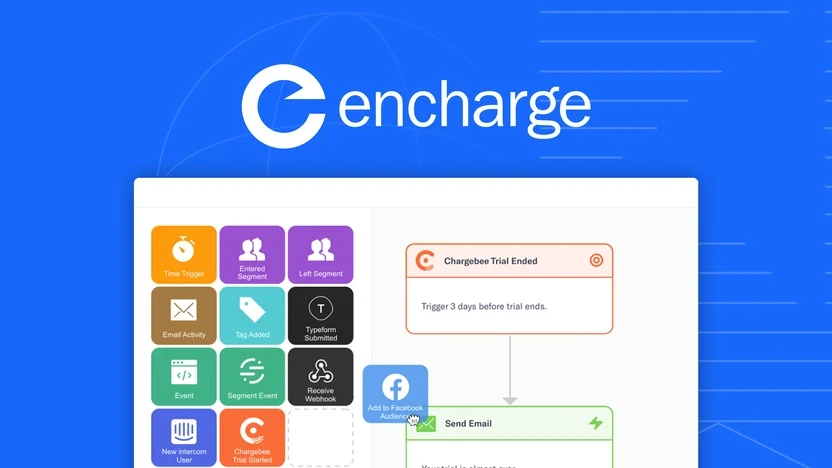
4. Encharge: Behavior-Based Email That Actually Feels Personal
While originally designed for B2B SaaS companies, Encharge has evolved into a versatile solution for businesses that need behavior-triggered email automation without overwhelming complexity.
What makes it valuable:
Real-time behavioral triggers that respond to user actions immediately, not the next day
Cross-platform tracking that breaks down silos between your website, product, and marketing
Visual journey mapping that helps you think in experiences, not campaigns
Multi-channel activation without needing enterprise budgets or implementation timelines
For teams looking to scale personalized communication without scaling their headcount, Encharge offers a refreshing balance of power and usability.
Best for: Product-led companies where user engagement directly influences conversion and retention.
5. GetResponse: List Management That Actually Improves Over Time
GetResponse stands out in 2025 as a fully-featured marketing automation tool with particularly strong capabilities in list management automation [4].
Why it matters:
Automated list hygiene that keeps your deliverability high and spam complaints low
Progressive profiling that builds customer knowledge over time, not all at once
Conversion funnels that guide prospects through logical next steps
Webinar integration for businesses that use education as a marketing channel
GetResponse's focus on list quality isn't the sexiest feature to showcase, but it directly translates to better campaign performance without the constant manual maintenance most platforms require.
Best for: Marketing teams struggling with data management or companies with education-driven marketing strategies.
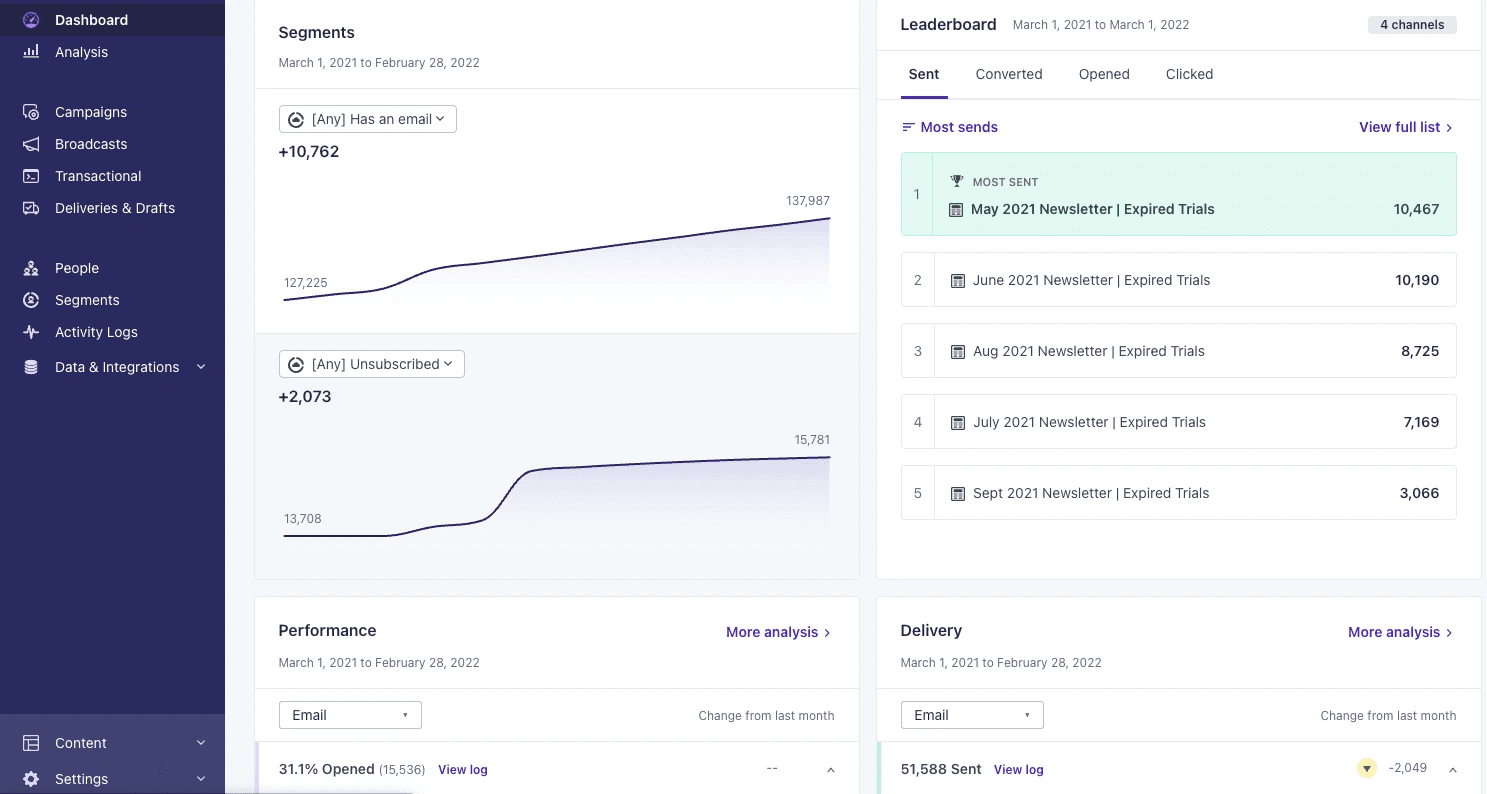
6. Customer.io: Journey Automation That Actually Thinks Holistically
Customer.io has established itself as a powerful tool for creating automated customer journeys that feel personal and timely across multiple channels [1].
Its unique approach:
Multi-channel orchestration across email, SMS, and push notifications
Segment-triggered campaigns based on both customer attributes and behaviors
Complex branching logic without requiring your team to learn coding
A/B testing at the journey level, not just the message level
Customer.io helps marketing teams scale their efforts by automating the right message at the right time across multiple channels, creating cohesive experiences that would be impossible to manage manually.
Best for: Subscription-based businesses and companies focused on customer retention, not just acquisition.
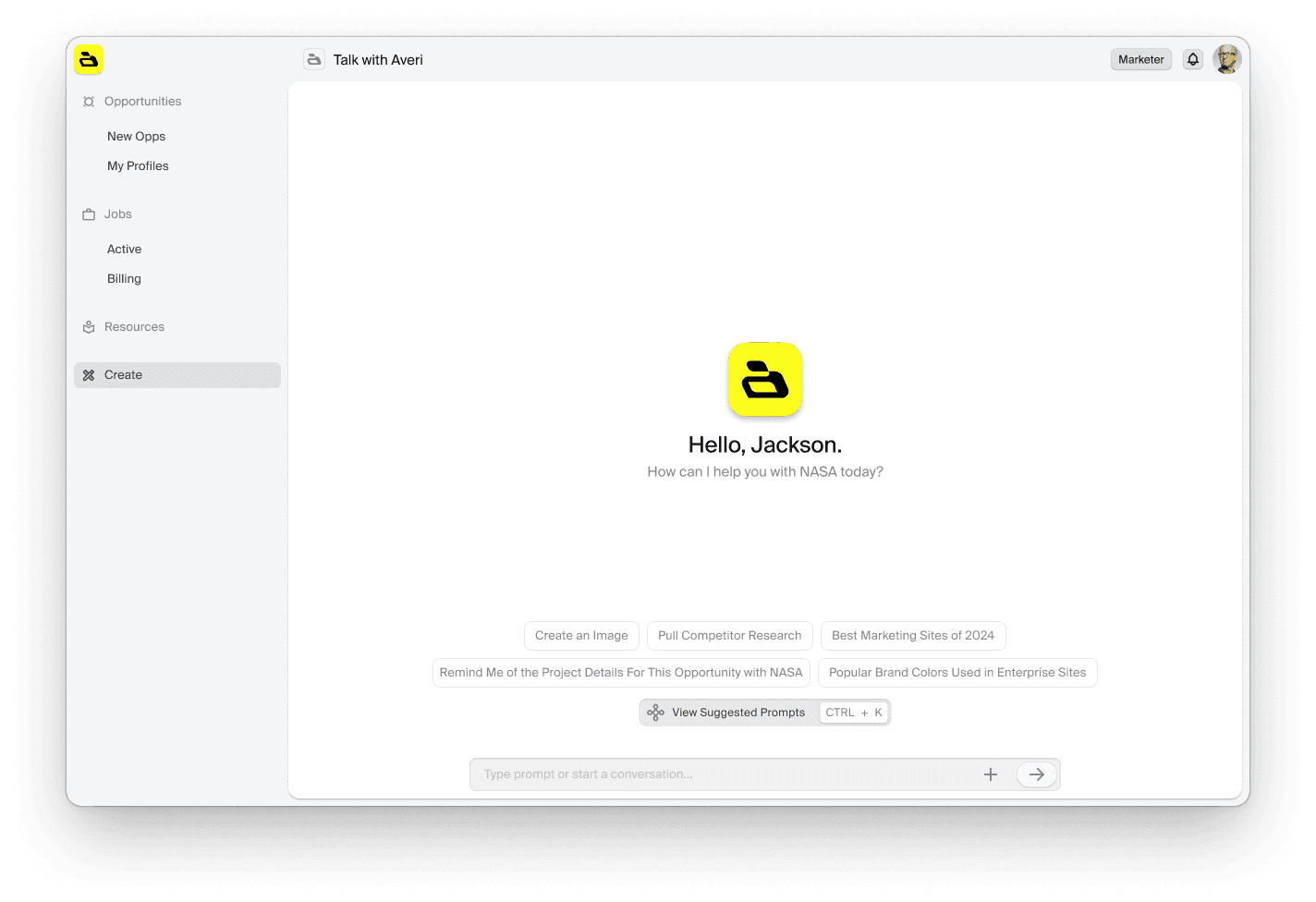
7. Averi AI: The Automation Platform That Actually Puts Strategy First
While every other platform on this list automates campaign execution, Averi AI takes a fundamentally different approach by starting further upstream—automating the strategy and creative development that happens before you hit send.
What makes Averi revolutionary:
AI-powered strategy development that creates campaign frameworks in minutes, not weeks
Creative execution system that maintains brand voice while scaling content production
Expert network integration that brings human specialists into your workflow when needed
Unified workspace that eliminates the marketing execution chaos of disconnected tools
Averi doesn't just help you send messages faster—it helps you create better marketing from the strategy stage through to execution.
This means your team spends less time managing tools and more time driving results that actually matter to your business.
Best for: Marketing teams tired of being bottlenecked by slow execution, fragmented workflows, and the growing chaos of managing multiple tools and agencies.
How to Actually Choose the Right Marketing Automation Tool
The best automation platform isn't the one with the longest feature list—it's the one that solves your specific marketing challenges and gets embraced by your team.
Here's how to make that decision:
Match Tools to Your Marketing Maturity
Stage | Primary Focus | What to Look For |
|---|---|---|
Early | Lead generation & nurturing | User-friendly interface, affordable pricing, basic automation capabilities |
Growth | Customer journey orchestration | Integration capabilities, behavioral triggers, multi-channel options |
Scale | Personalization & optimization | AI capabilities, advanced analytics, workflow customization, enterprise security |
Ask These Questions Before Choosing
Will your team actually use it? The most powerful platform is useless if adoption is low.
Does it integrate with your existing stack? Or will you spend the next six months in integration hell?
Is it solving your actual bottlenecks? Most teams automate what's easy, not what's impactful.
What happens when things break? Because they will. How responsive is their support?
What's the true cost? Factor in implementation, training, and ongoing management—not just the subscription.
The Marketing Automation Strategy That Actually Works
Implementing automation tools is just the first step.
Here's how to ensure they deliver real value:
1. Start with the journey, not the technology
Document your actual customer journey—not the idealized version. Identify the specific touchpoints where automation adds genuine value. This ensures your automation serves your marketing goals rather than creating busy work disguised as productivity.
2. Prioritize adoption over features
The most sophisticated automation platform is worthless if your team reverts to manual workarounds. Choose systems that balance power with usability, and invest in proper training rather than just technical implementation.
3. Test, measure, and continuously optimize
Automation isn't a "set it and forget it" solution. Establish regular review cycles to analyze performance and identify opportunities for improvement. Small optimizations compound into significant results over time.
4. Preserve the human element
The best automation enhances human creativity rather than replacing it. Use automation to handle repetitive tasks, scale personalization, and streamline workflows—but keep humans involved in strategy, creative development, and relationship building.
The Automation Future That's Already Here
While most marketing teams are still struggling with basic workflow automation, the next generation of tools is already emerging:
AI-powered creative development that generates assets based on performance data
Predictive customer journeys that anticipate needs before they're expressed
Autonomous optimization that continuously improves campaigns without manual intervention
Privacy-first personalization that balances relevance with data protection
For marketing teams looking to stay ahead, the challenge isn't just implementing today's automation—it's building the capability to rapidly adopt tomorrow's innovations.
The Bottom Line: Automation Should Make Marketing Better, Not Just Faster
The real test of marketing automation isn't efficiency—it's effectiveness.
The right automation tools transform how your team operates, allowing you to scale your marketing efforts without proportionally scaling your headcount or working hours. But more importantly, they should improve the quality of your marketing, not just the quantity.
Look for tools that enhance rather than replace human creativity—automation that handles the repetitive tasks while empowering your team to do their best work. Because at the end of the day, automation is meant to serve your marketing strategy, not become it.
And if you're tired of stitching together disconnected automation tools, consider platforms like Averi AI that take a more holistic approach to marketing execution—starting with strategy and carrying through to final delivery.
Because the future of marketing isn't just about sending more messages.
It's about sending better ones.