

TL;DR
🎭 Experience over advertising creates lasting impact: 73% prefer brands creating memorable experiences, yet only 23% of campaigns are designed with experience as primary objective
🧠 Psychology drives memorable design: Multi-sensory experiences show 65% better recall, emotionally charged moments achieve 37% better memory retention than neutral interactions
📖 Narrative architecture creates engagement: Campaigns with strong story structure achieve 300% higher engagement through progressive revelation and participant agency integration
🌐 Community amplifies individual experience: User-generated content from experiential campaigns generates 6.9x more engagement and 70% greater reach through social sharing optimization
🛠 No-code tools democratize experience creation: Technology platforms enable sophisticated interactive experiences without extensive technical resources or development budgets
📊 Strategic measurement connects experience to business: Experience-specific analytics track engagement depth, emotional impact, and long-term customer relationship development beyond traditional marketing metrics

Zach Chmael
CMO, Averi
"We built Averi around the exact workflow we've used to scale our web traffic over 6000% in the last 6 months."
Your content should be working harder.
Averi's content engine builds Google entity authority, drives AI citations, and scales your visibility so you can get more customers.
Designing Campaigns That Feel Like Experiences
Most marketing campaigns are forgettable because they're designed to be forgotten.
They show up, make noise, ask for attention, and then disappear into the endless scroll of content that defines modern life.
But every once in a while, something breaks through.
Something that doesn't just capture attention… it creates a moment.
A feeling. A memory that people carry with them and share with others.
73% of consumers say they're more likely to purchase from brands that create memorable experiences, yet only 23% of marketing campaigns are designed with experience as the primary objective.
The disconnect is staggering, and it represents one of the biggest opportunities in modern marketing.
The brands that understand this (Nike with their House of Innovation concept stores, Spotify with their Wrapped campaign that turns data into personal narratives, Airbnb with their Belong Anywhere experiences) aren't just creating campaigns.
They're designing experiences that people want to be part of.
Most marketers think experience design is about bigger budgets, fancier technology, or more elaborate production. But the most powerful marketing experiences are rooted in human psychology, emotional resonance, and the fundamental human need for connection and meaning.
Great experiential marketing isn't about what you can afford to build. It's about what you understand about why people care.

The Psychology Of Memorable Marketing Experiences
Understanding why some campaigns stick while others fade requires diving into the cognitive and emotional mechanisms that create lasting memory formation.
The brands that master experiential marketing aren't just creating content—they're engineering psychological moments that align with how human memory and emotion actually work.
Memory Formation: Why We Remember What We Remember
Neuroscience research reveals that memorable experiences share specific characteristics that align with how our brains encode and retain information.
Events that engage multiple senses are 65% more likely to be remembered than single-sensory experiences, and emotionally charged moments show 37% better recall than neutral interactions.
The neuroscience of marketing memory:
Multi-sensory encoding creates stronger memory pathways:
Visual elements that surprise, delight, or challenge expectations
Audio experiences that complement and enhance rather than compete with visual information
Tactile interactions that create physical connection to brand concepts
Spatial experiences that make people feel like they're somewhere specific and intentional
Social dynamics that create shared moments and collective memory formation
Emotional intensity amplifies memory consolidation:
Peak moments that represent the highest emotional point of the experience
Surprise and delight that violates expectations in positive ways
Personal relevance that connects to individual identity, values, or aspirations
Social validation that makes people feel seen, understood, or part of something larger
Narrative coherence that gives the experience meaning and context within a larger story
The Peak-End Rule demonstrates that people judge experiences largely based on how they felt at the most intense point and how the experience ended—not the duration or even the overall quality.
This principle revolutionizes how we think about campaign design.
Emotional Architecture: Building Feelings Into Campaigns
The most successful experiential campaigns aren't accidentally emotional—they're systematically designed to create specific feelings at predetermined moments.
Brands that intentionally design for emotion see 23% higher profit margins and maintain 73% better customer retention than those focusing purely on functional benefits.
Strategic emotional design framework:
Anticipation and curiosity generation:
Mystery elements that create intrigue without frustration
Progressive revelation that rewards engagement with deeper access or understanding
Exclusive access that makes participation feel special and intentional
Countdown mechanics that create urgency without pressure
Community speculation that encourages shared anticipation and discussion
Peak experience orchestration:
Moment of revelation where the central concept or surprise is unveiled
Personal connection where participants see themselves reflected in the experience
Collective participation that creates shared energy and mutual validation
Achievement or mastery that gives people a sense of accomplishment or learning
Unexpected delight that exceeds expectations in memorable ways
Resolution and lasting connection:
Meaningful conclusion that provides closure while opening future possibilities
Shareable artifacts that extend the experience beyond the immediate moment
Community integration that connects participants with each other and ongoing brand relationship
Personal transformation where people feel different—smarter, more connected, more inspired—after participating
Call to continued engagement that makes the experience a beginning rather than an end
The Social Amplification Effect
Modern experiential marketing succeeds or fails based on its social dynamics.
User-generated content from experiential campaigns generates 6.9x more engagement than brand-created content, and campaigns designed for social sharing achieve 70% greater reach than those optimized purely for individual experience.
Social experience design principles:
Collective participation mechanics:
Shared goals that require coordination and collaboration
Group challenges that create camaraderie and mutual investment
Collective creation where participants contribute to something larger than themselves
Social recognition that celebrates individual contributions within group context
Community identity that makes participants feel part of an ongoing movement or culture
Social sharing optimization:
Instagram-worthy moments designed specifically for visual social media sharing
Story-worthy experiences that people naturally want to tell others about
Social proof integration that shows others are participating and enjoying the experience
Viral mechanics that reward sharing and encourage organic spread
Community hashtags that create ongoing conversation and discoverability
The Experience Design Blueprint
Creating campaigns that feel like experiences requires systematic approaches that balance emotional resonance with practical execution.
The most successful experiential campaigns follow predictable patterns that can be adapted across industries, budgets, and objectives.
Phase 1: Experience Strategy And Concept Development
Before designing touchpoints or creative elements, successful experience campaigns establish clear strategic foundations that guide every subsequent decision.
Core concept crystallization:
Central emotional truth: What specific feeling do you want people to have during and after the experience?
Behavioral objective: What do you want people to do differently as a result of this experience?
Memory anchor: What specific moment or element do you want people to remember and share?
Community connection: How does this experience create or strengthen relationships between participants?
Brand integration: How does the experience authentically demonstrate your company's values and unique positioning?
Audience experience mapping:
Entry point optimization: How do people discover and decide to participate in the experience?
Engagement progression: What's the ideal journey from initial awareness to deepest participation?
Emotional arc design: How do feelings change throughout the experience, and where are the peak moments?
Social interaction points: When and how do participants connect with each other during the experience?
Exit strategy: How does the experience conclude in a way that creates lasting connection and future engagement?
Successful experiential campaigns spend 40% of development time on strategic foundation before moving to creative execution, ensuring that every element serves the core experience objectives.
Phase 2: Narrative Architecture Development
Every memorable experience tells a story—not through exposition, but through carefully orchestrated moments that reveal meaning progressively.
Campaigns with strong narrative structure achieve 300% higher engagement than those focused purely on features or benefits.
Narrative framework construction:
Story foundation:
Central conflict or challenge: What problem, mystery, or opportunity drives the narrative forward?
Character development: How do participants become protagonists in their own experience story?
World building: What specific environment, culture, or reality does the experience create?
Stakes establishment: Why does participation matter, and what happens if people don't engage?
Resolution promise: What transformation or achievement awaits participants who complete the experience?
Progressive revelation design:
Hook establishment: The initial moment that captures attention and creates investment in the narrative
Complication introduction: Challenges or mysteries that deepen engagement and require active participation
Discovery moments: Points where participants uncover information, achieve insight, or unlock new capabilities
Climax orchestration: The peak emotional moment where the central narrative tension resolves
Denouement and transformation: How participants understand their new relationship with your brand and community
Participant agency integration:
Choice mechanics: Meaningful decisions that allow participants to influence their experience
Personalization opportunities: Ways the narrative adapts to individual participant characteristics or preferences
Mastery progression: Skills or knowledge that participants develop through engagement
Social influence: How participant choices affect other people's experiences
Legacy creation: Ways participant contributions become part of ongoing narrative for future participants
Phase 3: Sensory And Emotional Touchpoint Design
Great experiential campaigns orchestrate multiple sensory inputs to create cohesive, immersive environments that feel intentional and emotionally resonant.
Multi-sensory experience orchestration:
Visual environment design:
Color psychology: Strategic use of colors that create desired emotional responses and brand association
Lighting design: Dynamic lighting that guides attention and creates emotional atmosphere
Spatial composition: Physical or digital environments that feel intentional and support narrative objectives
Typography and graphic elements: Visual communication that enhances rather than competes with experiential elements
Movement and animation: Dynamic visual elements that create energy and guide participant flow
Audio landscape creation:
Ambient soundscapes: Background audio that creates emotional atmosphere without demanding attention
Musical scoring: Strategic use of music to heighten emotional moments and create memory anchors
Sound effects: Audio cues that provide feedback, create surprise, or enhance interactive elements
Voice and narration: Strategic use of human voices to create connection and guide experience progression
Silence and space: Intentional audio breaks that create tension, reflection, or anticipation
Interactive and tactile elements:
Physical interaction design: Touchable elements that create connection between digital and physical reality
Gesture and movement: Ways participants use their bodies to engage with and influence the experience
Haptic feedback: Tactile responses that confirm actions and create physical memory associations
Temperature and texture: Environmental elements that create comfort, surprise, or emotional response
Scent and taste: Strategic sensory elements that create powerful memory associations (when appropriate)
Case Study: Deconstructing Breakthrough Experience Campaigns
Learning from campaigns that successfully created lasting cultural impact reveals consistent patterns in experience design that transcend industry and budget constraints.
Case Study 1: Spotify Wrapped - Data As Personal Narrative
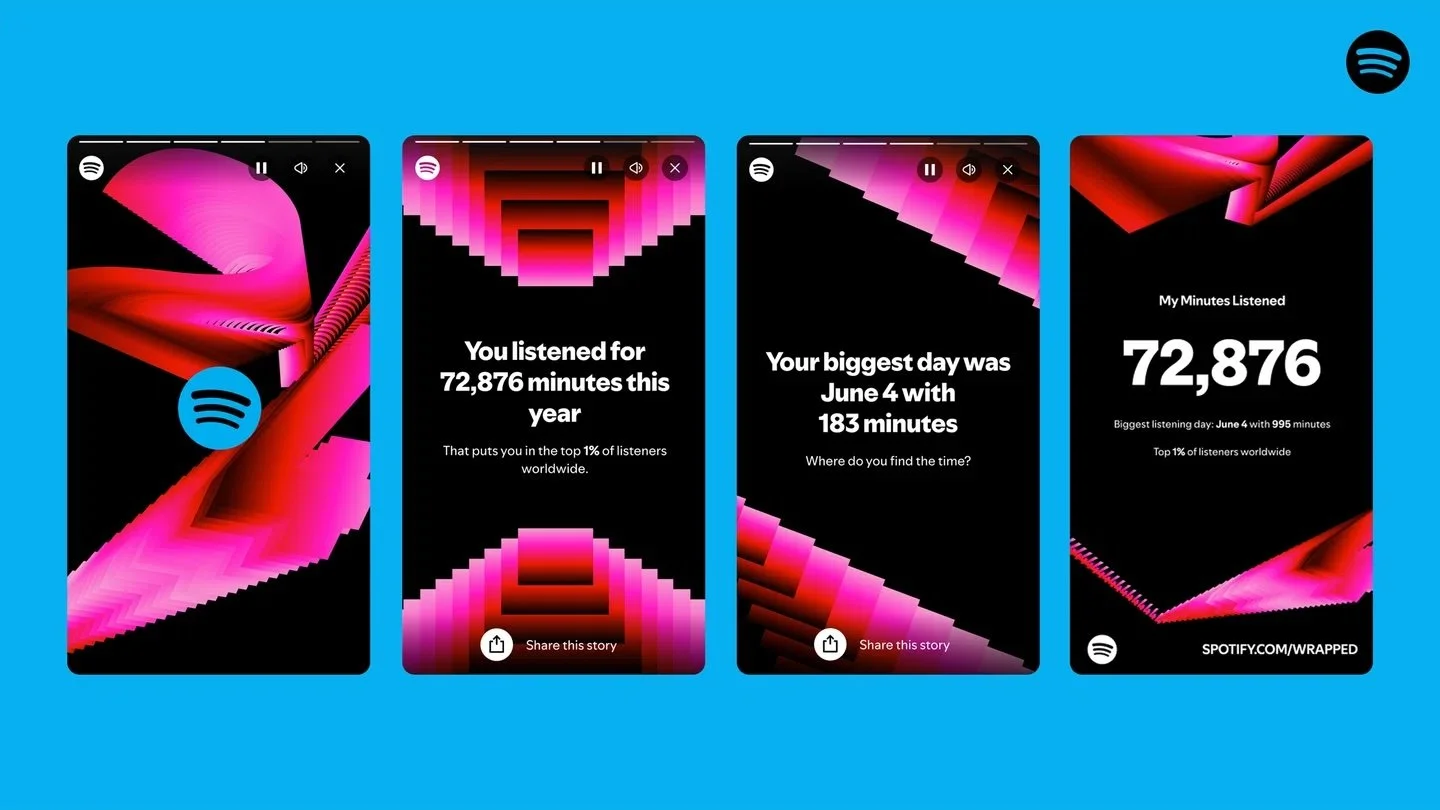
Spotify Wrapped transforms mundane listening data into compelling personal narratives that people eagerly anticipate and share. The 2023 campaign generated 425 million social media engagements and drove 23% increase in app engagement during launch month.
Experience design elements that create impact:
Personal narrative creation:
Data storytelling: Individual listening habits transformed into personality insights and identity validation
Year-in-review structure: Nostalgic reflection that connects music to personal memories and growth
Comparative context: Social benchmarking that shows how individual taste relates to global trends
Future prediction: AI-generated insights about evolving musical preferences that create anticipation
Achievement gamification: Listening milestones that make routine behavior feel like accomplishment
Social sharing optimization:
Instagram Story format: Visual templates perfectly designed for social media sharing
Personalization at scale: Millions of unique, individualized experiences that feel custom-created
Cultural moment timing: Annual release creates shared social experience and collective conversation
FOMO mechanics: Limited-time availability that creates urgency and social proof
Community identity: Music taste as social signaling and community membership demonstration
Brand integration authenticity:
Data value demonstration: Shows customers the insights Spotify generates from their engagement
Platform stickiness: Reminds users of their investment in the Spotify ecosystem
Competitive differentiation: Unique capability that other music platforms can't easily replicate
Artist relationship: Celebrates musicians while reinforcing Spotify's role as cultural curator
Premium upselling: Subtle encouragement of deeper platform engagement and subscription upgrades
Case Study 2: Nike House Of Innovation - Retail As Experience Theater
Nike's House of Innovation concept stores reimagine retail as interactive brand experiences rather than transactional product displays. Stores achieve 30% higher sales per square foot and 67% longer customer dwell times compared to traditional retail formats.
Immersive retail experience architecture:
Technology integration:
Nike App connectivity: Seamless digital-physical integration that personalizes in-store experience
Augmented reality trials: Virtual try-on experiences that reduce friction while adding engagement
Real-time customization: On-demand product personalization that creates ownership before purchase
Social media integration: Instagram-worthy installations that encourage organic social sharing
Data collection: Experience participation that provides customer insights for future personalization
Community and culture celebration:
Local athlete partnerships: Regional sports heroes that create authentic community connection
Event programming: Regular workshops, classes, and community gatherings that drive repeat engagement
Cultural storytelling: Displays that connect products to broader athletic and fashion culture
Exclusive access: Member-only products and experiences that reward brand loyalty
Social spaces: Areas designed for community gathering and conversation rather than just shopping
Sensory environment design:
Dynamic visual displays: Constantly changing digital installations that create fresh experiences for repeat visitors
Athletic soundscapes: Audio environments that create energy and motivation
Interactive product testing: Try-before-you-buy experiences that demonstrate product performance
Spatial design: Flow and layout that encourages exploration and discovery
Tactile product interaction: Hands-on experiences that create physical connection to merchandise
Case Study 3: Airbnb Experiences - Community-Driven Experience Curation
Airbnb Experiences transforms local knowledge into monetized cultural experiences, creating $1.3 billion in host earnings while providing travelers with authentic local connections.
Community-powered experience ecosystem:
Local authenticity emphasis:
Host storytelling: Personal narratives from local residents that create emotional connection and trust
Cultural immersion: Experiences that provide insider access to local communities and traditions
Skill sharing: Learning opportunities that create personal growth and memory formation
Social connection: Group experiences that connect travelers with each other and local communities
Unique access: Opportunities that aren't available through traditional tourism channels
Quality and consistency standards:
Host vetting process: Systematic evaluation of experience quality and host capability
Customer feedback integration: Reviews and ratings that maintain quality while building social proof
Photography standards: Professional-quality images that set appropriate expectations and create desire
Safety protocols: Clear guidelines that enable trust while maintaining authenticity
Cancellation policies: Flexibility that encourages booking while protecting both hosts and guests
Platform experience optimization:
Discovery algorithms: Personalized recommendations based on travel history and preferences
Booking friction reduction: Streamlined reservation process that reduces abandonment
Pre-experience communication: Host-guest interaction that builds anticipation and sets expectations
Post-experience follow-up: Reviews and recommendations that extend engagement beyond the immediate experience
Loyalty integration: Connections between experiences and broader Airbnb ecosystem usage

Interactive Microsites: Digital Experiences That Engage
Interactive microsites represent one of the most accessible and scalable approaches to experiential marketing, enabling companies with modest budgets to create memorable digital experiences.
The Psychology Of Digital Engagement
Web users form first impressions within 50 milliseconds, and interactive content generates 2x more conversions than static experiences. But successful interactive microsites require understanding how digital engagement differs from physical experience design.
Digital experience unique considerations:
Attention span optimization:
Progressive disclosure: Revealing complexity gradually to avoid overwhelming initial visitors
Micro-interactions: Small animations and responses that create satisfaction and encourage continued engagement
Loading time psychology: Managing perceived wait time through animation, progress indicators, and expectation setting
Mobile-first design: Touch-optimized interactions that work seamlessly across devices
Accessibility integration: Universal design that ensures broad participation regardless of technical capability
Narrative pacing control:
User-directed discovery: Allowing participants to control their pace while maintaining narrative momentum
Multiple entry points: Different ways to engage based on visitor motivation, time availability, and interest level
Bookmark and return functionality: Enabling users to pause and resume complex experiences
Social sharing integration: Strategic moments when sharing feels natural and valuable
Completion incentives: Clear progress indicators and rewards that encourage full experience participation
Microsite Experience Architecture
Successful interactive microsites balance sophisticated technology with intuitive user experience, creating digital environments that feel intentional rather than gimmicky.
Technical foundation for seamless experience:
Performance optimization:
Fast loading times: Sub-2-second load times that prevent abandonment before engagement begins
Progressive enhancement: Core experience available to all users with enhanced features for capable devices
Cross-browser compatibility: Consistent experience regardless of technical platform
Responsive design: Seamless adaptation to different screen sizes and interaction methods
Offline functionality: Strategic elements that work without internet connection when appropriate
Interaction design principles:
Intuitive navigation: Movement and control systems that feel natural without instruction
Clear feedback systems: Immediate response to user actions that confirm engagement and guide next steps
Error prevention: Design that makes mistakes unlikely while handling errors gracefully when they occur
Accessibility compliance: WCAG guidelines that ensure broad participation regardless of ability
Performance monitoring: Analytics that track not just engagement but experience quality and technical issues
Content strategy for digital narratives:
Story structure adaptation:
Non-linear storytelling: Multiple paths through the experience that maintain narrative coherence
Interactive dialogue: User choices that influence content and create personalized narrative experience
Media integration: Strategic use of video, audio, animation, and static content for optimal impact
User-generated elements: Opportunities for participants to contribute to and influence the experience
Social integration: Community features that connect individual participants to broader experience ecosystem
Live Events: Creating Shared Moments At Scale
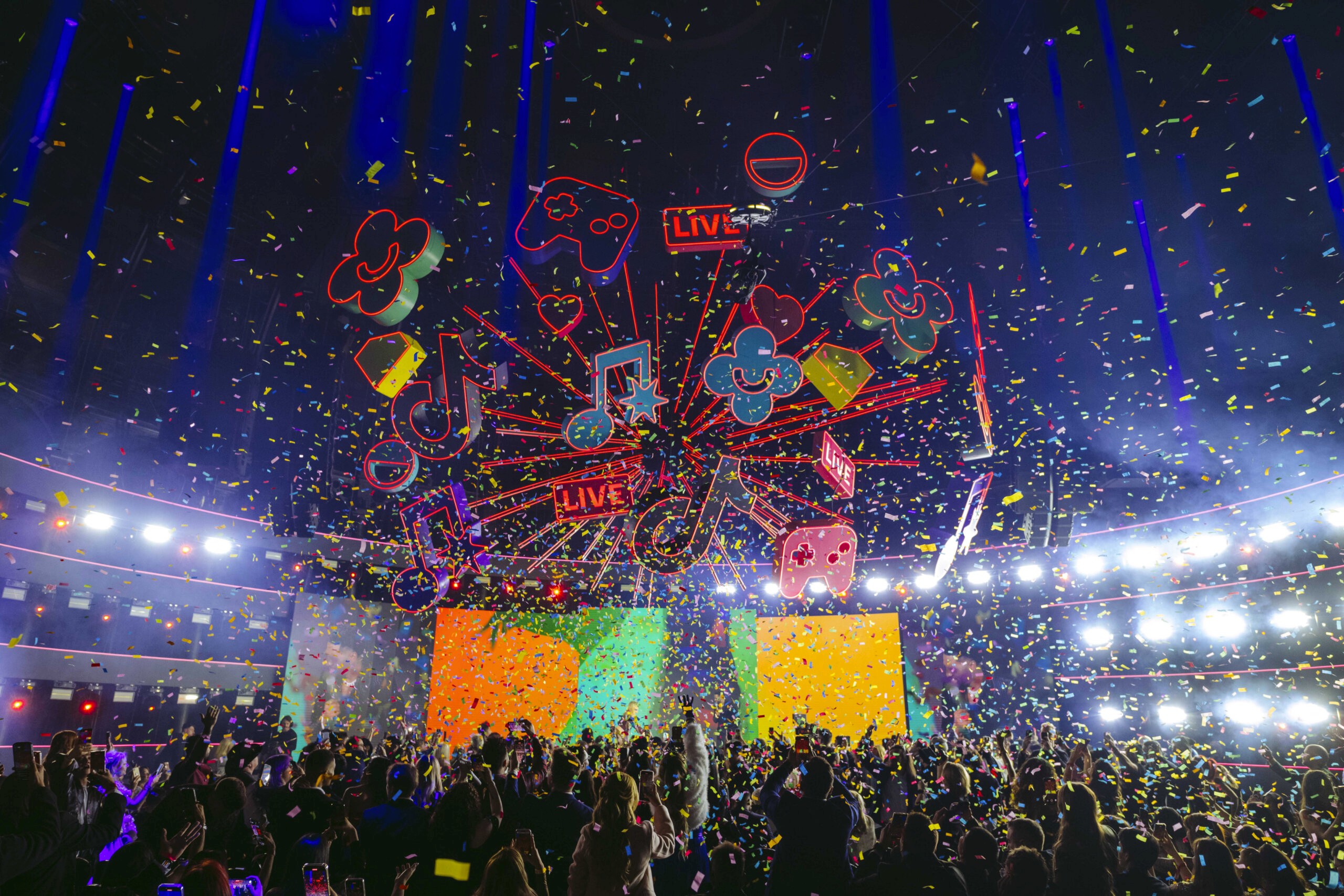
Live events remain the most powerful form of experiential marketing because they create irreplaceable shared moments and community connection.
87% of consumers say live events create stronger brand connections than digital marketing, and event marketing generates $1.80 ROI for every dollar invested.
Community Participation Design
The most successful live events don't just gather audiences—they create communities through shared experience and mutual participation.
Community activation strategies:
Pre-event community building:
Exclusive access tiers: Different levels of involvement that reward early commitment and deeper engagement
Collaborative planning: Community input on event elements that creates ownership and investment
Skill sharing networks: Connections between participants based on expertise and mutual learning opportunities
Social media activation: Hashtags and digital spaces that create anticipation and enable community conversation
Local ambassador programs: Community leaders who drive regional engagement and provide grassroots authenticity
During-event community experience:
Shared challenges: Group activities that require coordination and create mutual dependence
Interactive installations: Physical or digital elements that respond to community participation
Collaborative creation: Art projects, content creation, or problem-solving that produces community artifacts
Social recognition: Public acknowledgment of individual contributions within community context
Network facilitation: Structured opportunities for meaningful connections between participants
Post-event community maintenance:
Digital community platforms: Ongoing spaces for continued connection and collaboration
User-generated content celebration: Sharing and promoting participant-created content from the event
Alumni networks: Exclusive access and privileges for past event participants
Local chapter development: Regional communities that maintain connection between large-scale events
Feedback integration: Community input that influences future event development and demonstrates ongoing value
Sensory Environment Orchestration
Live events enable complete sensory control, creating opportunities for immersive environments that digital experiences cannot replicate.
Multi-sensory event design:
Spatial experience architecture:
Flow and movement: Physical layouts that guide participant movement while enabling discovery and choice
Intimate and communal spaces: Different areas optimized for various types of social interaction and engagement
Surprise and revelation: Spatial design that creates moments of unexpected discovery and delight
Comfort and accessibility: Environmental elements that ensure broad participation regardless of physical capability
Brand integration: Physical design that authentically reflects and reinforces brand values and personality
Atmospheric design elements:
Dynamic lighting: Illumination that creates emotional atmosphere and guides attention throughout the event
Curated soundscapes: Audio design that enhances rather than overwhelms conversation and interaction
Scent and environmental: Subtle sensory elements that create comfort and memory association
Temperature and climate: Physical comfort that enables sustained engagement without distraction
Interactive technology: Digital elements that enhance rather than replace human interaction
The Technology Stack For Modern Experience Design
Creating memorable experiential campaigns requires balancing sophisticated technology with human-centered design principles.
The most successful campaigns use technology to enhance rather than replace authentic human connection and emotional resonance.
No-Code Experience Creation Tools
The no-code market is projected to reach $187 billion by 2030, democratizing the ability to create sophisticated interactive experiences without extensive technical resources.
Essential no-code tools for experience creation:
Interactive website and microsite creation:
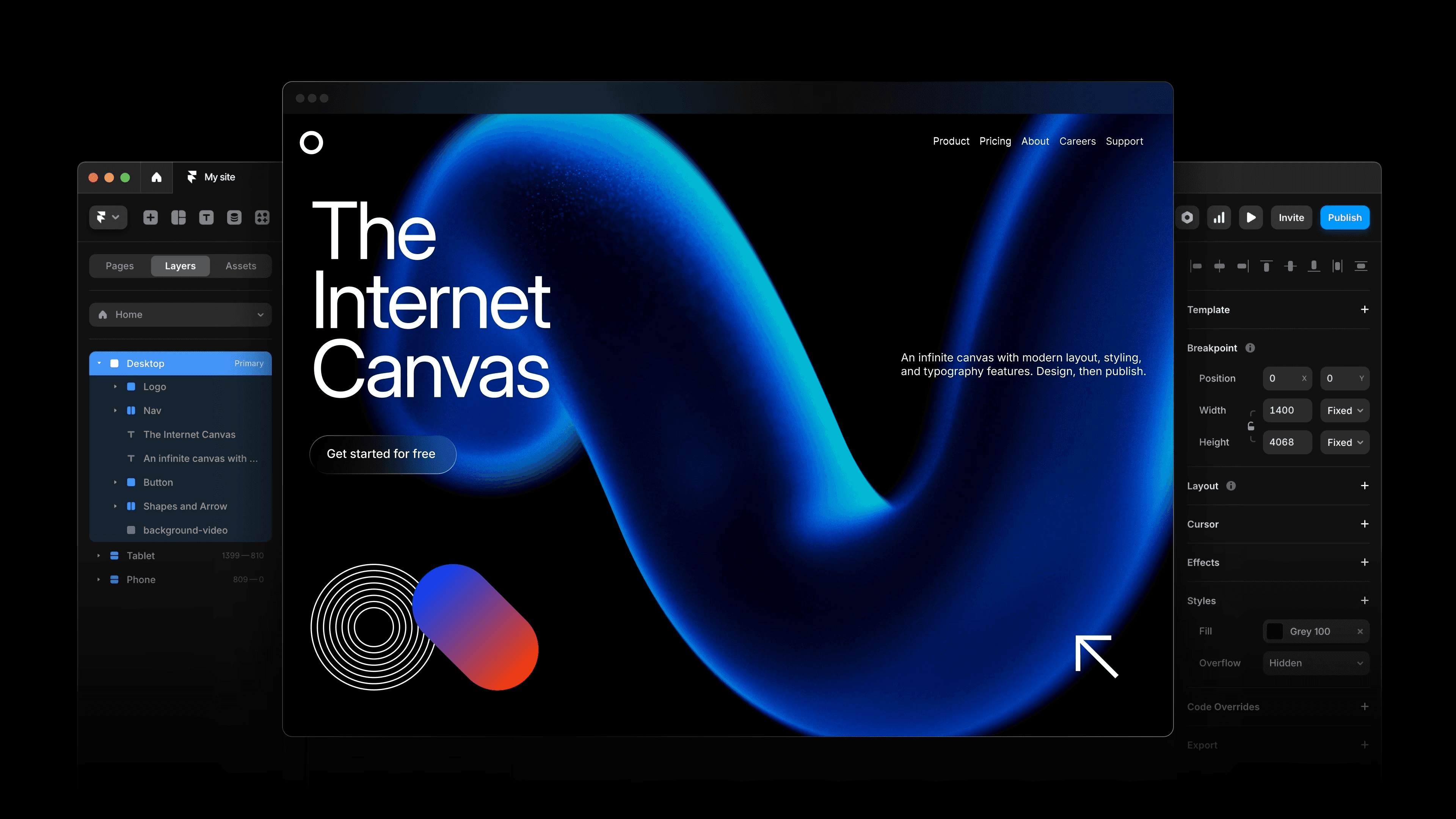
Webflow: Professional-grade website design with advanced animation and interaction capabilities
Framer: Design tool specifically optimized for interactive prototypes and animated experiences
Bubble: Full-stack web application development without coding knowledge
Notion: Collaborative workspace creation that can serve as community hubs and experience documentation
Airtable: Database and workflow management for complex experience coordination
Video and multimedia production:
Loom: Screen recording and video messaging for personalized experience elements
Canva: Graphic design and video creation with collaborative capabilities
Figma: Collaborative design tool for experience prototyping and team coordination
Miro: Digital whiteboard for experience planning and participant collaboration
Typeform: Interactive forms and surveys that feel conversational rather than transactional
Community and social integration:
Discord: Community platform optimized for ongoing conversation and relationship building
Slack: Organized communication for experience teams and participant coordination
Zoom: Video conferencing with interactive features for virtual and hybrid experiences
Eventbrite: Event management and ticket sales with community features
Mailchimp: Email marketing automation for pre, during, and post-experience communication
Analytics And Optimization For Experience Campaigns
Measuring the success of experiential marketing requires going beyond traditional marketing metrics to understand emotional engagement and behavioral change.
Experience-specific measurement frameworks:
Engagement depth analysis:
Time on site/participation duration: How long people stay engaged with the experience
Interaction frequency: Number of touchpoints and choices within the experience
Completion rates: Percentage of participants who complete the full experience journey
Return engagement: How often people revisit or continue engaging after initial experience
Social sharing behavior: Quality and quantity of organic social media sharing
Emotional impact assessment:
Net Promoter Score: Likelihood of recommending the experience to others
Sentiment analysis: Emotional tone of user-generated content and feedback about the experience
Brand perception shifts: Changes in brand awareness, consideration, and preference before and after experience
Memory retention: Long-term recall of experience elements and brand associations
Community participation: Ongoing engagement with brand community and related experiences
Business impact correlation:
Lead generation quality: Conversion rates and lifetime value of experience-generated prospects
Customer acquisition cost: Cost efficiency compared to traditional marketing channels
Revenue attribution: Sales directly traceable to experience participation
Customer lifetime value: Long-term value differences between experience participants and other customers
Referral generation: New customers acquired through word-of-mouth from experience participants
Case Study: Building An Experience Campaign From Concept To Execution
Let me walk you through how to design an experiential campaign using the frameworks we've discussed, showing the practical application of psychological insight, narrative design, and community activation.
The Challenge: B2B SaaS Company Seeking Market Differentiation
Background: Mid-market project management software company competing against established players like Asana and Monday.com. Traditional content marketing and performance advertising achieving modest results, but lacking emotional connection and community engagement that drives word-of-mouth growth.
Strategic objectives:
Build emotional connection with project managers and team leaders
Demonstrate product value through experience rather than explanation
Create shareable moments that generate organic social proof
Develop ongoing community that reduces customer acquisition costs
Phase 1: Experience Strategy Development
Core concept crystallization:
Central emotional truth: Project management isn't just about task coordination—it's about empowering teams to do their best work and achieve meaningful goals together
Behavioral objective: Shift perception from "task management tool" to "team empowerment platform"
Memory anchor: Moment of collective achievement when distributed team accomplishes something they didn't think was possible
Community connection: Network of project managers who share challenges, solutions, and success stories
Brand integration: Demonstrate collaborative power through meta-experience of community members working together
Target audience experience mapping:
Entry point: Invitation through existing customer advocacy and LinkedIn thought leadership
Engagement progression: Individual skill assessment → team challenge participation → community contribution → ongoing membership
Emotional arc: Curiosity → competence development → collective achievement → community belonging
Social interaction: Structured team formation → collaborative problem-solving → shared celebration → ongoing peer support
Exit strategy: Certification achievement that provides professional credentials and ongoing community access
Phase 2: "Project Manager Olympics" - Interactive Challenge Series
Narrative framework construction:
Story foundation:
Central conflict: Complex project challenge that requires both individual expertise and team collaboration
Character development: Participants develop from individual contributors to team leaders through progressive challenges
World building: Digital environment that simulates real-world project management scenarios with gamification elements
Stakes establishment: Professional development credentials and community recognition for successful participation
Resolution promise: Mastery of advanced project management concepts and network of professional peers
Progressive revelation design:
Hook: Invitation to "prove your PM skills" with intriguing first challenge that showcases platform capabilities
Complication: Increasingly complex scenarios that require collaboration with other participants
Discovery: Insights about effective project management that emerge through hands-on experience rather than instruction
Climax: Final team challenge that requires synthesis of all learned concepts and successful cross-team coordination
Denouement: Certification ceremony and ongoing community membership that extends experience beyond campaign
Phase 3: Multi-Platform Experience Execution
Interactive microsite development:
Technology stack selection:
Primary platform: Webflow for main experience site with custom animations and progress tracking
Challenge coordination: Airtable database integration for team formation and progress management
Community integration: Discord server for ongoing communication and collaboration
Video content: Loom screen recordings for challenge explanations and success celebrations
Social sharing: Custom graphics generated in Canva for achievement sharing and social proof
Sensory and interaction design:
Visual progression: Skill tree visualization that shows participant advancement through challenge levels
Audio feedback: Success sounds and ambient music that create achievement satisfaction
Interactive elements: Drag-and-drop project planning interfaces that demonstrate product capabilities
Social visualization: Team leaderboards and collaboration maps that show community engagement
Achievement artifacts: Downloadable certificates and LinkedIn badge integration for professional credibility
Phase 4: Community Activation And Live Events
Virtual event series design:
"PM Masters Summit" - Monthly virtual gatherings:
Format: 90-minute sessions combining expert presentations, participant case studies, and collaborative workshops
Community celebration: Recognition of challenge winners and showcase of successful project implementations
Skill development: Advanced techniques presented by industry experts and successful participants
Network building: Breakout sessions for peer connection and professional relationship development
Future challenge preview: Introduction of next month's challenges and skill development opportunities
Regional meetup facilitation:
Local chapter development: Community members organize geographic gatherings for in-person connection
Company partnerships: Sponsorship opportunities for participant employers to support professional development
Industry events: Presence at project management conferences and professional association meetings
Alumni network: Ongoing benefits and exclusive access for program graduates
Results And Learning Integration
Performance metrics after 6 months:
Participation: 2,847 project managers completed initial challenges, 1,234 achieved full certification
Engagement depth: Average 4.3 hours per participant across challenge series (compared to 12 minutes for typical webinar)
Social amplification: 15,600 social media shares with 89% positive sentiment analysis
Business impact: 23% increase in trial sign-ups, 67% improvement in trial-to-paid conversion rates
Community development: 892 ongoing Discord community members, 34% monthly active engagement
Customer acquisition: $127,000 in new annual recurring revenue directly attributed to experience participants
Key learning insights:
Collaborative challenges created stronger engagement than individual skill assessments
Professional credibility (certificates and badges) drove higher participation than monetary prizes
Peer recognition within the community became primary motivation for continued engagement
Real-world application of skills during challenges led to organic product adoption and advocacy
Community-generated content (success stories and tips) created ongoing value beyond initial campaign

The Future Of Experience-Driven Marketing
Experiential marketing is evolving from occasional campaign tactic to fundamental business strategy as consumers increasingly prioritize experiences over products and authentic connection over transactional relationships.
Technology-Enabled Experience Innovation
The experiential marketing industry is projected to reach $18.6 billion by 2030, driven by technological capabilities that enable more sophisticated and scalable experience creation.
Emerging experience technologies:
Augmented reality integration: Blending digital and physical experiences for enhanced immersion and interactivity
AI-powered personalization: Dynamic experience adaptation based on individual participant behavior and preferences
Voice and conversational interfaces: Natural language interaction that creates more intuitive and accessible participation
Biometric feedback integration: Real-time measurement of emotional response and engagement for experience optimization
Blockchain and NFT integration: Digital ownership and community membership that extends beyond individual campaigns
Community-Centric Business Models
The most successful experiential campaigns are evolving into ongoing community platforms that create sustainable business value beyond individual marketing objectives.
Community monetization strategies:
Membership and subscription models: Ongoing access to exclusive experiences and community benefits
Educational and certification programs: Professional development that creates both revenue and customer value
Peer-to-peer marketplaces: Community members providing services and expertise to each other
Sponsorship and partnership opportunities: Brand integration that enhances rather than interrupts community experience
Data and insight monetization: Community insights that inform product development and strategic decision-making
Sustainable Experience Design
As experiential marketing scales, companies are developing frameworks for creating meaningful experiences that don't require constantly escalating production budgets or resource investment.
Sustainable experience principles:
Community-generated content: Participant contributions that create ongoing value and reduce production demands
Modular experience design: Reusable elements that can be recombined for different campaigns and audiences
Local adaptation: Global experience frameworks that adapt to regional communities and cultural contexts
Technology leverage: Platform investments that enable multiple experience campaigns rather than single-use productions
Partnership ecosystems: Collaborative relationships that share resources and amplify reach without proportional cost increases single-use productions
Partnership ecosystems: Collaborative relationships that share resources and amplify reach without proportional cost increases
How To Start Building Experience-Driven Campaigns
Creating memorable marketing experiences doesn't require massive budgets or complex technology—it requires understanding human psychology, strategic narrative design, and systematic community activation.
The brands that win with experiential marketing start with clear principles and build systematic capabilities over time.
Your First Experience Campaign: A Practical Framework
Start with one focused experience that creates genuine value for your audience while demonstrating your brand's unique capabilities and values.
Week 1-2: Foundation and concept development
Audience insight research: Deep understanding of your target customer's emotional needs, professional challenges, and community desires
Brand truth identification: Authentic connection between your company's capabilities and customer transformation opportunities
Success metric definition: Clear measurement of both engagement quality and business impact beyond traditional marketing KPIs
Resource constraint assessment: Realistic evaluation of budget, time, and team capabilities for initial experience creation
Competition and opportunity analysis: Understanding of market gaps where experience-driven approach can create differentiation
Week 3-4: Experience architecture design
Narrative structure development: Story arc that transforms participants while authentically showcasing brand value
Community activation planning: Strategies for encouraging participant interaction and ongoing relationship development
Technology and platform selection: Tool choices that enable seamless experience without overwhelming complexity
Sensory and emotional design: Multi-modal experience elements that create memory formation and sharing motivation
Feedback and optimization integration: Systems for real-time experience improvement and participant satisfaction monitoring
Week 5-6: Production and community preparation
Experience creation and testing: Development of all experience elements with user testing and refinement
Community seeding and early engagement: Initial participant recruitment and experience champion development
Content and social media preparation: Supporting materials that enhance rather than distract from core experience
Team training and coordination: Internal alignment on experience objectives and participant support protocols
Launch strategy and timeline: Strategic rollout that builds momentum while maintaining experience quality
Building Long-Term Experience Capabilities
The companies that achieve sustained competitive advantage through experiential marketing treat experience design as a core competency rather than occasional campaign tactic.
Systematic capability development:
Experience design competency:
Psychology and behavior expertise: Understanding of memory formation, emotional engagement, and community dynamics
Narrative and story architecture: Skills in creating compelling stories that integrate authentically with business objectives
Technology integration: Ability to leverage digital tools for enhanced experience without losing human connection
Community building: Strategies for creating ongoing relationships and mutual value exchange with participants
Measurement and optimization: Analytics frameworks that connect experience engagement to business outcomes
Organizational integration:
Cross-functional collaboration: Alignment between marketing, product, customer success, and executive teams on experience strategy
Resource allocation: Budget and time investment in experience capabilities rather than just individual campaigns
Talent development: Team training and hiring that prioritizes experience design skills and community building capabilities
Technology infrastructure: Platform investments that enable ongoing experience creation rather than campaign-specific solutions
Culture evolution: Company values and practices that prioritize customer experience and community relationship building

The Averi Approach To Experience-Driven Marketing
This is exactly the kind of marketing that Averi was designed to enable—systematic creation of meaningful experiences that build authentic community and drive sustainable business growth.
Most marketing platforms treat experience as an afterthought, focusing on campaign creation rather than relationship building. Averi's approach integrates experience design into every aspect of marketing strategy and execution, from initial brand positioning through ongoing community development.
Experience-driven marketing capabilities:
Brand Core integration: Systematic brand voice and values integration that ensures every experience authentically represents your company's unique personality and competitive positioning.
Community-driven content creation: Access to creative specialists who understand experience design, community psychology, and the technical capabilities needed to create memorable digital and physical experiences.
Strategic experience planning: AI-powered analysis of audience insights, competitive landscape, and business objectives that identifies optimal experience opportunities and strategic approaches.
Performance measurement and optimization: Analytics integration that connects experience engagement to business outcomes, enabling continuous improvement and strategic refinement of experience-driven marketing approaches.
The result: Marketing that doesn't just capture attention—it creates lasting relationships, drives organic growth through word-of-mouth advocacy, and builds sustainable competitive advantages through authentic community development.
The Experience Imperative: Why This Matters More Than Ever
We're living through a fundamental shift in how people relate to brands, products, and each other. 76% of consumers say they're more loyal to brands that understand them as individuals, and experiences now influence purchasing decisions more than product features or pricing for the majority of consumers.
This isn't a trend—it's a permanent evolution in human expectations and business strategy. The brands that understand this shift and build systematic experience capabilities will create sustainable competitive advantages that compound over time. Those that continue focusing purely on product features and performance marketing will find themselves increasingly irrelevant in markets where emotional connection and community belonging drive customer decisions.
Experience-driven marketing isn't about bigger budgets or fancier technology. It's about deeper understanding of human psychology, more strategic integration of brand values with customer needs, and systematic approaches to building relationships rather than just generating transactions.
The question isn't whether your industry needs experiential marketing. The question is whether you'll develop these capabilities before your competitors do—or whether you'll spend the next five years trying to catch up to companies that understood the shift toward experience-driven customer relationships.
Great marketing has always been about creating feelings that drive action. Experience design just gives us systematic frameworks for doing that more effectively, more authentically, and at greater scale than ever before.
The future belongs to brands that make people feel something worth sharing.
Ready to transform your campaigns into memorable experiences that build lasting customer relationships?
See how Averi's integrated approach enables systematic experience-driven marketing →