How to Build a Social Media Strategy for Healthcare & Wellness

Averi Academy
Averi Team
8 minutes

In This Article
Learn how to create a robust social media strategy for healthcare that builds trust, engages patients, and ensures compliance with regulations.
Updated:
Trusted by 1,000+ teams
Startups use Averi to build
content engines that rank.
Social media is reshaping healthcare communication, offering providers a way to educate, engage, and connect with patients while addressing challenges like misinformation and privacy regulations. Here's how to create an effective strategy:
Set Clear Goals: Use SMART goals to define objectives, such as increasing patient inquiries or educating about specific health topics.
Know Your Audience: Understand who you're targeting to create content that resonates.
Choose Platforms Wisely: Select the best platforms for your goals - Instagram for visuals, LinkedIn for professional updates, or TikTok for short, engaging videos.
Create Trustworthy Content: Share accurate health tips, patient testimonials (with consent), and interactive posts like Q&As.
Use AI Tools: Platforms like Averi AI help streamline content creation while ensuring compliance with regulations like HIPAA.
Monitor and Optimize: Track engagement, patient acquisition, and compliance metrics to refine your approach.
Masterclass: Social Media Marketing for Doctors
Step 1: Define Your Goals and Target Audience
Start by setting clear, measurable objectives that align with your healthcare mission. A great way to do this is by creating SMART goals - those that are Specific, Measurable, Achievable, Relevant, and Time-bound. These goals will steer your social media efforts and ensure you’re working toward meaningful outcomes. Once your objectives are in place, identifying your audience becomes the next critical step to ensure your content resonates and drives engagement.
Setting SMART Goals for Social Media
Specific goals are precise and leave no room for ambiguity. For instance, instead of saying, "get more followers", define your objective as "increase Instagram followers among women aged 25–45 in our local market." This specificity helps shape both your content and targeting strategies.
Measurable goals give you concrete benchmarks to track. For example, you might aim to boost monthly website traffic by a certain percentage or generate a set number of patient inquiries. These metrics make it easier to evaluate how well your strategy is working.
Achievable goals take your current resources and capabilities into account. Rather than expecting massive results overnight, focus on consistent, manageable progress that aligns with your ability to produce high-quality content.
Relevant goals tie directly to your organization’s larger mission. If retaining patients is a top priority, your social media efforts should center on building trust and fostering long-term relationships through engaging and informative content.
Time-bound goals help you stay focused and accountable. Setting deadlines - such as increasing patient inquiries by a specific percentage within six months - creates a sense of urgency and allows for regular check-ins to adjust your strategy as needed.
Step 2: Choose the Right Platforms and Content Types
Once you’ve defined your goals and identified your audience, the next step is to pick platforms and create content that aligns with your healthcare and wellness objectives. Every social media platform offers distinct advantages, so it’s essential to choose those that resonate with your audience’s preferences and communication styles. This decision lays the groundwork for building trust and fostering meaningful engagement.
Selecting Platforms for Healthcare Engagement
Some platforms are ideal for community-building and sharing in-depth health education, making them highly effective for engaging patients and promoting awareness.
Visual-focused platforms shine when it comes to storytelling. Use these to humanize your services with behind-the-scenes glimpses, health tips, or exercise demonstrations - perfect for creating relatable, engaging content.
Professional networks are great for sharing industry updates, connecting with colleagues, and establishing authority. These platforms provide an excellent space to highlight expertise and build referral networks.
Short-form video platforms offer opportunities to share quick educational clips or debunk common health myths. However, ensure that all content complies with healthcare industry standards and guidelines.
Long-form video platforms work well for detailed content such as procedure explanations, patient testimonials, or in-depth wellness guides.
Creating Engaging and Trustworthy Content
Your content should not only educate but also build trust with your audience. Pair the right content types with your chosen platforms to maximize their impact. Here are some ideas to consider:
Educational posts: Simplify complex topics like common conditions, preventive care, or treatments so they’re accessible to everyone.
Patient stories and testimonials: Share real-life experiences (with consent) to help potential patients connect on a personal level.
Behind-the-scenes content: Introduce your team or share glimpses of daily operations to foster comfort and familiarity.
Interactive formats: Host Q&A sessions, live streams, or polls to encourage real-time engagement and feedback.
Seasonal or timely content: Address trending wellness topics or current health concerns to stay relevant and relatable.
Best Posting Schedules and Formats
Timing matters when it comes to posting. Experiment with different schedules and analyze engagement data to determine when your audience is most active. This helps you reach them when they’re most likely to engage.
To keep your audience interested, vary your content formats. Use single-image posts, carousels, short videos, and interactive elements to mix things up. Always end posts with clear calls-to-action - whether it’s booking an appointment, visiting your website, or engaging further with your content.
Step 3: Use AI Tools for Automation and Efficiency
Managing social media in the healthcare and wellness space means juggling speed, compliance, and personalization. AI tools can take on tasks like content creation, scheduling, and audience analysis, freeing up your time to focus on building meaningful connections and delivering exceptional care. The challenge lies in selecting tools that not only meet healthcare’s unique needs but also navigate its strict regulatory environment. Let’s look at how Averi AI tackles these specific challenges head-on.
How Averi AI Streamlines Social Media Management
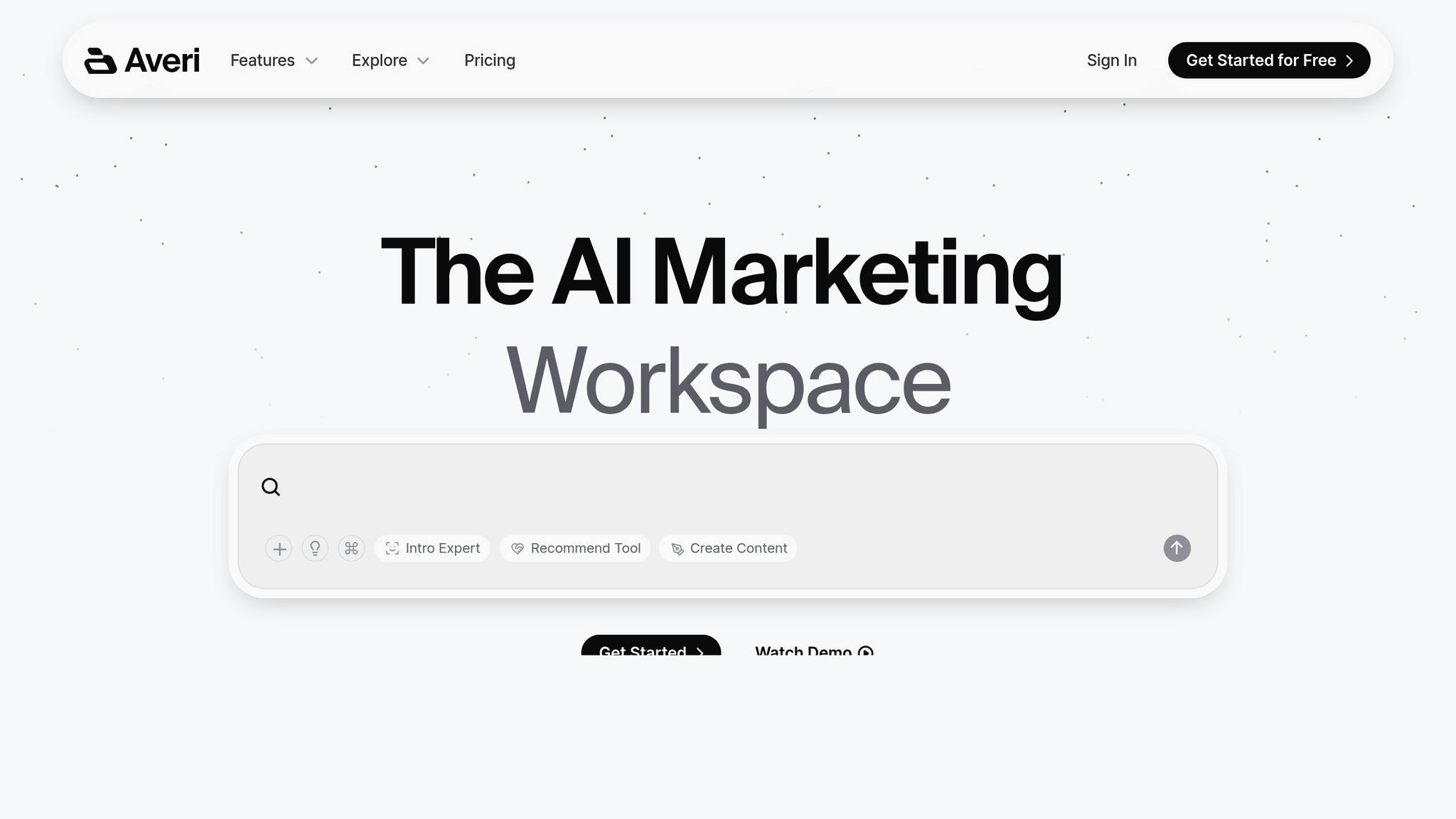
Averi AI operates on a structured Think → Create → Execute → Scale workflow, designed to ensure both brand consistency and regulatory compliance. Unlike general-purpose AI writing tools, Averi is built specifically for healthcare marketing, blending AI’s efficiency with human oversight to meet the sector’s stringent requirements.
The platform’s Brand Core feature acts as a centralized repository for your brand’s voice, guidelines, and compliance rules. This ensures all generated content aligns with your established tone and adheres to regulatory standards.
In the /create mode, Averi employs a three-step Discuss → Draft → Edit process to transform briefs into ready-to-use content. This method ensures even the most complex healthcare topics are thoroughly researched, clearly communicated, and formatted for your preferred platforms - whether it’s a quick reminder about an appointment or an in-depth explanation of treatment options.
For specialized topics, Averi’s Human Cortex integration connects users with vetted experts who understand your brand’s guidelines and project context. This hybrid approach combines AI’s speed with the precision and empathy of human expertise - an essential balance for healthcare communication.
The Library feature archives every approved campaign and template, allowing you to refine and evolve your strategy based on what resonates most with your audience.
Comparing AI Tools for Healthcare Marketing
Averi AI stands out by providing comprehensive compliance and workflow management, setting it apart from other solutions.
Feature | Averi AI | ||
|---|---|---|---|
Compliance Support | Built-in brand guidelines and HIPAA-conscious workflows | Generic templates requiring manual compliance checks | Varies based on freelancer expertise |
Quality Control | Multi-layer review with human expert oversight | Basic grammar checks with self-serve prompts | Depends on freelancer vetting |
Healthcare Context | Trained for medical communications | General-purpose AI needing detailed prompts | Specialist freelancers available, but require extensive briefing |
Workflow Integration | Full Think → Create → Execute → Scale workflow | Focused mainly on content creation; external tools needed | Project-based with separate coordination |
Cost Structure | $45/month for the Plus plan with 1,200 AI tokens | $24–$82/month depending on usage limits | $15–$150+ per project based on scope |
Time to Results | Immediate content generation with brand alignment | Quick generation but often needs compliance review | 3–7 days for quality work |
Best For | Healthcare teams needing consistent, compliant content at scale | Teams with strong internal compliance processes | One-off projects or highly specialized content |
The choice between these tools depends on your team’s resources and comfort with compliance. Averi AI is an excellent option for healthcare organizations that want to scale content production while maintaining tight control over their messaging. AI point tools may suit teams with robust internal review systems, while freelancer marketplaces can be useful for one-off projects or highly specialized needs.
For many healthcare and wellness teams, a blended approach often works best. Use AI tools for routine tasks like content creation and social media management, while reserving human experts for sensitive matters, crisis communication, or complex medical topics that require a deep understanding of patient concerns and regulatory nuances. By leveraging these efficiencies, healthcare marketers can craft compliant, engaging social media strategies that connect with their audience effectively.
Step 4: Ensure Compliance and Monitor Performance
Healthcare social media demands a careful balance - engaging your audience while staying within the boundaries of regulatory standards. Your content needs to resonate with patients, but it must also comply with privacy laws and maintain truthful advertising. At the same time, tracking performance metrics is crucial to measure success and refine your strategy. Let’s dive into the practices that safeguard your efforts and help you achieve your goals.
Staying Compliant with HIPAA and FTC Guidelines
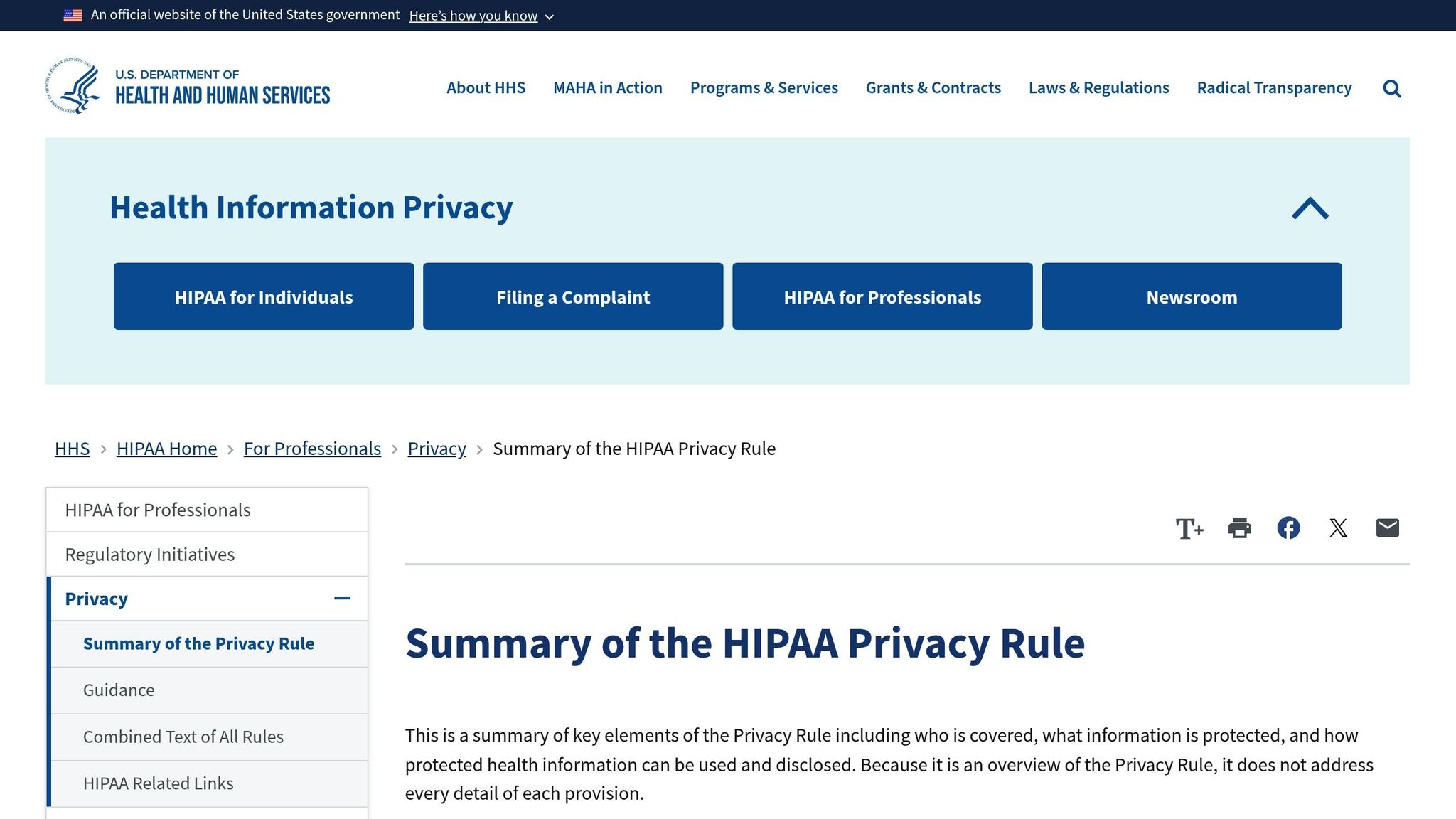
Compliance with HIPAA is non-negotiable when it comes to healthcare social media. These regulations require strict protection of patient data, and violations can lead to severe penalties. To stay on the right side of the law, never share patient information without explicit written consent. This includes photos, testimonials, or any descriptions that might reveal someone’s identity. A two-person review process - one of whom should be a compliance expert - can help ensure every piece of content meets the required standards. Documenting each step is also a good practice for accountability.
When highlighting patient success stories, de-identify the information by removing names, dates, or other unique identifiers. This allows you to showcase positive outcomes while safeguarding patient privacy.
The FTC also plays a role in regulating healthcare content. Avoid making unverified claims or guarantees. Stick to evidence-based language and disclose any financial relationships or sponsorships upfront. For instance, use hashtags like #ad, #sponsored, or #partnership to maintain transparency. Approval templates with checklists can help you verify privacy compliance, factual accuracy, and proper sponsorship disclosures before publishing.
Key Metrics for Measuring Social Media Success
Success in healthcare social media isn’t just about likes or shares - it’s about aligning your efforts with patient care and business goals. Here are some key metrics to track:
Engagement Quality: Focus on meaningful interactions such as comments, shares, and saves of educational posts. For example, a post about skin cancer prevention might not generate as many likes as a cosmetic-related post, but it could drive more appointment bookings or spark deeper engagement.
Patient Acquisition Metrics: Measure click-through rates to appointment booking pages, phone calls made through trackable numbers, and inquiries from new patients who mention your social media presence. Calculating the cost per patient acquisition provides insight into the return on your social media investment.
Trust and Authority Indicators: Track how often your practice is mentioned across platforms, analyze the sentiment of comments and reviews, and monitor follower growth in key demographics. These metrics reflect how well your social media presence is enhancing your reputation.
Educational Impact: Evaluate how your audience interacts with health education content. Metrics like video completion rates, downloads of resources (e.g., symptom checklists), and engagement with seasonal health campaigns show whether you’re effectively positioning your practice as a reliable source of information.
Compliance Metrics: Keep an eye on response times to patient inquiries, monitor the percentage of posts requiring compliance review, and document edits made for regulatory reasons. These metrics ensure your content remains both effective and compliant.
Conclusion: Building a Long-Term Social Media Strategy
Crafting a successful social media strategy for healthcare is not a one-time task - it’s an ongoing process that requires careful planning, smart use of technology, and unwavering adherence to compliance standards. The steps outlined in this guide provide a solid framework to create a strategy that not only builds trust but also adapts to the complexities of the healthcare industry.
AI-powered marketing tools offer a clear advantage, as seen in Roman Olney's impressive $16 million savings. These tools streamline operations, allowing healthcare providers to focus more on patient care while maintaining a polished and professional presence online. By automating workflows, practices can reduce costs and create more meaningful interactions with patients.
A well-rounded strategy incorporates clear objectives, carefully chosen platforms, AI-driven efficiencies, and a strong commitment to compliance. Success comes from continuously refining these systems with each campaign. AI tools, designed to align with your brand’s voice and preferences, improve over time, ensuring consistency and effectiveness. As Jean English, former Chief Marketing Officer at Juniper Networks, noted, AI-driven personalization has led to a fivefold increase in meeting opportunities - proof of its potential to transform engagement efforts [1].
Your social media approach should be as dynamic as the environment it operates in. With frequent updates to HIPAA guidelines and the constant evolution of digital platforms, flexibility is key. Whether it’s through modular content templates, scalable approval processes, or adaptable AI workflows, building adaptability into your strategy ensures it remains relevant and impactful.
Ultimately, every phase of this guide connects to form a cohesive strategy that fosters patient trust, drives practice growth, and enhances operational efficiency. Start small - focus on mastering one platform and perfecting your compliance processes before expanding. With more patients looking to social media for healthcare information, it’s essential to establish a trustworthy voice in these spaces. By embracing technology and staying ahead of regulatory changes, you can ensure your strategy’s success for years to come.
FAQs
How can healthcare providers stay compliant with HIPAA and FTC regulations when using social media?
Healthcare providers using social media must take proactive steps to align with HIPAA and FTC regulations. The cornerstone of this effort is safeguarding patient privacy. Never share patient-identifiable details, whether through direct information, photos, or case studies, unless you have explicit consent.
It's equally important to use secure tools to manage social media content and routinely monitor posts to ensure compliance. Transparency is key - always disclose any endorsements or partnerships to meet FTC guidelines. Regular training for your team on privacy laws and social media best practices can further reduce risks and ensure everyone stays on the same page.
To streamline the process, tools like Averi AI can be a game-changer. These platforms help automate content creation while incorporating compliance measures directly into your workflow, saving time and reducing the chances of errors.
What are the advantages of using AI tools like Averi AI to create a social media strategy for healthcare and wellness?
AI tools, such as Averi AI, can streamline your social media efforts by automating content creation, refining audience targeting, and boosting engagement.
By crafting personalized, high-quality posts, these tools save time while ensuring adherence to healthcare regulations like HIPAA. They also deliver valuable insights to fine-tune your messaging, fostering stronger connections with your audience. This approach helps build trust and supports growth within the healthcare and wellness industries.
How can healthcare organizations evaluate the success of their social media strategies beyond likes and shares?
To gauge the effectiveness of social media strategies in healthcare, it's essential to look beyond surface-level metrics like likes and shares. Instead, focus on key performance indicators (KPIs) that directly support your organization's goals. Metrics such as website traffic originating from social media, conversion rates (like appointment bookings or newsletter sign-ups), and patient inquiries generated through social platforms provide a clearer picture of success.
It's also valuable to track sentiment analysis to understand how your audience feels about your brand, as well as audience growth trends to ensure your reach is expanding over time. Platforms like Averi AI can simplify this process by automating data analysis and offering actionable insights to fine-tune your approach.
Related Blog Posts

Zach Chmael
CMO, Averi
"We built Averi around the exact workflow we've used to scale our web traffic over 6000% in the last 6 months."
Your content should be working harder.
Averi's content engine builds Google entity authority, drives AI citations, and scales your visibility so you can get more customers.