

In This Article
Learn how to effectively leverage YouTube ads for the hospitality and travel industry, from ad formats to targeting strategies and performance tracking.
Updated:
Trusted by 1,000+ teams
Startups use Averi to build
content engines that rank.
YouTube ads are a powerful way for hotels and travel businesses to attract guests and boost bookings. By leveraging video formats tailored to your goals and targeting the right audiences, you can showcase destinations, accommodations, and experiences to travelers actively planning their trips. Here’s a quick breakdown:
Ad Formats: Use skippable ads for storytelling, non-skippable ads for promotions, bumper ads for quick impressions, and discovery ads to reach users searching for travel content.
Targeting: Focus on placement targeting (e.g., travel vlog channels) and remarketing to re-engage viewers who’ve interacted with your brand.
Content Tips: Highlight stunning visuals, guest testimonials, and local travel guides. Use YouTube Shorts for quick promotions or flash sales.
Performance Metrics: Track view-through rates, click-through rates, and conversions while calculating return on ad spend (ROAS) to measure success.
AI Tools: Automate tasks like ad creation, targeting, and bid optimization with tools like Averi AI.
Travel Agency Pay-Per-Click (PPC) Advertising: Travel Marketeering with Joshua Harrell
YouTube Ad Format Options
YouTube offers various ad formats designed to meet different marketing goals. Knowing these options can help you align your campaign objectives with the right format to achieve the best results.
Skippable vs. Non-Skippable In-Stream Ads
Skippable in-stream ads allow viewers to skip after 5 seconds, making them ideal for creating brand awareness without overwhelming your audience. You’re only charged when someone watches at least 30 seconds or engages with your ad, ensuring you pay for meaningful interactions.
Non-skippable in-stream ads, on the other hand, run for 15-20 seconds and deliver the full message to viewers. While effective for delivering a complete pitch, they do carry the risk of disrupting the viewing experience.
For travel brands, skippable ads work well to showcase breathtaking visuals, like stunning destinations or unique experiences. For instance, a hotel with panoramic ocean views or a tour company offering thrilling adventures can use this format to let interested viewers dive deeper into their story.
Non-skippable ads are better suited for urgent promotions. If you’re running a flash sale on vacation packages or offering last-minute hotel deals, the urgency may justify the interruption.
Next, let’s look at bumper ads and video discovery ads for other creative approaches.
Bumper Ads and Video Discovery Ads
Bumper ads are short, 6-second non-skippable videos designed to boost brand recall. These quick spots are great for highlighting a single memorable feature or reinforcing your brand name.
Travel brands often use bumper ads to focus on striking visuals - like an infinity pool at a luxury resort, the elegance of a cruise ship’s dining room, or a destination’s iconic landmark. The goal is to leave viewers with one powerful image that sticks.
Video discovery ads appear in YouTube search results or alongside related videos, targeting users who are already searching for content. Unlike in-stream ads that interrupt videos, these ads attract viewers actively researching topics.
For example, someone searching for "top hotels in Hawaii" or "reviews of European river cruises" is already considering a trip. Discovery ads put your message in front of these high-intent viewers, making them more likely to engage with your content.
How to Choose the Right Ad Format
Selecting the right ad format depends on your campaign goals. Here’s how to match your objectives with the most effective format:
For brand awareness, skippable in-stream ads offer a cost-efficient way to reach interested viewers while avoiding wasted spend on those who skip.
For direct response campaigns aimed at driving bookings or website visits, video discovery ads shine. They reach users actively researching travel options, increasing the likelihood of immediate action.
For remarketing efforts, non-skippable ads can be impactful. A 15-second reminder about a hotel room they viewed or a destination they browsed can nudge previous visitors toward making a booking.
Budget also plays a role. Bumper ads require high frequency to make an impact, while discovery ads tend to have a lower cost-per-click but more limited reach. Use skippable in-stream ads for longer storytelling and bumper ads for quick, visually striking messages.
Testing multiple formats simultaneously can help identify what works best. Many successful travel campaigns combine formats - using discovery ads to capture high-intent users while running bumper ads to build broader brand recognition.
How to Target Travel Audiences on YouTube
Connecting with potential travelers on YouTube is a great way to boost bookings and build your travel brand’s presence. By leveraging placement targeting and remarketing, you can deliver ads that feel personal and relevant to viewers who are already interested in travel.
Placement and Remarketing Methods
With placement targeting, you can strategically place your ads on specific YouTube channels or videos that attract travel enthusiasts. Think about channels featuring popular travel vloggers, destination reviews, or hotel guides - places where your target audience is already engaged. This ensures your ads are seen by viewers who are actively interested in exploring new destinations.
Remarketing takes this a step further by focusing on users who have already interacted with your brand. Whether they’ve visited your website or watched your videos, you can create tailored remarketing lists to re-engage them. Remind these viewers of the destinations or experiences they’ve shown interest in, encouraging them to take the next step and book their trip.
Making Video Content That Converts Travelers
Creating video content that resonates with travelers is key to turning interest into bookings. By showcasing real experiences, you can inspire confidence and excitement, encouraging potential guests to take the next step.
Destination Videos and Hotel Tours
Visual storytelling is a powerful way to connect with your audience. Use drone footage to capture breathtaking views of your destination, and create virtual tours that highlight your property’s standout features. These visuals help travelers picture themselves in the space, making it easier for them to commit to a booking.
Instead of just listing features, focus on the experience. Show guests savoring breakfast on a balcony with an ocean view, families splashing in the pool, or couples strolling through lush gardens. These moments make your property feel inviting and relatable.
Pay attention to lighting and ambiance. Outdoor shots taken during the golden hour create a warm and welcoming feel, while well-lit indoor scenes can showcase your property’s design and comfort. Keep your content current by highlighting seasonal activities - like powdery slopes for a ski resort in winter or vibrant hiking trails in the summer. Similarly, a beach destination can feature tranquil family-friendly waters or thrilling water sports for adventurers.
To deepen trust, incorporate guest stories and local expertise into your videos.
Customer Reviews and Travel Guides
Authentic testimonials from real guests are invaluable for building trust. When guests share stories about staff who went above and beyond or describe their favorite moments, it adds a personal touch that polished marketing often lacks.
Go a step further by creating travel guide videos that position your brand as a helpful resource. Share tips on navigating local transportation, must-see attractions, or understanding local customs. These videos not only provide value but also establish your brand as an expert in the area, keeping you top-of-mind when viewers plan their trips.
User-generated content is another goldmine. With permission, repurpose social media clips of guests enjoying their stay, exploring nearby attractions, or engaging in activities you offer. This type of content feels genuine and often outperforms highly produced ads because it reflects real experiences.
Structure your videos to address common traveler questions. For example, if accessibility, dining options, or nearby attractions are frequent concerns, create content that tackles these topics head-on. Use guest testimonials and visuals to provide clear, reassuring answers.
Short-form videos can also play a crucial role in driving immediate engagement.
YouTube Shorts for Quick Promotion
Short-form videos are perfect for grabbing attention quickly and encouraging immediate action. Use YouTube Shorts to spotlight limited-time deals or share quick travel tips.
Try creating “day in the life” videos that condense a guest’s experience into 60 seconds. These work especially well for boutique hotels or unique accommodations where the overall experience is a big draw.
Highlight flash sales and limited-time offers with short, engaging clips. Show off your property’s best features and include a strong call-to-action, such as “Book by Friday and save 30%,” to create urgency and boost bookings.
Leverage trending audio and hashtags to improve visibility, but make sure they match your brand’s personality. For instance, a luxury resort might opt for soothing background music, while an adventure-focused property could use upbeat tracks to energize potential guests.
Finally, share quick tips and insider knowledge to keep viewers engaged. Offer advice on the best photo spots, hidden dining gems, or the ideal times to visit popular attractions. These insights not only build goodwill but also encourage viewers to follow your channel for more travel inspiration.
Tracking Campaign Performance and ROI
To make the most of your YouTube ad campaigns, it's essential to measure performance effectively. By focusing on key data points that influence bookings, you can make smarter decisions about how to allocate your marketing budget.
Key Metrics to Monitor
Tracking the right metrics ensures you understand how your ads are performing and where improvements are needed. Here are the key indicators to watch:
View-through rate (VTR): This shows the percentage of viewers who watched your ad in full versus those who skipped it. If your VTR is low, consider testing different openings or condensing your message to keep viewers engaged.
Click-through rate (CTR): This metric tracks how many people clicked on your ad after watching it. Travel and hospitality ads often perform better with clear calls-to-action like "Book now" or "Check availability" to encourage engagement.
Conversion rate: This measures how many clicks lead to bookings, newsletter signups, or other desired actions. Since conversion rates can vary based on audience and property type, experimenting with your approach is crucial to improving results.
Cost per acquisition (CPA): CPA tells you how much you're spending to acquire each new customer. Keep your room rates and profit margins in mind when setting CPA targets.
Brand lift metrics: These metrics assess changes in awareness and consideration after viewers see your ads. Tools like YouTube's Brand Lift studies can help you determine if your campaign is driving interest in your hotel or destination.
A/B Testing for Better Results
A/B testing is a powerful way to refine your campaigns by identifying what resonates most with potential travelers. Here’s how you can approach testing:
Creative variations: Test different visuals while keeping the core message consistent. For example, one version might showcase sweeping property views, while another focuses on guest experiences and amenities.
Audience segmentation: Experiment with various audience groups to see which ones engage most with your ads. Adjust targeting options, such as demographics, interests, and behaviors, to find the best-performing combinations.
Ad formats: Shorter ads can work well for limited-time promotions, while longer formats allow you to dive deeper into property features and build an emotional connection with viewers.
Bidding strategies: Compare manual CPC with automated bidding options like Target CPA or Maximize Conversions. Use early tests to establish a performance baseline, then refine based on the insights you gather. Make sure your testing period is long enough to account for typical booking behaviors.
Calculating ROAS to Evaluate Success
Return on ad spend (ROAS) is a straightforward way to measure your campaign’s financial success. Divide your total revenue by the amount spent on ads to calculate ROAS. For example, if your campaign generates revenue that’s three times your ad spend, your ROAS would be 3:1.
In the hospitality industry, a "good" ROAS depends on your business model and profit margins. Keep in mind the lifetime value of a guest - an initial booking could lead to repeat stays or referrals, which might justify higher acquisition costs.
When calculating ROAS, consider the role of attribution windows. Booking decisions often happen days or even weeks after someone sees an ad, so evaluating performance over a longer timeframe can give you a more accurate picture of your campaign’s impact.
Tracking ROAS at multiple levels, from overall campaigns to specific ad groups, helps identify which audiences and messages are delivering the best returns. With this insight, you can shift your budget toward the most profitable segments.
Finally, don’t overlook seasonal trends. Performance can vary significantly throughout the year, so adjusting your budget and expectations based on these fluctuations will help you stay ahead.
Using AI Tools for Campaign Management
Running YouTube ad campaigns requires juggling creative development, audience targeting, and performance analysis. AI tools can take over repetitive tasks, freeing up your time for strategic planning and creative decisions. This creates an opportunity to use AI for smarter, more efficient campaign management.
AI-Powered Ad Creation and Testing
Manually crafting multiple ad variations can be a long and tedious process. AI-driven creative tools simplify this by generating a variety of ad concepts tailored to your brand’s guidelines and informed by insights from previous campaign successes. This allows you to experiment with different creative elements, identify what resonates most with your audience, and amplify those winning ideas - ultimately driving better ROI for your campaigns.
Automated Targeting and Bid Optimization
YouTube offers a vast array of targeting options, but finding the right audience can be tricky. AI steps in by analyzing performance data to fine-tune bids and zero in on high-value audiences, cutting down on wasted spend. With real-time optimization, your campaigns stay agile, adapting to performance trends throughout the day. This blend of automation and human oversight ensures your marketing strategy remains cohesive and effective.
Managing Campaigns with Averi AI
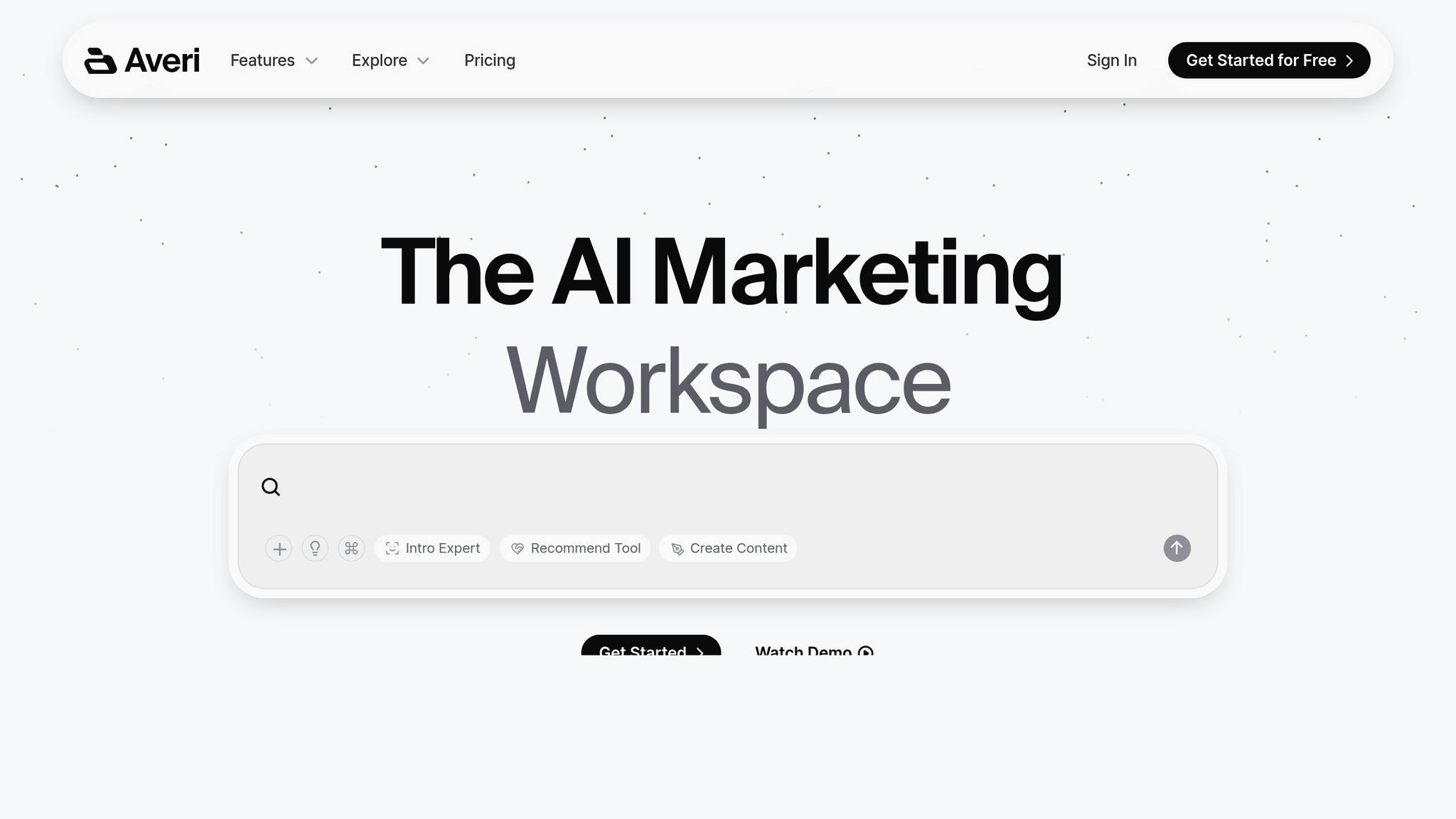
Averi AI provides a unified workspace that merges AI automation with human expertise. Its Synapse system smartly delegates tasks between automated processes and expert input, ensuring both routine tweaks and strategic decisions are handled seamlessly. Averi AI also promotes brand consistency and makes team collaboration easier - especially useful when managing campaigns across multiple channels or during seasonal promotions. This integrated approach aligns perfectly with the strategic goals of your YouTube ad campaigns.
Getting the Most from YouTube Ads in Travel Marketing
To make the most of YouTube ads in travel marketing, success hinges on smart planning and execution. This involves choosing the right ad formats, targeting the right audiences, creating compelling content, and using AI tools to fine-tune performance. When done right, these strategies can drive bookings and deliver a strong return on investment.
Start by aligning your ad format with your campaign goals. Whether you're focusing on storytelling to inspire wanderlust or driving direct conversions, the format you choose should reflect your objectives. Use travel-specific keywords and strategic ad placements to refine your targeting and ensure your ads reach the right audience. Combine this with engaging content that highlights captivating experiences, uses authentic visuals, and includes clear calls-to-action to guide viewers toward booking.
Leverage AI tools like Averi AI's Synapse system to handle tasks like bid adjustments and creative testing. These tools not only optimize performance but also help maintain brand consistency across campaigns. Keep your focus on metrics that truly matter, such as cost per acquisition, booking conversion rates, and lifetime customer value, instead of getting sidetracked by vanity metrics.
Finally, integrate YouTube ads into your broader marketing strategy to amplify their impact. Retarget viewers with display ads, align your video messaging with email campaigns, and use insights from YouTube to shape your social media content. This multi-channel approach ensures travelers encounter your brand at various touchpoints, guiding them seamlessly from inspiration to booking. By weaving these strategies into your overall marketing efforts, you can turn casual viewers into loyal customers.
FAQs
How can I use AI tools like Averi AI to create and optimize YouTube ads for the travel industry?
AI tools like Averi AI simplify the process of creating and managing YouTube ad campaigns by automating key tasks like dynamic ad creation and audience targeting. With Averi AI, you can fine-tune your workflow, monitor performance metrics, and concentrate on strategies that boost bookings and enhance brand awareness.
For businesses in the travel industry, Averi AI offers the ability to design tailored ads that connect with potential travelers on a personal level. This ensures your campaigns are engaging while remaining budget-friendly, helping you optimize your return on investment and reduce time spent on manual tasks.
What are the best tips for creating YouTube video ads that inspire travelers to book their next trip?
To make YouTube ads that turn viewers into travelers, focus on creating content that's both visually captivating and emotionally engaging. Highlight breathtaking destinations, showcase one-of-a-kind experiences, and weave stories that resonate with your audience's wanderlust.
Tailor your messaging to connect with specific groups, whether it's families, solo explorers, or those seeking luxury escapes. Combine this with clear calls-to-action like "Book Now" or "Discover More" to nudge viewers toward planning their next adventure. Also, ensure your videos are mobile-friendly - keep them short, visually striking, and add subtitles to make them accessible to everyone.
What is the best YouTube ad format for achieving my travel brand's marketing goals?
When selecting a YouTube ad format, it's essential to align your choice with your marketing objectives. If building brand awareness is your goal, TrueView in-stream ads are a solid option. These ads let viewers skip after 5 seconds, meaning you only pay when someone actively engages by watching for a longer duration.
For campaigns aimed at driving website traffic or securing bookings, TrueView for action ads work well. These ads feature prominent call-to-action buttons, making it easy for viewers to click through to your site.
Want to highlight your destination or product in a quick and engaging way? Bumper ads, which are 6-second non-skippable videos, are perfect for delivering visually striking, memorable messages. On the other hand, if ensuring your message is fully seen is critical, non-skippable in-stream ads guarantee your entire ad plays.
The key is to match the format to your specific goals and experiment with different approaches to discover what resonates most with your audience.
Related Blog Posts

Zach Chmael
CMO, Averi
"We built Averi around the exact workflow we've used to scale our web traffic over 6000% in the last 6 months."
Your content should be working harder.
Averi's content engine builds Google entity authority, drives AI citations, and scales your visibility so you can get more customers.