ChatGPT Has Ads Now. Here's What It Means for Your Startup's Content Strategy.
5 minutes

TL;DR
📢 OpenAI just started testing ads in ChatGPT — sponsored placements appearing below responses for free and Go tier users, with a $200,000 minimum ad commitment for beta advertisers.
🔓 The trust premium is at risk. 40% of consumers trust AI search results more than traditional search, but that advantage erodes when users can't tell earned recommendations from paid placements.
🏆 Startups have a structural advantage — organic AI citations are free, convert at 4.4x the rate of traditional search, and compound over time as AI systems reinforce trusted sources.
📊 Original data and GEO optimization are your moat. Content with original statistics sees 30-40% higher LLM visibility, and GEO techniques can boost AI response visibility by up to 40%.
⏰ The window is closing. AI search channels are projected to match traditional search in economic value by late 2027. The brands building citation authority now will have compounding advantages that late movers can't overcome.
Zach Chmael
CMO, Averi
"We built Averi around the exact workflow we've used to scale our web traffic over 6000% in the last 6 months."
Your content should be working harder.
Averi's content engine builds Google entity authority, drives AI citations, and scales your visibility so you can get more customers.
ChatGPT Has Ads Now. Here's What It Means for Your Startup's Content Strategy.
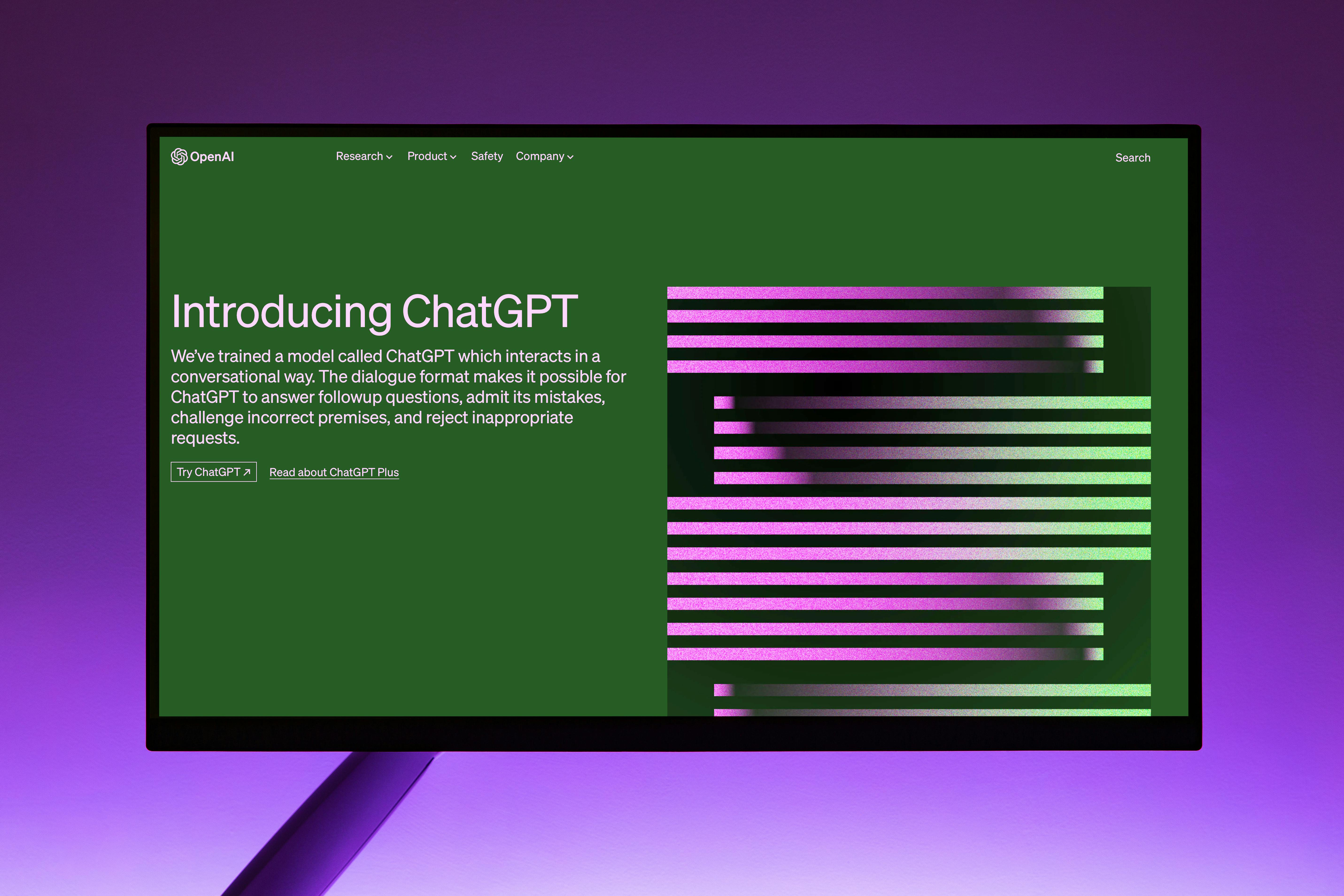
OpenAI just crossed the Rubicon.
After years of Sam Altman publicly hand-wringing about whether advertising would erode trust in ChatGPT, the company officially began testing ads in the U.S. this week — sponsored placements appearing below responses for free and Go tier users. Adweek confirmed a $200,000 minimum ad commitment for beta advertisers.
The irony wasn't lost on anyone: Anthropic's Super Bowl ads literally mocked the concept days before the rollout.
But here's the thing most of the hot takes are missing… this isn't just a story about OpenAI's revenue strategy.
This is a fundamental restructuring of how brands get discovered — and for startups operating on lean budgets, the implications are enormous.
ChatGPT processes over 2.5 billion prompts per day across 800+ million weekly active users.
That's not a chatbot anymore.
That's a search engine, a recommendation engine, and now — an ad platform — all wrapped in a conversational interface that users trust more than traditional search results.
The question isn't whether this changes things. It's whether you're positioned to benefit from the chaos — or get buried by it.
The Trust Shift Nobody's Talking About
Let's be honest about what just happened.
The single most compelling feature of AI search was its perceived neutrality.
When someone asked ChatGPT for a product recommendation, the implicit promise was: this answer isn't for sale.
That promise just got complicated.
OpenAI insists ads won't influence ChatGPT's responses — that answers remain optimized for what's most helpful, with sponsored content clearly labeled and visually separated. But The Information reported internal conversations about giving sponsored results preferential treatment over non-sponsored ones. Whether or not that materializes, the perception shift is already underway.
And perception is the whole game.
A 2025 Attest survey found that 40% of consumers trust AI-generated search results more than traditional organic results, and 41% trust them more than paid search ads. That trust premium — the very thing that made AI search so valuable for discovery — is now at risk.
Here's where it gets interesting for startups: IAB research shows the perception gap between advertisers and consumers is actually widening. 82% of ad executives believe consumers feel positive about AI-generated ads, while only 45% of consumers actually do. Gen Z is even more skeptical, with 39% reporting negative sentiment toward AI ads — nearly double the rate of Millennials.
This creates a split.
Users who pay for Plus or Pro subscriptions — which remain ad-free — will continue getting unfiltered recommendations. Free tier users will start wondering whether that software recommendation came from genuine helpfulness or a $200K ad buy.
The brands that invested early in being genuinely citation-worthy?
They just gained a massive trust advantage. The ones planning to buy their way into AI responses? They're about to discover that conversational trust is much harder to purchase than a keyword bid.
Why Startups Actually Have the Advantage
Here's the contrarian take that'll make the enterprise marketing teams uncomfortable: the introduction of ads into ChatGPT is disproportionately good for startups.
Not because startups can outspend incumbents on ChatGPT ads — they obviously can't, especially at a $200,000 minimum commitment. But because the playbook for earning organic visibility in AI responses rewards exactly the things startups are naturally good at… speed, authenticity, and specificity.
Consider the math. Google's ad revenue is projected to exceed $300 billion in 2026, with average CPCs of $4.22 and most small businesses spending $1,000 to $10,000 per month just to compete. Now add ChatGPT to the paid media mix and you're looking at an even more fragmented budget fighting for attention across even more surfaces.
But organic citations in AI responses?
Those are still free. And research from Princeton demonstrates that GEO (Generative Engine Optimization) techniques can boost visibility by up to 40% in AI-generated responses — through tactics like including original statistics, structured formatting, and authoritative sourcing that don't require a media budget.
The advantage compounds when you consider how AI systems select sources. Once an LLM identifies a trusted source, it reinforces that choice across related prompts, creating winner-takes-most dynamics. The startup that builds citation authority in a specific niche today becomes the default recommendation tomorrow — and no amount of ad spend from a late-moving competitor can easily displace that earned trust.
Meanwhile, AI search visitors convert at 4.4x the rate of traditional organic traffic. These aren't casual browsers — they're people who've already been pre-qualified by the AI's recommendation. When ChatGPT cites your startup as the solution, the user arrives at your site with intent that no ad placement can replicate.

The New Content Strategy Stack for AI Discovery
The introduction of ads doesn't just change the competitive landscape — it changes the strategy. Here's the framework that actually works in a world where AI responses mix organic citations with paid placements.
🧠 Build Citation Authority, Not Just Rankings
The old game was ranking on page one. The new game is being the source AI systems cite when answering questions in your category. This means creating comprehensive, data-rich content that LLMs can confidently reference — content with clear hierarchical formatting is 28-40% more likely to be cited than unstructured pages. Think answer kits, not blog posts. Think definitive resources, not content calendars filled with thin pieces.
📊 Lead With Original Data and Research
In an ad-supported AI environment, the content that can't be replicated by a sponsored placement becomes exponentially more valuable. Original research, proprietary benchmarks, and first-party data create what ads fundamentally cannot: verifiable claims that AI systems use to support their answers. Content featuring original statistics sees 30-40% higher visibility in LLM responses. This is your moat.
🔗 Own Your Entity, Not Just Your Keywords
With ads entering the AI interface, entity authority becomes the new differentiator. AI systems need to distinguish between paid recommendations and genuinely authoritative sources — and they do this through entity recognition across platforms. Your brand needs consistent information on your website, LinkedIn, industry databases, and published content. Entity-based optimization has driven 61% organic growth in eight months for companies that prioritize it over pure keyword targeting.
⚡ Prioritize Content Velocity Over Perfection
Semrush data shows an 800% year-over-year increase in referrals from LLMs. The window for establishing yourself as the default citation in your category is closing. Companies that can move from strategy to published, optimized, distributed content in days — not months — have a structural advantage. This isn't about churning out content for content's sake. It's about building topical authority faster than the ad dollars can follow.
What This Means for Your Marketing Budget
Let's talk money, because this is where the real strategic decisions live.
If you're a startup spending $3,000-$10,000 per month on marketing, you now face a three-front war: traditional Google Ads (where CPCs continue rising), social media advertising (where Meta just reported $58 billion in Q4 ad revenue alone and costs aren't going down), and now potentially ChatGPT ads.
You cannot win a budget war against companies spending $200K on a beta ad test. Full stop.
But you can win the organic war — and the data says the organic war is actually more valuable. BCG research found that shopping-related GenAI use grew 35% between February and November 2025, with 56% of U.S. consumers now using AI chatbots to compare options and find recommendations. These users trust organic AI recommendations precisely because they haven't been bought.
The smart budget allocation in this new reality looks something like this: invest 60-70% of your content budget into building citation-worthy assets that earn organic AI visibility, 20-30% into distribution and amplification, and 10% into testing paid channels where you have a genuine competitive edge.
The days of putting most of your budget into ads and hoping the funnel works are over — not because ads don't work, but because the trust economics of AI discovery fundamentally favor earned authority over purchased attention.
By late 2027, AI search channels are projected to drive economic value equal to traditional search. The startups that build their organic AI presence now won't need to buy their way into recommendations later. The ones that wait will be competing against both incumbents' ad budgets and early movers' compounding citation authority.

Content as the Last Organic Moat
We've been here before. Google started as a pristine search experience. Then came AdWords. Then sponsored results crept higher and higher until 94% of users learned to skip paid ads entirely. The valuable real estate became organic — and the companies that invested in SEO early built decade-long competitive advantages.
The same pattern is starting in AI search, but accelerated.
ChatGPT went from zero to 800+ million weekly active users faster than any platform in history. Ads arrived in under three years. And zero-click searches have surged from 56% to 69% since AI Overviews launched — with 93% of AI Mode searches ending without any click at all.
In this environment, content isn't just a marketing channel. It's the primary mechanism through which your brand exists in AI-mediated conversations. Every piece of genuinely helpful, well-structured, data-rich content you publish is training AI systems to recognize you as an authority. Every month you delay is another month your competitor is building that authority instead.
The companies that treated content as an expense are the same ones now panicking about buying their way into AI visibility. The companies that treated content as infrastructure — as a compounding asset that builds authority over time — are the ones sitting in the citation seat right now, watching the ad-dependent players scramble to catch up.
ChatGPT having ads doesn't change the fundamental truth we've been preaching since day one: in a world drowning in noise, the brands that create genuinely valuable content — content that earns trust rather than purchases it — will always have the last organic moat.
The question is just whether you're building it, or still waiting for the perfect time to start.
FAQs
Will ChatGPT Ads Affect Organic AI Citations?
OpenAI states that ads won't influence the answers ChatGPT provides — responses are optimized based on helpfulness, and ads appear as clearly labeled sponsored placements below the organic response. However, the perception of neutrality is shifting. For startups, the strategic response is the same either way: invest in becoming the source AI systems cite organically, so your brand appears in the answer itself rather than competing for the sponsored slot below it. Research shows GEO techniques can boost visibility by up to 40% in AI-generated responses.
How Much Do ChatGPT Ads Cost?
OpenAI is currently running a tightly controlled beta with a $200,000 minimum commitment for select advertisers. Some clients were approached for $250,000 commitments. The company plans to introduce additional ad formats and buying models over time, but for now, this is firmly enterprise territory — well beyond the reach of most startup marketing budgets. This makes organic GEO strategy even more critical for early-stage companies.
What Is GEO and Why Does It Matter More Now?
Generative Engine Optimization (GEO) is the practice of optimizing content to appear in AI-generated responses from platforms like ChatGPT, Perplexity, and Google AI Overviews. With ads entering the AI search interface, the distinction between earned and paid AI visibility becomes critical. GEO focuses on building genuine citation authority through structured content, original data, entity consistency, and comprehensive topic coverage — the factors that determine whether AI systems cite you in their organic responses.
How Do I Know if My Brand Is Being Cited by AI?
Track AI visibility through a combination of manual sampling — regularly querying ChatGPT, Claude, and Perplexity with your target buyer questions — and specialized tools like Semrush's AI SEO Toolkit or Profound for citation monitoring. Key metrics include citation frequency, attribution quality, competitive share of voice, and whether citations include your brand name or specific content. Set up a monthly cadence of checking at least 20-30 core queries across multiple AI platforms.
Should Startups Advertise on ChatGPT?
For most seed-to-Series A startups, the $200K minimum makes ChatGPT ads impractical today. But even when lower-budget options become available, the better strategic play is investing in organic citation authority. AI search visitors convert at 4.4x the rate of traditional organic traffic, and once an LLM identifies a trusted source, it reinforces that choice across related prompts. Building that earned authority now creates compounding advantages that paid placements can't replicate.
Related Resources
Deepen your AI search and content strategy with these resources:
The Future of B2B SaaS Marketing: GEO, AI Search, and LLM Optimization
The GEO Playbook 2026: Getting Cited by LLMs (Not Just Ranked by Google)
Beyond Google: How to Get Your Startup Cited by ChatGPT, Perplexity, and AI Search
Google AI Overviews Optimization: How to Get Featured in 2026
Content Velocity for Startups: How Much Content to Publish (And How Fast)
Content Marketing on a Startup Budget: High-ROI Tactics for Lean Teams
Building Citation-Worthy Content: Making Your Brand a Data Source for LLMs