How to Use Influencer Marketing for Media & Entertainment

Averi Academy
Averi Team
8 minutes

In This Article
Learn how to effectively leverage influencer marketing in the media and entertainment industry to build trust and engage audiences.
Updated:
Trusted by 1,000+ teams
Startups use Averi to build
content engines that rank.
In our fast-shifting media world, influencer marketing is a strong tool for entertainment brands to reach people. Old ads don't hit as hard now, but influencers - trusted voices with active followers - are changing how brands push movies, TV, music, and games. This method works as it feels like a tip from a mate, building lasting fan loyalty.
Key points for doing well:
Set clear goals: Know what you want - awareness, clicks, or sales - and keep track of views, clicks, and buys.
Pick the right influencers: Look for those who share your values and connect well with your crowd, not just those with big numbers. Those with fewer followers (10,000–100,000) often get more real engagement.
Work well together: Mix freedom with clear rules to make sure content stays real and engaging.
Use platforms wisely: Choose TikTok for quick hits, YouTube for deep reviews, and Instagram Stories for real-time shares.
Check and tune results: Use tools like UTM codes and promo codes to see what works and fix plans on the go.
AI tools like Averi AI smooth out this path by aiding brands in finding influencers, planning pushes, and checking results. With smart tips and data tools, systems like Averi make influencer marketing more sharp and strong.
Influencer marketing goes beyond just ads - it builds trust and deep connections in ways old ads can't. By keeping it real and using data smart, media brands can make campaigns that truly touch their viewers.
The New Face of Branded Entertainment and Influencer Marketing - Shannon Pruitt
How to Make Your Influencer Marketing Campaign Work
To start a good influencer marketing plan in the media and show world, you need to plan well and keep an eye on key results for your business.
1. Set Clear Goals
Before talking to influencers, know what you want. Do you want more people to know about you, get more talks, or have more people buy? For example, if you are showing a new series, you might want 500,000 people to see it and 25,000 to watch the trailer in two weeks.
Each goal needs its own check:
For knowing you: look at views and number of times people saw your video.
For talks: count likes, comments, shares, and saves.
For buys: follow click-through rates, sign-ups, or buys linked to the influencer's work.
Once you set your goals, think about who can help you meet them.
2. Find Your People
Know who your people are - where they go, what they like, and who they listen to. This helps you find the right influencers.
Look at your data from social media, streaming, or movie trends. Different types suit different folks. For example:
Gaming: works well with Twitch or YouTube gamers.
Romance books: go with BookTok or lifestyle people.
Documentaries: match with teachers or activists.
Also, think about where your people find new things. Younger ones might use TikTok, while older ones might like YouTube reviews or Instagram tips. This will guide where and how you show your content.
3. Find and Check Influencers
Knowing your folks, find influencers who really click with them. It's not about how many follow them - it's about the right fit.
True reach means more than big numbers. A sci-fi fan will do better for your new space movie than someone just looking for money. Look for people who already talk about your topics.
Look at how active their people are (good is 2–6%). Watch for sudden big follower numbers, same-y comments, or if the love doesn’t seem to match the quality. Tools like Averi AI can look at these things fast.
See how they did with other brands to see if they mix well without being too sales-y.
4. Plan Content and Work Together
For the best results, balance guidance and their own ideas. This makes the content feel right and draws people in.
Different spots need different ways:
TikTok is good for fast views, behind-the-scenes, or new sounds.
YouTube does well with deep reviews, talks, or group chats.
Instagram Stories are great for updates, like at events or shows.
Set clear rules from the start - like when to post, what hashtags to use, and main points. For example, if you're starting a TV show, you may want one big post, three stories, and a hashtag game. Be very clear about times, mainly when you work with release dates.
Give a full plan that talks about the campaign aims, what to talk about, rules for the content, and any must-do legal stuff like FTC rules. Share stuff like good photos, video bits, or press things to help influencers make good content.
When you check content for okay, don't control too much. Big changes can make posts feel fake, which can drop their real feel and how well they work.
5. See and Check Campaign Results
When your campaign is out there, check how it's doing. Use tools like UTM codes, special promo codes, and live reports to see results.
Simple numbers from places can show stuff like reach and views, but to see more, you need extra checks. UTM codes check site visits and actions, while special promo codes can track direct sales or sign-ups from each influencer.
Watch how people react in comments and tags. Real joy and good words often mean more than just numbers when making strong ties with your people.
Keep an eye on how it's going all through the campaign, not just at the end. This lets you change your plan, push content that's doing well, or fix problems fast. For instance, if a post does really well, think about boosting it with paid ads.
At last, tie influencer results to what happens in your business in your reports. Show how influencer posts helped with watching numbers, ticket sales, or sign-ups. This info proves your money was well spent and helps plan better for next time.
Simple Ways to Win at Influencer Marketing
Running influencer events in the media world means doing a lot of things at once - picking the right people, okaying plans, keeping track of how it's going, and talking across groups. The best tools can make these tasks easier, making events work better and get more attention. Let's look at how Averi AI helps media businesses make these jobs smoother.
Influencer marketing tools often come in three types. AI spots like Averi mix new tech with expert know-how to deal with both plans and action. Freelance hubs let you meet creators but make you handle all the bits yourself. On the other side, AI tools help with certain jobs, like making captions, but they don't handle everything.
Averi AI: The AI-driven Marketing Place
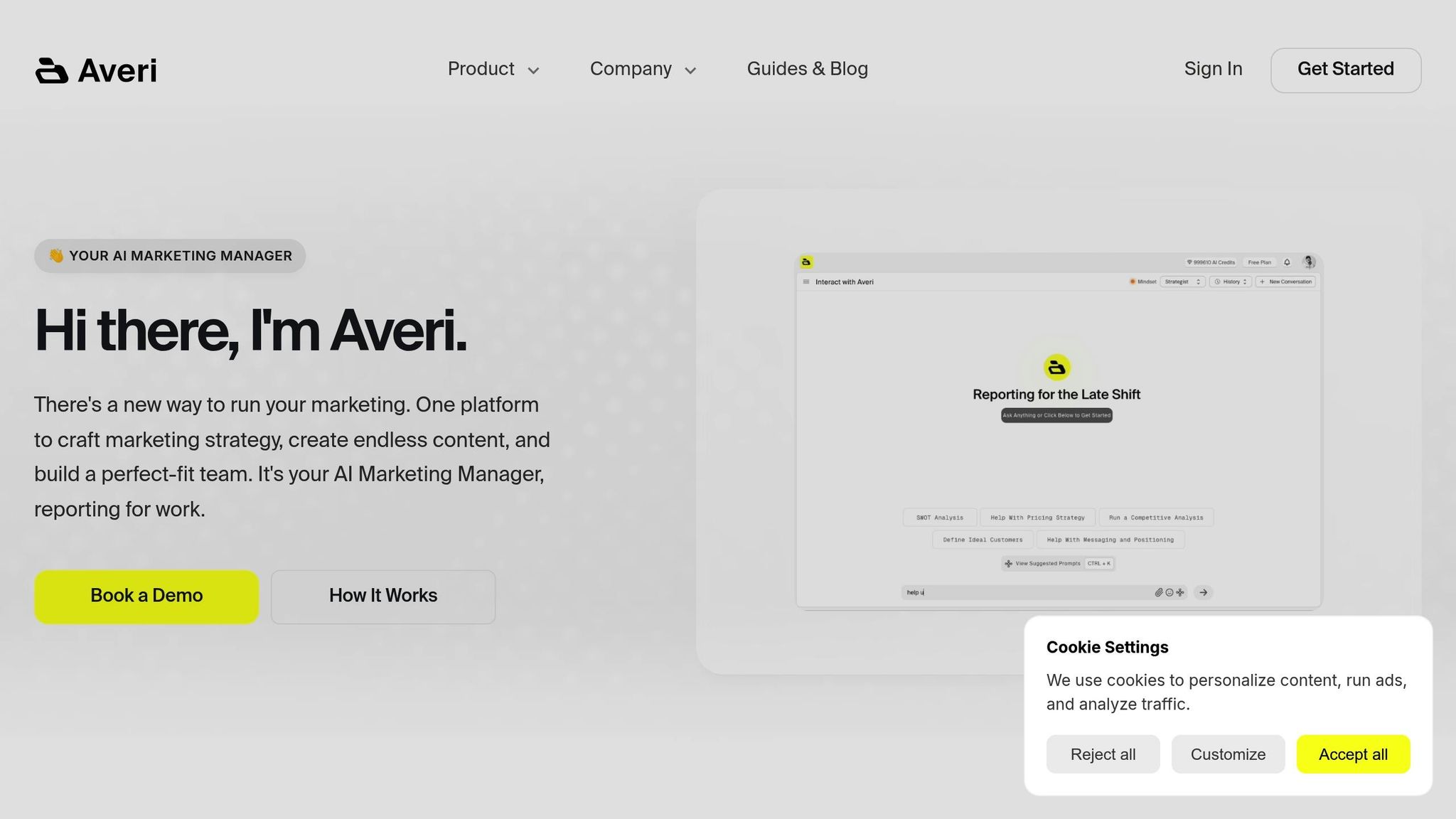
Averi is not just any tool - it's like having a full marketing group that smoothly does both planning and action.
Here's what it does: Averi's Synapse changes its analysis to suit each job, while AGM-2 shapes plans just for media events. The Command Bar shows you what to do next, and Adventure Cards give helpful tips. For big choices - like picking small-time influencers or big stars for a movie launch - Averi's Human Cortex steps in, linking you to expert advice when needed. Easy asks, like writing Instagram captions, wrap up fast, while big plans get careful focus.
AGM-2, made for marketing by Averi, fits its way to the event type. For example, pushing a horror movie needs a very different feel and plan than starting a family-friendly streaming show. It also follows best ways for each platform and keeps your brand safe on its own.
When you need a special expert, Averi's Human Cortex connects you to one of its 2,500+ marketing pros. For instance, if you're starting a mobile game and need someone who knows gaming culture, the system picks the right pro for you.
Keeping your info safe is key. Averi uses strong encryption and follows GDPR rules, making sure your data stays private. By pulling all these parts together, the platform cuts down on work time, keeps quality steady, and boosts the money you get back from influencer events.
Comparing Averi AI with Other Tools
To see why Averi stands out, let's stack it against freelance hubs and other AI tools.
Feature | Averi AI | Freelance Web | AI One Tools |
|---|---|---|---|
How tasks are done | Mixes AI with pros for full runs | You find and lead freelancers | Tools help with one job at a time |
Speed to first outcome | Plans and words ready in hours | Days to weeks (finding and guiding) | Quick, task-only results in minutes |
Check on quality | Fixed brand sound with pro check | Depends on freelancer and your lead | Needs your own checks and fixes |
Run of campaign | Manages the full process | You sort all parts | No lead for full campaigns |
How it’s priced | $45/month for more options | $15–$150+ for each job or person | $20–$100/month each tool |
Works best for | Full drive of campaigns | Filling needs with time to handle | Making one job faster |
Averi shines when you need full plans set up fast. For example, if you're starting a new TV show online and need work from finding online stars to making content and tracking how it does, Averi's all-in-one way saves you time and makes things go smoothly.
Freelance spots do well when you lack some skills and can handle hiring people. For case in point, if you need someone good at making TikTok clips, these sites can link you to the right folks.
AI tools are top for running your own plans but need help with certain jobs, like making fun titles or checking data, to make parts of your work move faster.
The main gap is in how things are handled. Media and fun plans often have tight time limits, many people involved, and hard okay steps. Places like Averi, which handle all the work steps, tend to do better than just using tools and hire help.
How to Get Better Returns: Checking and Boosting Influencer Efforts
To make the most of your influencer efforts, it's key to watch the right signs and use AI tools to shape up your plan. Media and fun brands that eye clear results and use AI tips can see greater returns on what they put in.
Main Signs to Watch for Wins
Engagement rate
This sign shows how your stuff hits with people. For media drives, it's not just likes - look at saves, shares, and story plays to get real deep hits. On Instagram, fun stuff often gets hit rates between 3% and 6%, but results may shift based on follower count and stuff type.
Conversion tracking
Conversions count how many folks do what you hope for, like sign up for a stream service, buy movie tickets, or get a game. Using special promo codes or track links for each influencer lets you spot which pair-ups work best. Remember to watch both quick and late conversions (often in 7–30 days).
Brand feel check
It’s more than numbers - how do folks think of your brand after seeing influencer stuff? Looking at comments, mentions, and hashtags can help you see shifts in how folks see you and push good talk.
Reach and views
While reach and views count how many see your stuff, the real aim should be on real reach - how many of those watchers really play along. A smaller, but tightly hooked crowd often does better than a big but weak one.
Cost per get (CPA)
CPA is found by splitting your full drive cost by the number of conversions. For instance, stream services often aim for a CPA between $15–$25, while mobile games may aim for $5–$15 based on their worth over time. These checks are key for putting in AI-driven boosts.
Using AI to Lift Drives
Once you’ve set your signs, AI tools can turn plain data into steps to take. By seeing trends, AI helps you fine-tune your influencer picks and drive moves. For instance, Averi’s AGM-2 model studies past outcomes to guess which influencers and stuff types will do best. It looks into crowd types and hit trends to give clear tips.
Averi’s Synapse system goes a step further by making your work smooth. It points out which stuff styles hit best with your crowd, making it easy to tweak your influencer needs for stronger results. This kind of know-how makes sure your drives fit what your crowd wants.
Predictive checks are key too. By studying past team-ups, crowd mixes, and hit data, AI can guess which influencers are likely to give the best ROI. This lets you use your money more wisely, eyeing team-ups with the most promise.
AI tools also give snap insights, letting you change stuff styles or post times right as the drive goes. With Averi’s Command Bar, these insights come up on their own, making sure you can act fast to push up impact.
Lastly, a full check on who is into your stuff shows you who really cares. This may show you new groups you didn’t think of before, making way for new team-ups in coming plans.
End Words: Picking the Best Way to Market with Influencers
Getting it right with influencer marketing in media asks for three big things: good planning, the best tools, and keeping it sharp. Top brands don’t just hope for good results - they choose creators wisely to meet their aims.
Good planning is key. Brands need to start with clear goals, like getting more people to stream, selling more movie seats, or pushing a new release. If they don't really know their goals and who they want to reach, even the most creative plans might fail. The best ones look for influencers whose followers truly fit what they offer, putting quality over just large numbers of followers. This makes sure plans are set to go right.
With a plan ready, the best tools can change how these plans play out. Now, 92% of brands use AI to help [2]. Tools like Averi AI let campaigns move fast and well. These tools do the hard work, so people can focus on big choices that matter.
Still, just having tools isn't enough. Winning also needs watching how things go and getting better all the time. Data shows 80% of brands kept or raised their influencer budgets in 2025, with many upping them by over 11% [2]. Good results come when brands keep an eye on things like how many people are involved, how many buy, and costs. Making changes as things happen can push a plan from okay to great.
Brands are also now choosing small to mid-sized creators more. In fact, 73% like these links because they give back a lot in engagement for what they cost [2]. For media brands, this means they can work with real voices that really speak to smaller groups - just what’s needed for more streams and ticket sales.
Top brands see influencer marketing as a way that works every step of the way [1]. From first making people aware to getting them to buy, influencers help at each step. By mixing careful planning, clever tech, and endless bettering, brands can make plans that catch eyes and make real gains.
FAQs
How do I pick the right people to promote my media and entertainment campaign to get more involvement?
To find the top people for your media and entertainment push, think of how well they fit over just their number of followers. Go for those whose fans match well with the people you want to reach and whose posts really show what your brand is about.
Look for those with high engagement rates and real talks with their followers. This often tells more about their true pull than just the number of people who follow them. Spend time checking their trust by looking at their past work, how open they are, and how well they keep making good posts.
By keeping it real and well-matched, you can make deep links with your viewers and spark real involvement.
What are the best ways to check if influencer marketing campaigns are doing well?
To know if your influencer marketing work is doing good, tools like Upfluence, Traackr, and HypeAuditor are key. These help you see important things like engagement rates, reach, impressions, and conversions. By looking at this data, you can find out what's good and see chances to make your plans better.
Also, tools like Google Analytics can give you more info on site visits and conversions made by your influencer links. When you mix these insights, you're set to make smart choices based on data, giving you a clear view of how much your campaign helps and its total effect.
How can TV and web show brands keep a good mix of what stars can make and what they must stick to, while keeping the show real?
It's key for TV and web shows to mix what their stars can create and the rules they need to follow assuring the show stays true, connects well, and builds trust. The main way is to set rules that are clear but can change. They should show what your show is about, what matters to it, and what goal it has, all while giving stars room to put in their own touch. This way, the show keeps its heart but still feels real and fun.
Letting stars tell their tales in their styles often hits home more with those who watch them, making a stronger tie. Talking often is just as key - going over what each side expects keeps things smooth without losing the real feel. Working together in this way not only keeps the show real but also draws viewers in more and keeps them loyal longer.
Related Blog Posts

Zach Chmael
CMO, Averi
"We built Averi around the exact workflow we've used to scale our web traffic over 6000% in the last 6 months."
Your content should be working harder.
Averi's content engine builds Google entity authority, drives AI citations, and scales your visibility so you can get more customers.