Jan 7, 2026

ChatGPT vs. Perplexity vs. Google AI Mode: The B2B SaaS Citation Benchmarks Report (2026)

Zach Chmael

Head of Marketing

In This Article

Our analysis of 680 million citations across ChatGPT, Google AI Overviews, and Perplexity reveals dramatically different source preferences, content requirements, and optimization strategies for each platform. This report delivers the benchmarks, data, and tactical frameworks you need to get cited where your buyers actually search.

Updated

Jan 7, 2026

Don’t Feed the Algorithm

The algorithm never sleeps, but you don’t have to feed it — Join our weekly newsletter for real insights on AI, human creativity & marketing execution.

TL;DR:

ChatGPT Wins:

  • Wikipedia-style comprehensive, factual content

  • Strong branded domain authority

  • Statistics with proper attribution

  • 120-180 word sections with clear hierarchical structure

  • Updated content with visible recency signals

Perplexity Wins:

  • Reddit community presence and validation

  • Real-time freshness signals

  • Comparison tables with extractable data

  • 40-60 word lead paragraphs with direct answers

  • Authentic expertise over institutional authority

Google AI Wins:

  • Traditional SEO foundation (top-10 rankings required)

  • Multi-modal content (text + images + video)

  • Comprehensive schema markup

  • E-E-A-T signals throughout

  • Cross-platform entity consistency

Universal Requirements:

  • Statistics with methodology and sources

  • Hierarchical heading structure (H1→H2→H3)

  • Extractable answer blocks (40-60 words)

  • Regular content updates

  • Brand mentions across 4+ platforms

ChatGPT vs. Perplexity vs. Google AI Mode: The B2B SaaS Citation Benchmarks Report (2026)

B2B software buyers have entirely changed how they research solutions.

73% of B2B buyers now use AI tools like ChatGPT and Perplexity in their research process, yet most B2B SaaS companies optimize for a single platform, or worse, assume all AI engines work the same way.

They don't.

Our analysis of 680 million citations across ChatGPT, Google AI Overviews, and Perplexity reveals dramatically different source preferences, content requirements, and optimization strategies for each platform.

The B2B SaaS companies winning AI visibility in 2026 aren't just "doing GEO"… they're running platform-specific playbooks that match content architecture to each engine's citation patterns.

This report delivers the benchmarks, data, and tactical frameworks you need to get cited where your buyers actually search.

For a foundational understanding of these concepts, see our definitions for GEO Search, LLM Optimization, and AI Overviews.

The Three-Platform Reality: Why One-Size-Fits-All GEO Fails

Here's what most GEO guides won't tell you: optimizing for "AI search" as a monolithic category is like optimizing for "social media" without distinguishing between LinkedIn and TikTok.

Analysis of 680 million citations reveals drastically different citation patterns between the three dominant AI platforms:

Platform

Primary Source

Secondary Sources

Content Preference

ChatGPT

Wikipedia (47.9% of top 10)

Branded domains, academic sources

Encyclopedic, factual, well-structured

Perplexity

Reddit (46.7%)

Wikipedia, authoritative publications

Real-time, community-validated, comprehensive

Google AI Overviews

YouTube (23.3%)

Wikipedia (18.4%), Reddit (21%)

Multi-modal, diversified, traditionally ranked

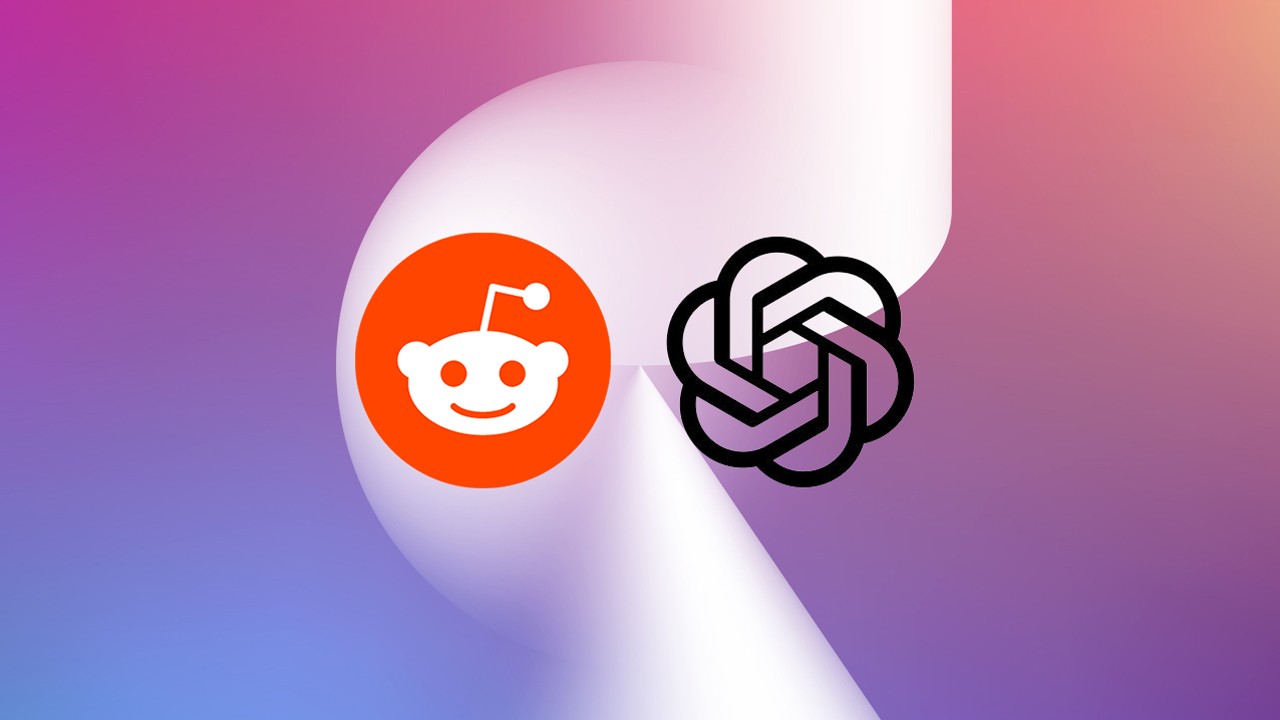
Only 11% of domains are cited by both ChatGPT and Perplexity.

That's not overlap, that's entirely different ecosystems requiring different optimization strategies.

For B2B SaaS companies, this means your SEO-optimized blog post might dominate Google AI Overviews while being completely invisible in ChatGPT responses. Or your Reddit engagement strategy might drive Perplexity citations while doing nothing for your Google visibility.

The solution isn't choosing one platform.

It's understanding each platform's citation architecture and creating content that performs across all three.
Platform Deep Dive #1: ChatGPT Citation Benchmarks

The Numbers That Matter

ChatGPT processes 3+ billion prompts monthly and has become the default research assistant for a growing segment of B2B buyers. ChatGPT now refers around 10% of Vercel's new user signups, up from 4.8% the previous month and 1% six months ago.

Citation Source Distribution:

Source Type

% of Total Citations

% of Top 10 Share

Wikipedia

7.8%

47.9%

Reddit

2.1%

12.9%

YouTube

1.4%

8.6%

Branded Domains

Varies

Growing

Academic Sources

1.2%

7.4%

Source: Profound analysis of 680M citations, Aug 2024-June 2025

What ChatGPT Actually Wants

September 2025 research from Zenith analyzing ChatGPT's citation patterns for non-branded B2B queries reveals a fundamental shift in authority signals:

ChatGPT favors direct sources over intermediaries:

  • Competitor websites: +11.1 points higher citation rate vs. Google

  • Company's own website: +3.0 points higher citation rate vs. Google

  • Encyclopedic sources: +3.1 points higher citation rate

  • Academic sources: +1.4 points higher citation rate

  • Industry publications: -4.8 points (declining)

  • Discussion forums: -7.9 points (declining as primary sources)

The key insight: ChatGPT prefers getting information directly from the source or from content dedicated to objective fact, rather than from intermediary commentators.

For B2B SaaS, this means your product documentation, comparison pages, and official guides matter more than third-party reviews.

ChatGPT Content Requirements

SE Ranking's analysis of 129,000 unique domains across 216,524 pages identified specific content characteristics that predict citation probability:

Structural Factors:

Authority Signals:

Counter-Intuitive Findings:

  • Question-style headings underperform straightforward headings (3.4 citations vs. 4.3)

  • Broad, topic-describing URLs outperform keyword-optimized ones

  • Pages with FAQ sections showed slightly fewer citations (3.8) than those without (4.1)—but this reflects FAQs appearing on simpler support pages

B2B SaaS-Specific ChatGPT Benchmarks

For B2B SaaS queries specifically, ChatGPT shows distinct patterns:

Most-Cited Page Types:

  1. "Best X" listicles: 43.8% of all page types cited

  2. Comprehensive comparison guides

  3. Official product documentation

  4. Pricing and feature breakdowns

  5. Implementation guides

Citation Timing:

ChatGPT Optimization Checklist for B2B SaaS

✅ Create definitive "Best [Category] for [Use Case]" guides from an objective perspective

✅ Maintain comprehensive, up-to-date product documentation

✅ Structure content with 120-180 word sections between headers

✅ Use descriptive, topic-focused URLs (not keyword-stuffed)

✅ Build genuine brand authority through mentions on 4+ platforms

✅ Include statistics with proper attribution and methodology notes

✅ Update content regularly with visible "last updated" timestamps

✅ Ensure Wikipedia/Wikidata presence if you meet notability requirements
Platform Deep Dive #2: Perplexity Citation Benchmarks

The Numbers That Matter

Perplexity captures 15.10% of AI traffic and is growing 25% every four months. In the US specifically, it captures nearly 20% of AI traffic, making it impossible to ignore for B2B SaaS companies targeting American buyers.

Unlike ChatGPT, which draws from training data supplemented by search, Perplexity searches the web in real-time against a proprietary index of 200+ billion URLs.

Every query triggers fresh retrieval, making optimization more dynamic… and more opportunity-rich.

Citation Source Distribution:

Source Type

% of Total Citations

% of Top 10 Share

Reddit

6.6%

46.7%

Wikipedia

2.8%

19.8%

YouTube

1.9%

13.4%

News Sites

Varies

Growing

Product Sites

Varies

Growing

Source: Profound analysis of 680M citations, Aug 2024-June 2025

The Reddit Factor

Reddit accounts for 46.7% of Perplexity's top citations, nearly 2x more than Wikipedia.

This isn't a bug; it's a feature.

Perplexity explicitly values community-validated, real-world insights over institutional authority. For a deep dive on leveraging this, see Reddit SEO for B2B SaaS: Building Citations AI Systems Trust.

For B2B SaaS, this creates both challenge and opportunity:

Challenge: You can't buy or manufacture Reddit credibility Opportunity: Authentic expertise-sharing in relevant subreddits builds compound citation equity

Users spend an average of 9 minutes on sites referred by Perplexity, compared to 8.1 minutes for Google referrals. These aren't casual browsers. They're engaged researchers who've already validated your authority through Perplexity's synthesis.

What Perplexity Actually Wants

Perplexity's real-time retrieval architecture means freshness matters enormously:

Content Freshness Signals:

Structural Preferences:

Citation Accuracy:

B2B SaaS-Specific Perplexity Benchmarks

High-Citation Content Types:

  1. Comparison articles ("X vs Y for [Use Case]")

  2. Pricing breakdowns with specifics

  3. Implementation guides with step-by-step detail

  4. Reddit threads with genuine expert participation

  5. Case studies with quantified results

Traffic Quality:

Perplexity Optimization Checklist for B2B SaaS

✅ Create detailed comparison content ("X vs Y: Complete 2026 Comparison")

✅ Include specific pricing, features, and use case guidance

✅ Maintain active, helpful presence in relevant subreddits (authentic participation, not promotion)

✅ Update high-value content monthly with fresh statistics

✅ Structure answers with clear, extractable lead paragraphs (40-60 words)

✅ Use comparison tables with descriptive column headers

✅ Include methodology notes and sample sizes for any data claims

✅ Build content for Perplexity's Focus modes (Academic, Reddit-specific)
Platform Deep Dive #3: Google AI Overviews & AI Mode Citation Benchmarks

The Numbers That Matter

Google AI Overviews now appear in 16-25% of all searches depending on the query type, reaching 1.5 billion users monthly across 200+ countries.

Google AI Mode, the conversational interface that represents Google's vision for the future of search, shows even more dramatic citation patterns.

Around 93% of AI Mode searches end without a click, more than twice the zero-click rate of traditional AI Overviews.

For strategies on winning in this environment, see our guide on Zero-Click SEO: How to Win When Users Don't Click Through.

Google AI Overviews Citation Distribution:

Source Type

% of Total Citations

YouTube

~23.3%

Wikipedia

~18.4%

Google.com properties

~16.4%

Reddit

~21% (in AI Overviews specifically)

Amazon

Varies by query type

Source: Surfer AI Tracker analysis of 36M AI Overviews, March-August 2025

The Great Divergence: AI Overviews vs. AI Mode

Ahrefs' September 2025 analysis reveals a critical finding most marketers miss: AI Overviews and AI Mode cite the same URLs only 13.7% of the time.

Key Differences:

Factor

AI Overviews

AI Mode

Citation overlap

13.7% with AI Overviews

Wikipedia citation rate

18.1%

28.9%

Quora citation rate

Lower

3.5x higher

Video content preference

2x higher

Lower

Average response length

~50 words

~300 words

Zero-click rate

~43%

~93%

Despite citing different sources (13.7% overlap) and using different words (16% overlap), both systems reach semantically similar conclusions 86% of the time.

They independently research queries and formulate responses, meaning you need visibility in both ecosystems.

What Google AI Actually Wants

Analysis of 15,847 AI Overview results across 63 industries identifies seven ranking factors for 2026:

1. Semantic Completeness (r=0.89 correlation) Content scoring above 8.5/10 on self-contained answer ability is 4.2x more likely to appear

2. Multi-Modal Content Integration (r=0.92 correlation) The #1 NEW ranking factor—78% of featured sources include text, images, videos, and structured data working together

3. Real-Time Factual Verification 89% increase in selection probability when claims can be cross-referenced against authoritative databases

4. E-E-A-T Signals 96% of AI Overview citations come from sources with strong E-E-A-T signals

5. Entity Density Pages with 15+ recognized entities show 4.8x higher selection probability. Building topical authority and entity authority requires systematic entity coverage across your content.

6. Traditional SEO Foundation 92.36% of AI Overview citations come from domains ranking in the top 10

7. Schema Implementation 47% higher AI citation rates for comparison tables using proper structured data

B2B SaaS-Specific Google AI Benchmarks

Industry-Specific AI Overview Appearance Rates:

  • Science/Technology: 25.96% of searches

  • Computers & Electronics: 17.92% of searches

  • Business Software (B2B SaaS): Growing category

Citation Distribution by Query Intent:

  • For unbranded objective queries: First-party websites and local pages make up nearly 60% of citations

  • For branded queries: Listings and reviews dominate

  • Retail relies on owned websites at 47.6%; Finance at 48.2%

The CTR Impact:

  • Organic CTR dropped 61% (from 1.76% to 0.61%) for queries with AI Overviews

  • BUT: Brands cited in AI Overviews earn 35% more organic clicks and 91% more paid clicks

  • Being cited matters more than ranking

Google AI Optimization Checklist for B2B SaaS

✅ Maintain strong traditional SEO foundation (you need top-10 rankings to be cited)

✅ Implement comprehensive schema markup (FAQPage, HowTo, Article, Organization)

✅ Create multi-modal content (text + images + video + structured data)

✅ Build cross-platform entity consistency (Wikipedia, Wikidata, LinkedIn, G2)

✅ Include 15+ recognized entities per comprehensive page

✅ Structure for both AI Overviews (concise) and AI Mode (comprehensive)

✅ Update content regularly to pass real-time verification

✅ Focus on E-E-A-T signals: author bios, credentials, cited sources

The Cross-Platform Content Framework

Content That Wins Everywhere

Despite platform-specific differences, our analysis reveals content characteristics that drive citations across all three platforms:

Universal Citation Drivers:

Factor

ChatGPT Impact

Perplexity Impact

Google AI Impact

Statistics with sources

+22-28% visibility

+30% citation rate

High

Hierarchical headings

+40% citation rate

Essential

Essential

40-60 word lead paragraphs

Optimal extraction

Optimal extraction

Optimal extraction

Comparison tables

High preference

Priority treatment

+47% citation rate

Author credentials

Growing importance

Growing importance

E-E-A-T requirement

Recency signals

+95 position boost

+30% citations

Verification factor

The Universal Content Template:

[H1: Direct Answer to Primary Question]

[40-60 word lead paragraph with definitive answer including 1-2 statistics]

[H2: Supporting Context]
[120-180 word section with structured information]

[Comparison Table with clear headers]
| Factor | Option A | Option B | Option C |
|--------|----------|----------|----------|
| Key metric 1 | Value | Value | Value |
| Key metric 2 | Value | Value | Value |

[H2: Detailed Breakdown]
[Multiple H3 sections, each with 120-180 words]

[FAQ Section with Question-based H3s]
[Direct answers in first sentence of each response]

Content Velocity Benchmarks

Analysis of B2B SaaS companies with strong AI visibility reveals consistent content velocity patterns:

Visibility Level

Monthly Content Volume

Expert Hours per Piece

Low AI visibility

1-4 pieces

4+ hours

Moderate visibility

4-8 pieces

2-4 hours

High visibility

8-12+ pieces

1-2 hours (with AI assistance)

The companies dominating AI citations aren't just publishing more, they're publishing more efficiently through AI-assisted workflows that maintain quality while increasing velocity.

Content repurposing plays a key role, learn how to turn 1 piece into 20 assets to maximize your citation surface area.

B2B SaaS Category-Specific Benchmarks

Software Category Citation Patterns

Different B2B SaaS categories show distinct citation patterns across platforms.

For comprehensive strategies, see The 2026 B2B SaaS Marketing Playbook: From Seed to Series A.

Marketing Technology:

  • ChatGPT: Favors comprehensive feature comparisons and pricing guides

  • Perplexity: Heavy Reddit influence; authentic community discussions matter

  • Google AI: Strong traditional SEO correlation; established brands dominate

HR & People Tech:

  • ChatGPT: Implementation guides and compliance documentation perform well

  • Perplexity: Employee experience discussions and workplace culture content

  • Google AI: Policy-focused content; government and authoritative sources

FinTech & Financial Services:

Developer Tools & Infrastructure:

  • ChatGPT: Documentation, Stack Overflow presence, GitHub activity

  • Perplexity: Technical Reddit communities (r/programming, r/webdev)

  • Google AI: YouTube tutorials and technical documentation

Competitive Citation Analysis Framework

To benchmark your AI visibility against competitors:

1. Manual Platform Sampling (Weekly) Query each platform with your 10-20 highest-value keywords. Document:

  • Which brands appear in responses

  • Citation position (primary vs. supporting)

  • Content type cited (your site vs. third-party)

  • Sentiment of mention

2. Share of Voice Calculation

Track monthly to identify trends.

3. Citation Quality Score Weight citations by:

  • Primary source (3 points)

  • Supporting citation (2 points)

  • Mentioned without link (1 point)

  • Negative mention (-1 point)

The Platform-Adaptive Content Engine

How Averi's Workflows Optimize for Each Platform

Creating content that performs across ChatGPT, Perplexity, and Google AI requires systematic optimization at every stage, not post-publication tweaking.

This human-in-the-loop marketing approach combines AI efficiency with human expertise.

Averi's AI-powered content engine applies platform-specific optimization automatically through the content creation process:

For ChatGPT Optimization:

  • Research-first drafting that incorporates statistics and authoritative citations

  • Structured output with optimal section lengths (120-180 words between headers)

  • Topic-focused URL recommendations over keyword-stuffed alternatives—see Topic Clusters for SaaS

  • Cross-platform brand mention tracking and entity consistency

For Perplexity Optimization:

  • Real-time data integration with fresh statistics and "last updated" signals

  • Comparison table generation with extractable formats

  • Lead paragraph optimization (40-60 word direct answers)

  • Reddit discussion research for community-validated angles

For Google AI Optimization:

  • Multi-modal content suggestions (text + visual + video integration points)

  • Schema markup recommendations (FAQPage, HowTo, Article)

  • E-E-A-T signal integration (author credentials, source citations)

  • Entity density analysis with recommendations for improvement

The Execution Advantage: Most B2B SaaS teams understand GEO conceptually but lack the specialized execution capability to create platform-optimized content at scale. Averi's Synapse architecture connects AI workflows with vetted human experts across technical SEO, content strategy, and digital PR—the exact combination needed for cross-platform citation authority.

The result: content that ships in days rather than months, automatically optimized for all three major AI platforms.

Implementation Roadmap: 90 Days to Cross-Platform Visibility

For a complete content engine framework, see How to Build a Content Engine That Runs Without You.

Days 1-30: Audit and Foundation

Week 1: Platform-Specific Audit

  • Query ChatGPT, Perplexity, and Google (with AI Overview) using your 20 highest-value keywords

  • Document current citation presence (or absence) for each

  • Identify which competitors appear consistently

  • Note content types being cited

Week 2: Content Gap Analysis

  • Map competitor citations by content type

  • Identify missing content categories (comparisons, pricing guides, implementation docs)

  • Prioritize based on citation frequency and business value

Week 3: Technical Foundation

  • Implement schema markup across key pages (FAQPage, HowTo, Article, Organization)—see Technical SEO for Early-Stage Startups

  • Audit and optimize heading structure (H1→H2→H3 hierarchy)

  • Ensure "last updated" timestamps are visible and accurate

  • Check cross-platform brand consistency (Wikipedia, Wikidata, LinkedIn, G2)

Week 4: Content Template Development

  • Create platform-optimized templates based on universal citation drivers

  • Establish section length guidelines (120-180 words between headers)

  • Define lead paragraph format (40-60 word direct answers with statistics)

  • Build comparison table templates with extraction-friendly structure

Days 31-60: Content Creation Sprint

Week 5-6: High-Priority Content Development

  • Create 4-6 pieces targeting highest-value keywords

  • Focus on content types with proven citation rates (comparisons, comprehensive guides)

  • Include 25-40 hyperlinked statistics per piece

  • Implement all structural optimization (headers, tables, FAQ sections)

Week 7-8: Multi-Modal Enhancement

  • Add visual elements to text content (charts, infographics, screenshots)

  • Create supporting video content for highest-value pages

  • Update schema markup to reflect multi-modal elements

  • Build internal linking structure connecting related content

Days 61-90: Distribution and Optimization

Week 9-10: Platform-Specific Distribution

Week 11-12: Measurement and Iteration

  • Re-query all platforms with target keywords

  • Document citation changes

  • Calculate Share of Voice improvement

  • Identify winning patterns to replicate

  • Plan next content sprint based on results

Measuring Success: The New AI Visibility Metrics

Beyond Rankings and Traffic

Traditional SEO metrics—rankings, traffic, CTR—tell an incomplete story in the AI era.

64% of marketing leaders are unsure how to measure success in AI search. Traditional marketing attribution models weren't built for AI-driven discovery.

The Citation Economy Scorecard:

Metric

What It Measures

How to Track

Citation Frequency

How often you're mentioned across AI platforms

Manual sampling + tools like Otterly.AI, Profound

Share of Voice

Your citations vs. competitors for target queries

Weekly keyword sampling, document all results

Attribution Quality

Whether citations include brand name, URL, content reference

Qualitative review of actual citations

Citation Position

Primary source vs. supporting mention

Document citation hierarchy in responses

Sentiment Analysis

Positive, neutral, or negative framing

Review AI language around your brand

Cross-Platform Coverage

Presence across ChatGPT + Perplexity + Google AI

Platform-specific tracking

Benchmarking Your Progress

Month 1 Targets:

  • Establish baseline citation presence across all three platforms

  • Document competitor positioning

  • Calculate initial Share of Voice

Month 3 Targets:

  • 2-3x increase in citation frequency for optimized content

  • Measurable Share of Voice improvement in primary category

  • At least one "primary source" citation per platform

Month 6 Targets:

  • Consistent citation presence across all three platforms

  • Category-leading Share of Voice for top 5 keywords

  • Documented referral traffic from AI platforms

  • Established measurement and iteration rhythm

The B2B SaaS companies winning AI visibility in 2026 aren't optimizing for "AI search"—they're running platform-specific playbooks that match content architecture to each engine's citation patterns.

The data is clear.

The frameworks are proven.

The only question is execution speed.

Related Resources

How-To Guides: GEO & AI Citation Optimization

How-To Guides: Content Engine & Strategy

How-To Guides: B2B SaaS Marketing

Definitions: AI Search & GEO Terms

Definitions: Content & Marketing Terms

Definitions: Strategy & Operations

Definitions: Team & Workflow

Deep Dives & Blog Posts

Guides & Learning Resources

FAQs

How different are citation patterns between ChatGPT, Perplexity, and Google AI?

Dramatically different. Only 11% of domains are cited by both ChatGPT and Perplexity. ChatGPT favors Wikipedia and encyclopedic content (47.9% of top citations), Perplexity heavily cites Reddit (46.7%), and Google AI Overviews prefer YouTube and multi-modal content (23.3%). Additionally, Google AI Overviews and AI Mode cite the same URLs only 13.7% of the time, despite reaching similar semantic conclusions. One-size-fits-all GEO strategies miss most of the opportunity.

Do I need to optimize for all three platforms, or can I focus on one?

For B2B SaaS, you should optimize for all three. 73% of B2B buyers now use AI tools in their research process, but different buyer segments prefer different platforms. Technical buyers often use Perplexity for its citation transparency. Marketing leaders may default to ChatGPT. And most still use Google at some point in their journey. Focusing on one platform leaves visibility gaps where competitors can capture your potential buyers.

What's the fastest way to improve AI citation rates?

Based on the research, three tactics show the fastest impact: First, add specific statistics with methodology notes and sources—this improves visibility by 22-28% across platforms. Second, restructure existing high-performing content with 120-180 word sections between hierarchical headers—40% citation improvement. Third, update your highest-value pages with visible "last updated" timestamps and fresh data—30% more Perplexity citations and improved ChatGPT positioning.

How important is Reddit for B2B SaaS AI visibility?

More important than most B2B marketers realize. Reddit accounts for 46.7% of Perplexity's citations and 21% of Google AI Overview citations. For B2B SaaS specifically, authentic participation in subreddits like r/SaaS, r/startups, r/marketing, and industry-specific communities builds citation equity that compounds over time. The key is genuine expertise-sharing, not promotional posting—Reddit communities quickly identify and reject marketing content.

How long does it take to see results from AI optimization?

Timeline varies by starting point and investment level. Companies implementing comprehensive GEO strategies typically see: initial citation improvements within 30-45 days for tactical changes (statistics, structure, recency signals); meaningful Share of Voice improvements within one quarter; and category-leading visibility within two quarters of sustained effort. Perplexity shows the fastest results because of its real-time indexing—well-optimized new content can appear in citations within hours or days.

What metrics should I track for AI visibility?

Move beyond rankings and traffic to Citation Economy metrics: Citation Frequency (how often you're mentioned across platforms), Share of Voice (your citations vs. competitors), Attribution Quality (brand name, URL, or content reference in citations), and Cross-Platform Coverage (presence across ChatGPT + Perplexity + Google AI). 64% of marketing leaders are unsure how to measure AI search success—having a clear measurement framework provides competitive advantage.


Continue Reading

The latest handpicked blog articles

Don't Feed the Algorithm

“Top 3 tech + AI newsletters in the country. Always sharp, always actionable.”

"Genuinely my favorite newsletter in tech. No fluff, no cheesy ads, just great content."

“Clear, practical, and on-point. Helps me keep up without drowning in noise.”

User-Generated Content & Authenticity in the Age of AI

Zach Chmael

Head of Marketing

In This Article

Our analysis of 680 million citations across ChatGPT, Google AI Overviews, and Perplexity reveals dramatically different source preferences, content requirements, and optimization strategies for each platform. This report delivers the benchmarks, data, and tactical frameworks you need to get cited where your buyers actually search.

Don’t Feed the Algorithm

The algorithm never sleeps, but you don’t have to feed it — Join our weekly newsletter for real insights on AI, human creativity & marketing execution.

TL;DR:

ChatGPT Wins:

  • Wikipedia-style comprehensive, factual content

  • Strong branded domain authority

  • Statistics with proper attribution

  • 120-180 word sections with clear hierarchical structure

  • Updated content with visible recency signals

Perplexity Wins:

  • Reddit community presence and validation

  • Real-time freshness signals

  • Comparison tables with extractable data

  • 40-60 word lead paragraphs with direct answers

  • Authentic expertise over institutional authority

Google AI Wins:

  • Traditional SEO foundation (top-10 rankings required)

  • Multi-modal content (text + images + video)

  • Comprehensive schema markup

  • E-E-A-T signals throughout

  • Cross-platform entity consistency

Universal Requirements:

  • Statistics with methodology and sources

  • Hierarchical heading structure (H1→H2→H3)

  • Extractable answer blocks (40-60 words)

  • Regular content updates

  • Brand mentions across 4+ platforms

ChatGPT vs. Perplexity vs. Google AI Mode: The B2B SaaS Citation Benchmarks Report (2026)

B2B software buyers have entirely changed how they research solutions.

73% of B2B buyers now use AI tools like ChatGPT and Perplexity in their research process, yet most B2B SaaS companies optimize for a single platform, or worse, assume all AI engines work the same way.

They don't.

Our analysis of 680 million citations across ChatGPT, Google AI Overviews, and Perplexity reveals dramatically different source preferences, content requirements, and optimization strategies for each platform.

The B2B SaaS companies winning AI visibility in 2026 aren't just "doing GEO"… they're running platform-specific playbooks that match content architecture to each engine's citation patterns.

This report delivers the benchmarks, data, and tactical frameworks you need to get cited where your buyers actually search.

For a foundational understanding of these concepts, see our definitions for GEO Search, LLM Optimization, and AI Overviews.

The Three-Platform Reality: Why One-Size-Fits-All GEO Fails

Here's what most GEO guides won't tell you: optimizing for "AI search" as a monolithic category is like optimizing for "social media" without distinguishing between LinkedIn and TikTok.

Analysis of 680 million citations reveals drastically different citation patterns between the three dominant AI platforms:

Platform

Primary Source

Secondary Sources

Content Preference

ChatGPT

Wikipedia (47.9% of top 10)

Branded domains, academic sources

Encyclopedic, factual, well-structured

Perplexity

Reddit (46.7%)

Wikipedia, authoritative publications

Real-time, community-validated, comprehensive

Google AI Overviews

YouTube (23.3%)

Wikipedia (18.4%), Reddit (21%)

Multi-modal, diversified, traditionally ranked

Only 11% of domains are cited by both ChatGPT and Perplexity.

That's not overlap, that's entirely different ecosystems requiring different optimization strategies.

For B2B SaaS companies, this means your SEO-optimized blog post might dominate Google AI Overviews while being completely invisible in ChatGPT responses. Or your Reddit engagement strategy might drive Perplexity citations while doing nothing for your Google visibility.

The solution isn't choosing one platform.

It's understanding each platform's citation architecture and creating content that performs across all three.

Platform Deep Dive #1: ChatGPT Citation Benchmarks

The Numbers That Matter

ChatGPT processes 3+ billion prompts monthly and has become the default research assistant for a growing segment of B2B buyers. ChatGPT now refers around 10% of Vercel's new user signups, up from 4.8% the previous month and 1% six months ago.

Citation Source Distribution:

Source Type

% of Total Citations

% of Top 10 Share

Wikipedia

7.8%

47.9%

Reddit

2.1%

12.9%

YouTube

1.4%

8.6%

Branded Domains

Varies

Growing

Academic Sources

1.2%

7.4%

Source: Profound analysis of 680M citations, Aug 2024-June 2025

What ChatGPT Actually Wants

September 2025 research from Zenith analyzing ChatGPT's citation patterns for non-branded B2B queries reveals a fundamental shift in authority signals:

ChatGPT favors direct sources over intermediaries:

  • Competitor websites: +11.1 points higher citation rate vs. Google

  • Company's own website: +3.0 points higher citation rate vs. Google

  • Encyclopedic sources: +3.1 points higher citation rate

  • Academic sources: +1.4 points higher citation rate

  • Industry publications: -4.8 points (declining)

  • Discussion forums: -7.9 points (declining as primary sources)

The key insight: ChatGPT prefers getting information directly from the source or from content dedicated to objective fact, rather than from intermediary commentators.

For B2B SaaS, this means your product documentation, comparison pages, and official guides matter more than third-party reviews.

ChatGPT Content Requirements

SE Ranking's analysis of 129,000 unique domains across 216,524 pages identified specific content characteristics that predict citation probability:

Structural Factors:

Authority Signals:

Counter-Intuitive Findings:

  • Question-style headings underperform straightforward headings (3.4 citations vs. 4.3)

  • Broad, topic-describing URLs outperform keyword-optimized ones

  • Pages with FAQ sections showed slightly fewer citations (3.8) than those without (4.1)—but this reflects FAQs appearing on simpler support pages

B2B SaaS-Specific ChatGPT Benchmarks

For B2B SaaS queries specifically, ChatGPT shows distinct patterns:

Most-Cited Page Types:

  1. "Best X" listicles: 43.8% of all page types cited

  2. Comprehensive comparison guides

  3. Official product documentation

  4. Pricing and feature breakdowns

  5. Implementation guides

Citation Timing:

ChatGPT Optimization Checklist for B2B SaaS

✅ Create definitive "Best [Category] for [Use Case]" guides from an objective perspective

✅ Maintain comprehensive, up-to-date product documentation

✅ Structure content with 120-180 word sections between headers

✅ Use descriptive, topic-focused URLs (not keyword-stuffed)

✅ Build genuine brand authority through mentions on 4+ platforms

✅ Include statistics with proper attribution and methodology notes

✅ Update content regularly with visible "last updated" timestamps

✅ Ensure Wikipedia/Wikidata presence if you meet notability requirements

Platform Deep Dive #2: Perplexity Citation Benchmarks

The Numbers That Matter

Perplexity captures 15.10% of AI traffic and is growing 25% every four months. In the US specifically, it captures nearly 20% of AI traffic, making it impossible to ignore for B2B SaaS companies targeting American buyers.

Unlike ChatGPT, which draws from training data supplemented by search, Perplexity searches the web in real-time against a proprietary index of 200+ billion URLs.

Every query triggers fresh retrieval, making optimization more dynamic… and more opportunity-rich.

Citation Source Distribution:

Source Type

% of Total Citations

% of Top 10 Share

Reddit

6.6%

46.7%

Wikipedia

2.8%

19.8%

YouTube

1.9%

13.4%

News Sites

Varies

Growing

Product Sites

Varies

Growing

Source: Profound analysis of 680M citations, Aug 2024-June 2025

The Reddit Factor

Reddit accounts for 46.7% of Perplexity's top citations, nearly 2x more than Wikipedia.

This isn't a bug; it's a feature.

Perplexity explicitly values community-validated, real-world insights over institutional authority. For a deep dive on leveraging this, see Reddit SEO for B2B SaaS: Building Citations AI Systems Trust.

For B2B SaaS, this creates both challenge and opportunity:

Challenge: You can't buy or manufacture Reddit credibility Opportunity: Authentic expertise-sharing in relevant subreddits builds compound citation equity

Users spend an average of 9 minutes on sites referred by Perplexity, compared to 8.1 minutes for Google referrals. These aren't casual browsers. They're engaged researchers who've already validated your authority through Perplexity's synthesis.

What Perplexity Actually Wants

Perplexity's real-time retrieval architecture means freshness matters enormously:

Content Freshness Signals:

Structural Preferences:

Citation Accuracy:

B2B SaaS-Specific Perplexity Benchmarks

High-Citation Content Types:

  1. Comparison articles ("X vs Y for [Use Case]")

  2. Pricing breakdowns with specifics

  3. Implementation guides with step-by-step detail

  4. Reddit threads with genuine expert participation

  5. Case studies with quantified results

Traffic Quality:

Perplexity Optimization Checklist for B2B SaaS

✅ Create detailed comparison content ("X vs Y: Complete 2026 Comparison")

✅ Include specific pricing, features, and use case guidance

✅ Maintain active, helpful presence in relevant subreddits (authentic participation, not promotion)

✅ Update high-value content monthly with fresh statistics

✅ Structure answers with clear, extractable lead paragraphs (40-60 words)

✅ Use comparison tables with descriptive column headers

✅ Include methodology notes and sample sizes for any data claims

✅ Build content for Perplexity's Focus modes (Academic, Reddit-specific)

Platform Deep Dive #3: Google AI Overviews & AI Mode Citation Benchmarks

The Numbers That Matter

Google AI Overviews now appear in 16-25% of all searches depending on the query type, reaching 1.5 billion users monthly across 200+ countries.

Google AI Mode, the conversational interface that represents Google's vision for the future of search, shows even more dramatic citation patterns.

Around 93% of AI Mode searches end without a click, more than twice the zero-click rate of traditional AI Overviews.

For strategies on winning in this environment, see our guide on Zero-Click SEO: How to Win When Users Don't Click Through.

Google AI Overviews Citation Distribution:

Source Type

% of Total Citations

YouTube

~23.3%

Wikipedia

~18.4%

Google.com properties

~16.4%

Reddit

~21% (in AI Overviews specifically)

Amazon

Varies by query type

Source: Surfer AI Tracker analysis of 36M AI Overviews, March-August 2025

The Great Divergence: AI Overviews vs. AI Mode

Ahrefs' September 2025 analysis reveals a critical finding most marketers miss: AI Overviews and AI Mode cite the same URLs only 13.7% of the time.

Key Differences:

Factor

AI Overviews

AI Mode

Citation overlap

13.7% with AI Overviews

Wikipedia citation rate

18.1%

28.9%

Quora citation rate

Lower

3.5x higher

Video content preference

2x higher

Lower

Average response length

~50 words

~300 words

Zero-click rate

~43%

~93%

Despite citing different sources (13.7% overlap) and using different words (16% overlap), both systems reach semantically similar conclusions 86% of the time.

They independently research queries and formulate responses, meaning you need visibility in both ecosystems.

What Google AI Actually Wants

Analysis of 15,847 AI Overview results across 63 industries identifies seven ranking factors for 2026:

1. Semantic Completeness (r=0.89 correlation) Content scoring above 8.5/10 on self-contained answer ability is 4.2x more likely to appear

2. Multi-Modal Content Integration (r=0.92 correlation) The #1 NEW ranking factor—78% of featured sources include text, images, videos, and structured data working together

3. Real-Time Factual Verification 89% increase in selection probability when claims can be cross-referenced against authoritative databases

4. E-E-A-T Signals 96% of AI Overview citations come from sources with strong E-E-A-T signals

5. Entity Density Pages with 15+ recognized entities show 4.8x higher selection probability. Building topical authority and entity authority requires systematic entity coverage across your content.

6. Traditional SEO Foundation 92.36% of AI Overview citations come from domains ranking in the top 10

7. Schema Implementation 47% higher AI citation rates for comparison tables using proper structured data

B2B SaaS-Specific Google AI Benchmarks

Industry-Specific AI Overview Appearance Rates:

  • Science/Technology: 25.96% of searches

  • Computers & Electronics: 17.92% of searches

  • Business Software (B2B SaaS): Growing category

Citation Distribution by Query Intent:

  • For unbranded objective queries: First-party websites and local pages make up nearly 60% of citations

  • For branded queries: Listings and reviews dominate

  • Retail relies on owned websites at 47.6%; Finance at 48.2%

The CTR Impact:

  • Organic CTR dropped 61% (from 1.76% to 0.61%) for queries with AI Overviews

  • BUT: Brands cited in AI Overviews earn 35% more organic clicks and 91% more paid clicks

  • Being cited matters more than ranking

Google AI Optimization Checklist for B2B SaaS

✅ Maintain strong traditional SEO foundation (you need top-10 rankings to be cited)

✅ Implement comprehensive schema markup (FAQPage, HowTo, Article, Organization)

✅ Create multi-modal content (text + images + video + structured data)

✅ Build cross-platform entity consistency (Wikipedia, Wikidata, LinkedIn, G2)

✅ Include 15+ recognized entities per comprehensive page

✅ Structure for both AI Overviews (concise) and AI Mode (comprehensive)

✅ Update content regularly to pass real-time verification

✅ Focus on E-E-A-T signals: author bios, credentials, cited sources

The Cross-Platform Content Framework

Content That Wins Everywhere

Despite platform-specific differences, our analysis reveals content characteristics that drive citations across all three platforms:

Universal Citation Drivers:

Factor

ChatGPT Impact

Perplexity Impact

Google AI Impact

Statistics with sources

+22-28% visibility

+30% citation rate

High

Hierarchical headings

+40% citation rate

Essential

Essential

40-60 word lead paragraphs

Optimal extraction

Optimal extraction

Optimal extraction

Comparison tables

High preference

Priority treatment

+47% citation rate

Author credentials

Growing importance

Growing importance

E-E-A-T requirement

Recency signals

+95 position boost

+30% citations

Verification factor

The Universal Content Template:

[H1: Direct Answer to Primary Question]

[40-60 word lead paragraph with definitive answer including 1-2 statistics]

[H2: Supporting Context]
[120-180 word section with structured information]

[Comparison Table with clear headers]
| Factor | Option A | Option B | Option C |
|--------|----------|----------|----------|
| Key metric 1 | Value | Value | Value |
| Key metric 2 | Value | Value | Value |

[H2: Detailed Breakdown]
[Multiple H3 sections, each with 120-180 words]

[FAQ Section with Question-based H3s]
[Direct answers in first sentence of each response]

Content Velocity Benchmarks

Analysis of B2B SaaS companies with strong AI visibility reveals consistent content velocity patterns:

Visibility Level

Monthly Content Volume

Expert Hours per Piece

Low AI visibility

1-4 pieces

4+ hours

Moderate visibility

4-8 pieces

2-4 hours

High visibility

8-12+ pieces

1-2 hours (with AI assistance)

The companies dominating AI citations aren't just publishing more, they're publishing more efficiently through AI-assisted workflows that maintain quality while increasing velocity.

Content repurposing plays a key role, learn how to turn 1 piece into 20 assets to maximize your citation surface area.

B2B SaaS Category-Specific Benchmarks

Software Category Citation Patterns

Different B2B SaaS categories show distinct citation patterns across platforms.

For comprehensive strategies, see The 2026 B2B SaaS Marketing Playbook: From Seed to Series A.

Marketing Technology:

  • ChatGPT: Favors comprehensive feature comparisons and pricing guides

  • Perplexity: Heavy Reddit influence; authentic community discussions matter

  • Google AI: Strong traditional SEO correlation; established brands dominate

HR & People Tech:

  • ChatGPT: Implementation guides and compliance documentation perform well

  • Perplexity: Employee experience discussions and workplace culture content

  • Google AI: Policy-focused content; government and authoritative sources

FinTech & Financial Services:

Developer Tools & Infrastructure:

  • ChatGPT: Documentation, Stack Overflow presence, GitHub activity

  • Perplexity: Technical Reddit communities (r/programming, r/webdev)

  • Google AI: YouTube tutorials and technical documentation

Competitive Citation Analysis Framework

To benchmark your AI visibility against competitors:

1. Manual Platform Sampling (Weekly) Query each platform with your 10-20 highest-value keywords. Document:

  • Which brands appear in responses

  • Citation position (primary vs. supporting)

  • Content type cited (your site vs. third-party)

  • Sentiment of mention

2. Share of Voice Calculation

Track monthly to identify trends.

3. Citation Quality Score Weight citations by:

  • Primary source (3 points)

  • Supporting citation (2 points)

  • Mentioned without link (1 point)

  • Negative mention (-1 point)

The Platform-Adaptive Content Engine

How Averi's Workflows Optimize for Each Platform

Creating content that performs across ChatGPT, Perplexity, and Google AI requires systematic optimization at every stage, not post-publication tweaking.

This human-in-the-loop marketing approach combines AI efficiency with human expertise.

Averi's AI-powered content engine applies platform-specific optimization automatically through the content creation process:

For ChatGPT Optimization:

  • Research-first drafting that incorporates statistics and authoritative citations

  • Structured output with optimal section lengths (120-180 words between headers)

  • Topic-focused URL recommendations over keyword-stuffed alternatives—see Topic Clusters for SaaS

  • Cross-platform brand mention tracking and entity consistency

For Perplexity Optimization:

  • Real-time data integration with fresh statistics and "last updated" signals

  • Comparison table generation with extractable formats

  • Lead paragraph optimization (40-60 word direct answers)

  • Reddit discussion research for community-validated angles

For Google AI Optimization:

  • Multi-modal content suggestions (text + visual + video integration points)

  • Schema markup recommendations (FAQPage, HowTo, Article)

  • E-E-A-T signal integration (author credentials, source citations)

  • Entity density analysis with recommendations for improvement

The Execution Advantage: Most B2B SaaS teams understand GEO conceptually but lack the specialized execution capability to create platform-optimized content at scale. Averi's Synapse architecture connects AI workflows with vetted human experts across technical SEO, content strategy, and digital PR—the exact combination needed for cross-platform citation authority.

The result: content that ships in days rather than months, automatically optimized for all three major AI platforms.

Implementation Roadmap: 90 Days to Cross-Platform Visibility

For a complete content engine framework, see How to Build a Content Engine That Runs Without You.

Days 1-30: Audit and Foundation

Week 1: Platform-Specific Audit

  • Query ChatGPT, Perplexity, and Google (with AI Overview) using your 20 highest-value keywords

  • Document current citation presence (or absence) for each

  • Identify which competitors appear consistently

  • Note content types being cited

Week 2: Content Gap Analysis

  • Map competitor citations by content type

  • Identify missing content categories (comparisons, pricing guides, implementation docs)

  • Prioritize based on citation frequency and business value

Week 3: Technical Foundation

  • Implement schema markup across key pages (FAQPage, HowTo, Article, Organization)—see Technical SEO for Early-Stage Startups

  • Audit and optimize heading structure (H1→H2→H3 hierarchy)

  • Ensure "last updated" timestamps are visible and accurate

  • Check cross-platform brand consistency (Wikipedia, Wikidata, LinkedIn, G2)

Week 4: Content Template Development

  • Create platform-optimized templates based on universal citation drivers

  • Establish section length guidelines (120-180 words between headers)

  • Define lead paragraph format (40-60 word direct answers with statistics)

  • Build comparison table templates with extraction-friendly structure

Days 31-60: Content Creation Sprint

Week 5-6: High-Priority Content Development

  • Create 4-6 pieces targeting highest-value keywords

  • Focus on content types with proven citation rates (comparisons, comprehensive guides)

  • Include 25-40 hyperlinked statistics per piece

  • Implement all structural optimization (headers, tables, FAQ sections)

Week 7-8: Multi-Modal Enhancement

  • Add visual elements to text content (charts, infographics, screenshots)

  • Create supporting video content for highest-value pages

  • Update schema markup to reflect multi-modal elements

  • Build internal linking structure connecting related content

Days 61-90: Distribution and Optimization

Week 9-10: Platform-Specific Distribution

Week 11-12: Measurement and Iteration

  • Re-query all platforms with target keywords

  • Document citation changes

  • Calculate Share of Voice improvement

  • Identify winning patterns to replicate

  • Plan next content sprint based on results

Measuring Success: The New AI Visibility Metrics

Beyond Rankings and Traffic

Traditional SEO metrics—rankings, traffic, CTR—tell an incomplete story in the AI era.

64% of marketing leaders are unsure how to measure success in AI search. Traditional marketing attribution models weren't built for AI-driven discovery.

The Citation Economy Scorecard:

Metric

What It Measures

How to Track

Citation Frequency

How often you're mentioned across AI platforms

Manual sampling + tools like Otterly.AI, Profound

Share of Voice

Your citations vs. competitors for target queries

Weekly keyword sampling, document all results

Attribution Quality

Whether citations include brand name, URL, content reference

Qualitative review of actual citations

Citation Position

Primary source vs. supporting mention

Document citation hierarchy in responses

Sentiment Analysis

Positive, neutral, or negative framing

Review AI language around your brand

Cross-Platform Coverage

Presence across ChatGPT + Perplexity + Google AI

Platform-specific tracking

Benchmarking Your Progress

Month 1 Targets:

  • Establish baseline citation presence across all three platforms

  • Document competitor positioning

  • Calculate initial Share of Voice

Month 3 Targets:

  • 2-3x increase in citation frequency for optimized content

  • Measurable Share of Voice improvement in primary category

  • At least one "primary source" citation per platform

Month 6 Targets:

  • Consistent citation presence across all three platforms

  • Category-leading Share of Voice for top 5 keywords

  • Documented referral traffic from AI platforms

  • Established measurement and iteration rhythm

The B2B SaaS companies winning AI visibility in 2026 aren't optimizing for "AI search"—they're running platform-specific playbooks that match content architecture to each engine's citation patterns.

The data is clear.

The frameworks are proven.

The only question is execution speed.

Related Resources

How-To Guides: GEO & AI Citation Optimization

How-To Guides: Content Engine & Strategy

How-To Guides: B2B SaaS Marketing

Definitions: AI Search & GEO Terms

Definitions: Content & Marketing Terms

Definitions: Strategy & Operations

Definitions: Team & Workflow

Deep Dives & Blog Posts

Guides & Learning Resources

Continue Reading

The latest handpicked blog articles

Don't Feed the Algorithm

“Top 3 tech + AI newsletters in the country. Always sharp, always actionable.”

"Genuinely my favorite newsletter in tech. No fluff, no cheesy ads, just great content."

“Clear, practical, and on-point. Helps me keep up without drowning in noise.”

Don't Feed the Algorithm

“Top 3 tech + AI newsletters in the country. Always sharp, always actionable.”

"Genuinely my favorite newsletter in tech. No fluff, no cheesy ads, just great content."

“Clear, practical, and on-point. Helps me keep up without drowning in noise.”

User-Generated Content & Authenticity in the Age of AI

Zach Chmael

Head of Marketing

In This Article

Our analysis of 680 million citations across ChatGPT, Google AI Overviews, and Perplexity reveals dramatically different source preferences, content requirements, and optimization strategies for each platform. This report delivers the benchmarks, data, and tactical frameworks you need to get cited where your buyers actually search.

Don’t Feed the Algorithm

The algorithm never sleeps, but you don’t have to feed it — Join our weekly newsletter for real insights on AI, human creativity & marketing execution.

ChatGPT vs. Perplexity vs. Google AI Mode: The B2B SaaS Citation Benchmarks Report (2026)

B2B software buyers have entirely changed how they research solutions.

73% of B2B buyers now use AI tools like ChatGPT and Perplexity in their research process, yet most B2B SaaS companies optimize for a single platform, or worse, assume all AI engines work the same way.

They don't.

Our analysis of 680 million citations across ChatGPT, Google AI Overviews, and Perplexity reveals dramatically different source preferences, content requirements, and optimization strategies for each platform.

The B2B SaaS companies winning AI visibility in 2026 aren't just "doing GEO"… they're running platform-specific playbooks that match content architecture to each engine's citation patterns.

This report delivers the benchmarks, data, and tactical frameworks you need to get cited where your buyers actually search.

For a foundational understanding of these concepts, see our definitions for GEO Search, LLM Optimization, and AI Overviews.

The Three-Platform Reality: Why One-Size-Fits-All GEO Fails

Here's what most GEO guides won't tell you: optimizing for "AI search" as a monolithic category is like optimizing for "social media" without distinguishing between LinkedIn and TikTok.

Analysis of 680 million citations reveals drastically different citation patterns between the three dominant AI platforms:

Platform

Primary Source

Secondary Sources

Content Preference

ChatGPT

Wikipedia (47.9% of top 10)

Branded domains, academic sources

Encyclopedic, factual, well-structured

Perplexity

Reddit (46.7%)

Wikipedia, authoritative publications

Real-time, community-validated, comprehensive

Google AI Overviews

YouTube (23.3%)

Wikipedia (18.4%), Reddit (21%)

Multi-modal, diversified, traditionally ranked

Only 11% of domains are cited by both ChatGPT and Perplexity.

That's not overlap, that's entirely different ecosystems requiring different optimization strategies.

For B2B SaaS companies, this means your SEO-optimized blog post might dominate Google AI Overviews while being completely invisible in ChatGPT responses. Or your Reddit engagement strategy might drive Perplexity citations while doing nothing for your Google visibility.

The solution isn't choosing one platform.

It's understanding each platform's citation architecture and creating content that performs across all three.

Platform Deep Dive #1: ChatGPT Citation Benchmarks

The Numbers That Matter

ChatGPT processes 3+ billion prompts monthly and has become the default research assistant for a growing segment of B2B buyers. ChatGPT now refers around 10% of Vercel's new user signups, up from 4.8% the previous month and 1% six months ago.

Citation Source Distribution:

Source Type

% of Total Citations

% of Top 10 Share

Wikipedia

7.8%

47.9%

Reddit

2.1%

12.9%

YouTube

1.4%

8.6%

Branded Domains

Varies

Growing

Academic Sources

1.2%

7.4%

Source: Profound analysis of 680M citations, Aug 2024-June 2025

What ChatGPT Actually Wants

September 2025 research from Zenith analyzing ChatGPT's citation patterns for non-branded B2B queries reveals a fundamental shift in authority signals:

ChatGPT favors direct sources over intermediaries:

  • Competitor websites: +11.1 points higher citation rate vs. Google

  • Company's own website: +3.0 points higher citation rate vs. Google

  • Encyclopedic sources: +3.1 points higher citation rate

  • Academic sources: +1.4 points higher citation rate

  • Industry publications: -4.8 points (declining)

  • Discussion forums: -7.9 points (declining as primary sources)

The key insight: ChatGPT prefers getting information directly from the source or from content dedicated to objective fact, rather than from intermediary commentators.

For B2B SaaS, this means your product documentation, comparison pages, and official guides matter more than third-party reviews.

ChatGPT Content Requirements

SE Ranking's analysis of 129,000 unique domains across 216,524 pages identified specific content characteristics that predict citation probability:

Structural Factors:

Authority Signals:

Counter-Intuitive Findings:

  • Question-style headings underperform straightforward headings (3.4 citations vs. 4.3)

  • Broad, topic-describing URLs outperform keyword-optimized ones

  • Pages with FAQ sections showed slightly fewer citations (3.8) than those without (4.1)—but this reflects FAQs appearing on simpler support pages

B2B SaaS-Specific ChatGPT Benchmarks

For B2B SaaS queries specifically, ChatGPT shows distinct patterns:

Most-Cited Page Types:

  1. "Best X" listicles: 43.8% of all page types cited

  2. Comprehensive comparison guides

  3. Official product documentation

  4. Pricing and feature breakdowns

  5. Implementation guides

Citation Timing:

ChatGPT Optimization Checklist for B2B SaaS

✅ Create definitive "Best [Category] for [Use Case]" guides from an objective perspective

✅ Maintain comprehensive, up-to-date product documentation

✅ Structure content with 120-180 word sections between headers

✅ Use descriptive, topic-focused URLs (not keyword-stuffed)

✅ Build genuine brand authority through mentions on 4+ platforms

✅ Include statistics with proper attribution and methodology notes

✅ Update content regularly with visible "last updated" timestamps

✅ Ensure Wikipedia/Wikidata presence if you meet notability requirements

Platform Deep Dive #2: Perplexity Citation Benchmarks

The Numbers That Matter

Perplexity captures 15.10% of AI traffic and is growing 25% every four months. In the US specifically, it captures nearly 20% of AI traffic, making it impossible to ignore for B2B SaaS companies targeting American buyers.

Unlike ChatGPT, which draws from training data supplemented by search, Perplexity searches the web in real-time against a proprietary index of 200+ billion URLs.

Every query triggers fresh retrieval, making optimization more dynamic… and more opportunity-rich.

Citation Source Distribution:

Source Type

% of Total Citations

% of Top 10 Share

Reddit

6.6%

46.7%

Wikipedia

2.8%

19.8%

YouTube

1.9%

13.4%

News Sites

Varies

Growing

Product Sites

Varies

Growing

Source: Profound analysis of 680M citations, Aug 2024-June 2025

The Reddit Factor

Reddit accounts for 46.7% of Perplexity's top citations, nearly 2x more than Wikipedia.

This isn't a bug; it's a feature.

Perplexity explicitly values community-validated, real-world insights over institutional authority. For a deep dive on leveraging this, see Reddit SEO for B2B SaaS: Building Citations AI Systems Trust.

For B2B SaaS, this creates both challenge and opportunity:

Challenge: You can't buy or manufacture Reddit credibility Opportunity: Authentic expertise-sharing in relevant subreddits builds compound citation equity

Users spend an average of 9 minutes on sites referred by Perplexity, compared to 8.1 minutes for Google referrals. These aren't casual browsers. They're engaged researchers who've already validated your authority through Perplexity's synthesis.

What Perplexity Actually Wants

Perplexity's real-time retrieval architecture means freshness matters enormously:

Content Freshness Signals:

Structural Preferences:

Citation Accuracy:

B2B SaaS-Specific Perplexity Benchmarks

High-Citation Content Types:

  1. Comparison articles ("X vs Y for [Use Case]")

  2. Pricing breakdowns with specifics

  3. Implementation guides with step-by-step detail

  4. Reddit threads with genuine expert participation

  5. Case studies with quantified results

Traffic Quality:

Perplexity Optimization Checklist for B2B SaaS

✅ Create detailed comparison content ("X vs Y: Complete 2026 Comparison")

✅ Include specific pricing, features, and use case guidance

✅ Maintain active, helpful presence in relevant subreddits (authentic participation, not promotion)

✅ Update high-value content monthly with fresh statistics

✅ Structure answers with clear, extractable lead paragraphs (40-60 words)

✅ Use comparison tables with descriptive column headers

✅ Include methodology notes and sample sizes for any data claims

✅ Build content for Perplexity's Focus modes (Academic, Reddit-specific)

Platform Deep Dive #3: Google AI Overviews & AI Mode Citation Benchmarks

The Numbers That Matter

Google AI Overviews now appear in 16-25% of all searches depending on the query type, reaching 1.5 billion users monthly across 200+ countries.

Google AI Mode, the conversational interface that represents Google's vision for the future of search, shows even more dramatic citation patterns.

Around 93% of AI Mode searches end without a click, more than twice the zero-click rate of traditional AI Overviews.

For strategies on winning in this environment, see our guide on Zero-Click SEO: How to Win When Users Don't Click Through.

Google AI Overviews Citation Distribution:

Source Type

% of Total Citations

YouTube

~23.3%

Wikipedia

~18.4%

Google.com properties

~16.4%

Reddit

~21% (in AI Overviews specifically)

Amazon

Varies by query type

Source: Surfer AI Tracker analysis of 36M AI Overviews, March-August 2025

The Great Divergence: AI Overviews vs. AI Mode

Ahrefs' September 2025 analysis reveals a critical finding most marketers miss: AI Overviews and AI Mode cite the same URLs only 13.7% of the time.

Key Differences:

Factor

AI Overviews

AI Mode

Citation overlap

13.7% with AI Overviews

Wikipedia citation rate

18.1%

28.9%

Quora citation rate

Lower

3.5x higher

Video content preference

2x higher

Lower

Average response length

~50 words

~300 words

Zero-click rate

~43%

~93%

Despite citing different sources (13.7% overlap) and using different words (16% overlap), both systems reach semantically similar conclusions 86% of the time.

They independently research queries and formulate responses, meaning you need visibility in both ecosystems.

What Google AI Actually Wants

Analysis of 15,847 AI Overview results across 63 industries identifies seven ranking factors for 2026:

1. Semantic Completeness (r=0.89 correlation) Content scoring above 8.5/10 on self-contained answer ability is 4.2x more likely to appear

2. Multi-Modal Content Integration (r=0.92 correlation) The #1 NEW ranking factor—78% of featured sources include text, images, videos, and structured data working together

3. Real-Time Factual Verification 89% increase in selection probability when claims can be cross-referenced against authoritative databases

4. E-E-A-T Signals 96% of AI Overview citations come from sources with strong E-E-A-T signals

5. Entity Density Pages with 15+ recognized entities show 4.8x higher selection probability. Building topical authority and entity authority requires systematic entity coverage across your content.

6. Traditional SEO Foundation 92.36% of AI Overview citations come from domains ranking in the top 10

7. Schema Implementation 47% higher AI citation rates for comparison tables using proper structured data

B2B SaaS-Specific Google AI Benchmarks

Industry-Specific AI Overview Appearance Rates:

  • Science/Technology: 25.96% of searches

  • Computers & Electronics: 17.92% of searches

  • Business Software (B2B SaaS): Growing category

Citation Distribution by Query Intent:

  • For unbranded objective queries: First-party websites and local pages make up nearly 60% of citations

  • For branded queries: Listings and reviews dominate

  • Retail relies on owned websites at 47.6%; Finance at 48.2%

The CTR Impact:

  • Organic CTR dropped 61% (from 1.76% to 0.61%) for queries with AI Overviews

  • BUT: Brands cited in AI Overviews earn 35% more organic clicks and 91% more paid clicks

  • Being cited matters more than ranking

Google AI Optimization Checklist for B2B SaaS

✅ Maintain strong traditional SEO foundation (you need top-10 rankings to be cited)

✅ Implement comprehensive schema markup (FAQPage, HowTo, Article, Organization)

✅ Create multi-modal content (text + images + video + structured data)

✅ Build cross-platform entity consistency (Wikipedia, Wikidata, LinkedIn, G2)

✅ Include 15+ recognized entities per comprehensive page

✅ Structure for both AI Overviews (concise) and AI Mode (comprehensive)

✅ Update content regularly to pass real-time verification

✅ Focus on E-E-A-T signals: author bios, credentials, cited sources

The Cross-Platform Content Framework

Content That Wins Everywhere

Despite platform-specific differences, our analysis reveals content characteristics that drive citations across all three platforms:

Universal Citation Drivers:

Factor

ChatGPT Impact

Perplexity Impact

Google AI Impact

Statistics with sources

+22-28% visibility

+30% citation rate

High

Hierarchical headings

+40% citation rate

Essential

Essential

40-60 word lead paragraphs

Optimal extraction

Optimal extraction

Optimal extraction

Comparison tables

High preference

Priority treatment

+47% citation rate

Author credentials

Growing importance

Growing importance

E-E-A-T requirement

Recency signals

+95 position boost

+30% citations

Verification factor

The Universal Content Template:

[H1: Direct Answer to Primary Question]

[40-60 word lead paragraph with definitive answer including 1-2 statistics]

[H2: Supporting Context]
[120-180 word section with structured information]

[Comparison Table with clear headers]
| Factor | Option A | Option B | Option C |
|--------|----------|----------|----------|
| Key metric 1 | Value | Value | Value |
| Key metric 2 | Value | Value | Value |

[H2: Detailed Breakdown]
[Multiple H3 sections, each with 120-180 words]

[FAQ Section with Question-based H3s]
[Direct answers in first sentence of each response]

Content Velocity Benchmarks

Analysis of B2B SaaS companies with strong AI visibility reveals consistent content velocity patterns:

Visibility Level

Monthly Content Volume

Expert Hours per Piece

Low AI visibility

1-4 pieces

4+ hours

Moderate visibility

4-8 pieces

2-4 hours

High visibility

8-12+ pieces

1-2 hours (with AI assistance)

The companies dominating AI citations aren't just publishing more, they're publishing more efficiently through AI-assisted workflows that maintain quality while increasing velocity.

Content repurposing plays a key role, learn how to turn 1 piece into 20 assets to maximize your citation surface area.

B2B SaaS Category-Specific Benchmarks

Software Category Citation Patterns

Different B2B SaaS categories show distinct citation patterns across platforms.

For comprehensive strategies, see The 2026 B2B SaaS Marketing Playbook: From Seed to Series A.

Marketing Technology:

  • ChatGPT: Favors comprehensive feature comparisons and pricing guides

  • Perplexity: Heavy Reddit influence; authentic community discussions matter

  • Google AI: Strong traditional SEO correlation; established brands dominate

HR & People Tech:

  • ChatGPT: Implementation guides and compliance documentation perform well

  • Perplexity: Employee experience discussions and workplace culture content

  • Google AI: Policy-focused content; government and authoritative sources

FinTech & Financial Services:

Developer Tools & Infrastructure:

  • ChatGPT: Documentation, Stack Overflow presence, GitHub activity

  • Perplexity: Technical Reddit communities (r/programming, r/webdev)

  • Google AI: YouTube tutorials and technical documentation

Competitive Citation Analysis Framework

To benchmark your AI visibility against competitors:

1. Manual Platform Sampling (Weekly) Query each platform with your 10-20 highest-value keywords. Document:

  • Which brands appear in responses

  • Citation position (primary vs. supporting)

  • Content type cited (your site vs. third-party)

  • Sentiment of mention

2. Share of Voice Calculation

Track monthly to identify trends.

3. Citation Quality Score Weight citations by:

  • Primary source (3 points)

  • Supporting citation (2 points)

  • Mentioned without link (1 point)

  • Negative mention (-1 point)

The Platform-Adaptive Content Engine

How Averi's Workflows Optimize for Each Platform

Creating content that performs across ChatGPT, Perplexity, and Google AI requires systematic optimization at every stage, not post-publication tweaking.

This human-in-the-loop marketing approach combines AI efficiency with human expertise.

Averi's AI-powered content engine applies platform-specific optimization automatically through the content creation process:

For ChatGPT Optimization:

  • Research-first drafting that incorporates statistics and authoritative citations

  • Structured output with optimal section lengths (120-180 words between headers)

  • Topic-focused URL recommendations over keyword-stuffed alternatives—see Topic Clusters for SaaS

  • Cross-platform brand mention tracking and entity consistency

For Perplexity Optimization:

  • Real-time data integration with fresh statistics and "last updated" signals

  • Comparison table generation with extractable formats

  • Lead paragraph optimization (40-60 word direct answers)

  • Reddit discussion research for community-validated angles

For Google AI Optimization:

  • Multi-modal content suggestions (text + visual + video integration points)

  • Schema markup recommendations (FAQPage, HowTo, Article)

  • E-E-A-T signal integration (author credentials, source citations)

  • Entity density analysis with recommendations for improvement

The Execution Advantage: Most B2B SaaS teams understand GEO conceptually but lack the specialized execution capability to create platform-optimized content at scale. Averi's Synapse architecture connects AI workflows with vetted human experts across technical SEO, content strategy, and digital PR—the exact combination needed for cross-platform citation authority.

The result: content that ships in days rather than months, automatically optimized for all three major AI platforms.

Implementation Roadmap: 90 Days to Cross-Platform Visibility

For a complete content engine framework, see How to Build a Content Engine That Runs Without You.

Days 1-30: Audit and Foundation

Week 1: Platform-Specific Audit

  • Query ChatGPT, Perplexity, and Google (with AI Overview) using your 20 highest-value keywords

  • Document current citation presence (or absence) for each

  • Identify which competitors appear consistently

  • Note content types being cited

Week 2: Content Gap Analysis

  • Map competitor citations by content type

  • Identify missing content categories (comparisons, pricing guides, implementation docs)

  • Prioritize based on citation frequency and business value

Week 3: Technical Foundation

  • Implement schema markup across key pages (FAQPage, HowTo, Article, Organization)—see Technical SEO for Early-Stage Startups

  • Audit and optimize heading structure (H1→H2→H3 hierarchy)

  • Ensure "last updated" timestamps are visible and accurate

  • Check cross-platform brand consistency (Wikipedia, Wikidata, LinkedIn, G2)

Week 4: Content Template Development

  • Create platform-optimized templates based on universal citation drivers

  • Establish section length guidelines (120-180 words between headers)

  • Define lead paragraph format (40-60 word direct answers with statistics)

  • Build comparison table templates with extraction-friendly structure

Days 31-60: Content Creation Sprint

Week 5-6: High-Priority Content Development

  • Create 4-6 pieces targeting highest-value keywords

  • Focus on content types with proven citation rates (comparisons, comprehensive guides)

  • Include 25-40 hyperlinked statistics per piece

  • Implement all structural optimization (headers, tables, FAQ sections)

Week 7-8: Multi-Modal Enhancement

  • Add visual elements to text content (charts, infographics, screenshots)

  • Create supporting video content for highest-value pages

  • Update schema markup to reflect multi-modal elements

  • Build internal linking structure connecting related content

Days 61-90: Distribution and Optimization

Week 9-10: Platform-Specific Distribution

Week 11-12: Measurement and Iteration

  • Re-query all platforms with target keywords

  • Document citation changes

  • Calculate Share of Voice improvement

  • Identify winning patterns to replicate

  • Plan next content sprint based on results

Measuring Success: The New AI Visibility Metrics

Beyond Rankings and Traffic

Traditional SEO metrics—rankings, traffic, CTR—tell an incomplete story in the AI era.

64% of marketing leaders are unsure how to measure success in AI search. Traditional marketing attribution models weren't built for AI-driven discovery.

The Citation Economy Scorecard:

Metric

What It Measures

How to Track

Citation Frequency

How often you're mentioned across AI platforms

Manual sampling + tools like Otterly.AI, Profound

Share of Voice

Your citations vs. competitors for target queries

Weekly keyword sampling, document all results

Attribution Quality

Whether citations include brand name, URL, content reference

Qualitative review of actual citations

Citation Position

Primary source vs. supporting mention

Document citation hierarchy in responses

Sentiment Analysis

Positive, neutral, or negative framing

Review AI language around your brand

Cross-Platform Coverage

Presence across ChatGPT + Perplexity + Google AI

Platform-specific tracking

Benchmarking Your Progress

Month 1 Targets:

  • Establish baseline citation presence across all three platforms

  • Document competitor positioning

  • Calculate initial Share of Voice

Month 3 Targets:

  • 2-3x increase in citation frequency for optimized content

  • Measurable Share of Voice improvement in primary category

  • At least one "primary source" citation per platform

Month 6 Targets:

  • Consistent citation presence across all three platforms

  • Category-leading Share of Voice for top 5 keywords

  • Documented referral traffic from AI platforms

  • Established measurement and iteration rhythm

The B2B SaaS companies winning AI visibility in 2026 aren't optimizing for "AI search"—they're running platform-specific playbooks that match content architecture to each engine's citation patterns.

The data is clear.

The frameworks are proven.

The only question is execution speed.

Related Resources

How-To Guides: GEO & AI Citation Optimization

How-To Guides: Content Engine & Strategy

How-To Guides: B2B SaaS Marketing

Definitions: AI Search & GEO Terms

Definitions: Content & Marketing Terms

Definitions: Strategy & Operations

Definitions: Team & Workflow

Deep Dives & Blog Posts

Guides & Learning Resources

FAQs

Move beyond rankings and traffic to Citation Economy metrics: Citation Frequency (how often you're mentioned across platforms), Share of Voice (your citations vs. competitors), Attribution Quality (brand name, URL, or content reference in citations), and Cross-Platform Coverage (presence across ChatGPT + Perplexity + Google AI). 64% of marketing leaders are unsure how to measure AI search success—having a clear measurement framework provides competitive advantage.

What metrics should I track for AI visibility?

Timeline varies by starting point and investment level. Companies implementing comprehensive GEO strategies typically see: initial citation improvements within 30-45 days for tactical changes (statistics, structure, recency signals); meaningful Share of Voice improvements within one quarter; and category-leading visibility within two quarters of sustained effort. Perplexity shows the fastest results because of its real-time indexing—well-optimized new content can appear in citations within hours or days.

How long does it take to see results from AI optimization?

More important than most B2B marketers realize. Reddit accounts for 46.7% of Perplexity's citations and 21% of Google AI Overview citations. For B2B SaaS specifically, authentic participation in subreddits like r/SaaS, r/startups, r/marketing, and industry-specific communities builds citation equity that compounds over time. The key is genuine expertise-sharing, not promotional posting—Reddit communities quickly identify and reject marketing content.

How important is Reddit for B2B SaaS AI visibility?

Based on the research, three tactics show the fastest impact: First, add specific statistics with methodology notes and sources—this improves visibility by 22-28% across platforms. Second, restructure existing high-performing content with 120-180 word sections between hierarchical headers—40% citation improvement. Third, update your highest-value pages with visible "last updated" timestamps and fresh data—30% more Perplexity citations and improved ChatGPT positioning.

What's the fastest way to improve AI citation rates?

For B2B SaaS, you should optimize for all three. 73% of B2B buyers now use AI tools in their research process, but different buyer segments prefer different platforms. Technical buyers often use Perplexity for its citation transparency. Marketing leaders may default to ChatGPT. And most still use Google at some point in their journey. Focusing on one platform leaves visibility gaps where competitors can capture your potential buyers.

Do I need to optimize for all three platforms, or can I focus on one?

Dramatically different. Only 11% of domains are cited by both ChatGPT and Perplexity. ChatGPT favors Wikipedia and encyclopedic content (47.9% of top citations), Perplexity heavily cites Reddit (46.7%), and Google AI Overviews prefer YouTube and multi-modal content (23.3%). Additionally, Google AI Overviews and AI Mode cite the same URLs only 13.7% of the time, despite reaching similar semantic conclusions. One-size-fits-all GEO strategies miss most of the opportunity.

How different are citation patterns between ChatGPT, Perplexity, and Google AI?

FAQs

How long does it take to see SEO results for B2B SaaS?

Expect 7 months to break-even on average, with meaningful traffic improvements typically appearing within 3-6 months. Link building results appear within 1-6 months. The key is consistency—companies that stop and start lose ground to those who execute continuously.

Is AI-generated content actually good for SEO?

62% of marketers report higher SERP rankings for AI-generated content—but only when properly edited and enhanced with human expertise. Pure AI content without human refinement often lacks the originality and depth that both readers and algorithms prefer.

Is AI-generated content actually good for SEO?

62% of marketers report higher SERP rankings for AI-generated content—but only when properly edited and enhanced with human expertise. Pure AI content without human refinement often lacks the originality and depth that both readers and algorithms prefer.

Is AI-generated content actually good for SEO?

62% of marketers report higher SERP rankings for AI-generated content—but only when properly edited and enhanced with human expertise. Pure AI content without human refinement often lacks the originality and depth that both readers and algorithms prefer.

Is AI-generated content actually good for SEO?

62% of marketers report higher SERP rankings for AI-generated content—but only when properly edited and enhanced with human expertise. Pure AI content without human refinement often lacks the originality and depth that both readers and algorithms prefer.

Is AI-generated content actually good for SEO?

62% of marketers report higher SERP rankings for AI-generated content—but only when properly edited and enhanced with human expertise. Pure AI content without human refinement often lacks the originality and depth that both readers and algorithms prefer.

Is AI-generated content actually good for SEO?

62% of marketers report higher SERP rankings for AI-generated content—but only when properly edited and enhanced with human expertise. Pure AI content without human refinement often lacks the originality and depth that both readers and algorithms prefer.

Is AI-generated content actually good for SEO?

62% of marketers report higher SERP rankings for AI-generated content—but only when properly edited and enhanced with human expertise. Pure AI content without human refinement often lacks the originality and depth that both readers and algorithms prefer.

TL;DR:

ChatGPT Wins:

  • Wikipedia-style comprehensive, factual content

  • Strong branded domain authority

  • Statistics with proper attribution

  • 120-180 word sections with clear hierarchical structure

  • Updated content with visible recency signals

Perplexity Wins:

  • Reddit community presence and validation

  • Real-time freshness signals

  • Comparison tables with extractable data

  • 40-60 word lead paragraphs with direct answers

  • Authentic expertise over institutional authority

Google AI Wins:

  • Traditional SEO foundation (top-10 rankings required)

  • Multi-modal content (text + images + video)

  • Comprehensive schema markup

  • E-E-A-T signals throughout

  • Cross-platform entity consistency

Universal Requirements:

  • Statistics with methodology and sources

  • Hierarchical heading structure (H1→H2→H3)

  • Extractable answer blocks (40-60 words)

  • Regular content updates

  • Brand mentions across 4+ platforms

Continue Reading

The latest handpicked blog articles

Don't Feed the Algorithm

“Top 3 tech + AI newsletters in the country. Always sharp, always actionable.”

"Genuinely my favorite newsletter in tech. No fluff, no cheesy ads, just great content."

“Clear, practical, and on-point. Helps me keep up without drowning in noise.”

Don't Feed the Algorithm

“Top 3 tech + AI newsletters in the country. Always sharp, always actionable.”

"Genuinely my favorite newsletter in tech. No fluff, no cheesy ads, just great content."

“Clear, practical, and on-point. Helps me keep up without drowning in noise.”