



Jan 31, 2026

You Don't Need a Content Engineer — You Need a Content Engine

Zach Chmael

Head of Marketing

6 minutes

In This Article

The "content engineer" is the hottest new hire in marketing. But startups don't need another $150K headcount — they need a system that makes one person do the work of ten. Here's why.

Updated

Jan 31, 2026

Don’t Feed the Algorithm

The algorithm never sleeps, but you don’t have to feed it — Join our weekly newsletter for real insights on AI, human creativity & marketing execution.

TL;DR

🔹 The narrative: AirOps and the enterprise SEO world are pushing the "content engineer" as the most strategic growth hire of 2026 — a hybrid role that builds AI-powered content workflows at scale.

🔹 The problem with that: Most startups don't have a content team, let alone budget for a $120K-$175K unicorn hire that didn't exist 18 months ago.

🔹 The real answer: Build a content engine — an integrated system that automates research, creation, optimization, and distribution — so one person can produce what used to take a team of ten.

🔹 The math: A content engine costs a fraction of a headcount, ships in days not months, doesn't give two weeks' notice, and gets smarter over time.

🔹 The bottom line: Content engineers are real roles for companies at enterprise scale. For the other 95% of startups? Build the engine first. Hire the engineer later — if ever.


Zach Chmael

CMO, Averi

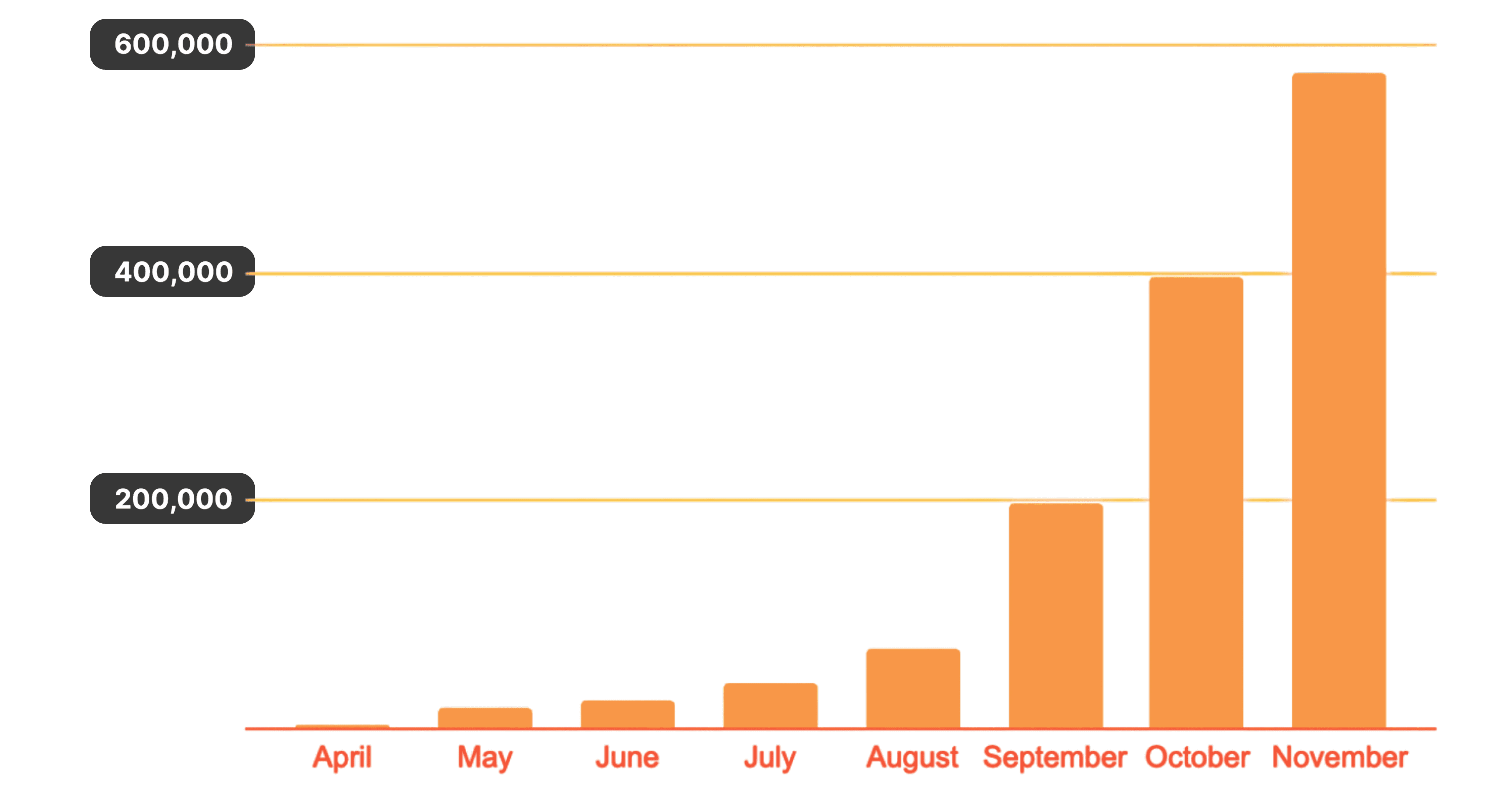
"We built Averi around the exact workflow we've used to scale our web traffic over 6000% in the last 6 months."

Your content should be working harder.

Averi's content engine builds Google entity authority, drives AI citations, and scales your visibility so you can get more customers.

You Don't Need a Content Engineer — You Need a Content Engine

The content engineer.

If you've been anywhere near LinkedIn, SEO Twitter, or the AirOps blog in the past six months, you've seen the pitch: content teams are broken, execution is the bottleneck, and the answer is hiring a hybrid role that combines content strategy, technical SEO, prompt engineering, and systems architecture into one superhuman.

It sounds great. It also sounds like something only a company with $50M ARR and a 30-person marketing team can actually pull off.

If you're a seed-stage founder reading this while also being your own CMO, CFO, and customer support rep — the "content engineer" narrative probably makes you want to close your laptop and take a walk.

Here's the thing: the problem they're describing is real. The solution they're selling is wrong — at least for startups.

You don't need to hire a content engineer. You need to build a content engine.

And there's a massive difference.

The Content Engineer Narrative (And Who It Actually Serves)

Mysterious silhouette of a woman behind frosted glass

Credit where it's due. AirOps has done a phenomenal job of defining and popularizing the content engineer role. Their argument goes something like this:

  • Content creation is bottlenecked by execution, not ideas

  • 65% of content team time goes to research and ideation

  • 82% of teams say maintaining quality at scale is their top challenge

  • Only 17% have fully integrated AI into their workflows

  • The solution: hire someone who "thinks in systems" and builds automated content workflows

All of this is true. And if you're Webflow, Carta, or any company with an established content org and budget to match — yeah, hire a content engineer. Go nuts.

But here's what the narrative conveniently skips: the vast majority of startups don't have a content team at all.

46% of B2B companies have a content marketing team of one to three people. For startups at the seed and Series A stage? That number is almost always one. And that one person is usually the founder.

So when someone says "hire a content engineer," what a startup founder hears is: "Add a $120K-$160K salary to your burn rate for a role that didn't exist 18 months ago."

That's not a growth strategy. That's a runway reduction strategy.

The Real Problem: Systems, Not People

Moonlit pine tree in a winter landscape, black and white

Here's where I agree with the content engineer crowd: the bottleneck is execution, not strategy.

Every startup founder I talk to knows what content they should be creating. They know they need BOFU pages that convert buyers. They know they need to optimize for AI search engines. They know they need consistent publishing velocity.

They just can't do it. Between product development, fundraising, sales calls, and seventeen Slack channels demanding attention — content always falls to the bottom of the priority stack.

The instinct is to throw a person at the problem. But 70% of marketers report that content creation remains their biggest operational challenge — even with more tools than ever. And McKinsey estimates that up to 70% of marketing activities can be automated with current AI capabilities. Not in some hypothetical future — right now, today.

So why are we defaulting to headcount when the answer is infrastructure?

A content engine does what a content engineer does — without the salary, the recruiting timeline, or the single point of failure risk:

Content Engineer (Person)

Content Engine (System)

One person builds workflows

System runs workflows automatically

Dependent on that person's availability

Runs 24/7, scales on demand

$120K-$175K/year fully loaded

Fraction of the cost

Takes 3-6 months to hire and ramp

Operational in days

Single point of failure

Resilient, repeatable, transferable

Builds custom solutions per project

Template-driven, continuously improving

One person's bandwidth, ~8-12 pieces/month

20-50+ pieces/month with human review

This isn't about replacing humans. It's about not requiring a unicorn hire to do what a well-built system can do automatically.

What a Content Engine Actually Looks Like

Surfers walking into the ocean at Ipanema beach at sunrise

A content engine isn't a tool. It's not a single platform or a magic AI button. It's an integrated system that handles the end-to-end content lifecycle — what Averi calls the AI marketing workspace.

Phase 1: Strategy That Builds Itself

Instead of a content engineer spending 65% of their time on research, a content engine:

  • Scrapes your website to automatically learn your brand, products, positioning, and voice

  • Analyzes competitors and identifies content gaps you can own

  • Suggests ideal customer profiles based on what you sell and who you serve

  • Generates a complete content marketing plan with topic clusters, keyword targets, and prioritized opportunities

Time investment: 10 minutes. Output: A documented strategy that informs every piece you create.

Phase 2: A Queue That Fills Itself

A content engine continuously researches your market and queues content ideas optimized for both traditional SEO and AI citations:

  • Trend monitoring: What's emerging in your industry

  • Keyword analysis: High-opportunity terms and search intent

  • Competitor tracking: What others are publishing and ranking for

  • Topic generation: Content ideas with titles, overviews, and target keywords

Your job: review and approve. The engine's job: everything else.

Phase 3: Execution Without the Grind

This is where most AI tools fail. They generate a draft and leave you holding the bag.

A proper content engine handles the full workflow:

  • Deep research: Scrapes key facts, stats, and quotes with hyperlinked sources

  • Context loading: Pulls your brand core, content library, and marketing plan

  • Structure application: Applies SEO + GEO-optimized structure with FAQ sections and TL;DR

  • First draft: AI-generated content structured for both Google and ChatGPT

  • Collaborative editing: Refine voice, copy, and POV in a shared canvas

  • Schema markup: Automatically structured for AI extraction and citations

Every piece is built for dual visibility: ranking on Google while getting cited by ChatGPT, Perplexity, Gemini, and other AI platforms that increasingly drive discovery.

Phase 4: Publication That Just Happens

Once content is approved, the engine publishes directly to your CMS — Webflow, Framer, WordPress — and stores it in your content library for future AI context. Internal linking is automatically suggested and maintained.

Phase 5: Analytics That Drive Action

A content engine doesn't just show you dashboards. It tells you what to do:

  • "This piece is ranking #8 — here's how to push it to page 1"

  • "This topic is trending — here's a content angle"

  • "Your competitor just published on X — here's your counter-angle"

  • "This page has high impressions but low CTR — rewrite the title"

Phase 6: The Human Layer

Here's the part the "replace everything with AI" crowd misses: the human still matters. But their role fundamentally changes from doing the work to directing it.

79% of content marketers say AI improved their content quality — but only when humans stay in the loop. The best content isn't fully automated. It's AI-assisted with human judgment at every decision point:

  • AI researches → Human approves the angle

  • AI drafts → Human refines the voice

  • AI optimizes → Human adds the authentic storytelling

  • AI publishes → Human decides what ships

This is the 80/20 of content: let the system handle the 80% that's process-driven, and let humans own the 20% that requires judgment, taste, and context.

The Math That Makes This Obvious

Lone car with headlights cutting through snow-covered terrain at twilight

Let's get specific.

The Content Engineer Route:

  • Salary: $95K-$130K base (content marketing manager with technical chops)

  • Benefits & overhead (25-35% on top): $120K-$175K fully loaded

  • Recruiting: 2-4 months to find, 1-3 months to ramp

  • Risk: If they leave, your entire content operation collapses

  • Output: One person's bandwidth — typically 8-12 pieces per month

The Content Engine Route:

  • Platform cost: $45-$285/month depending on volume

  • Ramp time: Days, not months

  • Risk: System is transferable, documented, and doesn't give two weeks' notice

  • Output: 20-50+ pieces per month with human review

  • Bonus: The engine gets smarter over time as it learns your brand voice and what performs

At $45/month for Averi's Plus plan, you're paying less than a single Zoom call with a freelance content strategist. At $285/month for Pro, you're paying less than one blog post from a mid-tier agency — and getting an entire content engine that runs continuously.

Compare that to hiring a marketing manager at $370K fully loaded — and the math isn't close.

"But AirOps Said 48% of Companies Are Hiring Content Engineers"

Young man in a neon-lit arcade with a retro glow

Let's unpack that. AirOps cites their own State of Content Teams report to claim that nearly half of companies are hiring for AI-specific content roles.

A few things to consider:

1. Survey bias. The companies answering an AirOps survey are already in AirOps' ecosystem. They skew larger, more technical, and more likely to hire specialized roles. This isn't a representative sample of all startups.

2. "AI-specific roles" ≠ "content engineer." The stat lumps together prompt engineers, technical content ops, and content engineers. That's a wide net.

3. Hiring intent ≠ actual hiring. Saying you plan to hire for a role and actually filling it are very different things — especially when the role didn't exist two years ago and there's no established talent pipeline.

4. The companies that can hire for this are not you. Meta, Ramp, and Vercel — the companies AirOps cites as early adopters — have thousands of employees and hundreds of millions in revenue. They're not your comp set if you're a 10-person startup.

The content engineer is a legitimate role for companies at a certain scale. But treating it as the default answer for every company is like telling a solo founder they need a VP of Engineering before they've written a line of code.

When You Actually Do Need a Content Engineer

To be fair, there are real scenarios where hiring a content engineer makes sense:

  • You're past Series B and have a dedicated content team of 5+ people

  • You're producing 100+ pieces per month and need custom workflow orchestration

  • Your content operations involve complex data integrations (e.g., programmatic SEO across millions of pages)

  • You've already built a content engine and need someone to customize and extend it

For everyone else — which is the vast majority of startups — build the engine first, hire the engineer later (if ever).

How to Build Your Content Engine This Week

Woman silhouetted against a dramatic red sunset, running along the beach

You don't need to wait. Here's a practical 5-step playbook:

Step 1: Define Your Content Pillars

Pick 3-5 topic clusters that map to your product's value proposition and your ICP's pain points. Everything you publish should ladder up to these pillars. (Here's how to think about content strategy at the seed stage.)

Step 2: Set Up Your AI Content Pipeline

Choose a platform that handles research → brief → draft → optimization in one workflow. The key is end-to-end integration, not a Frankenstein stack of 12 different tools. (Averi was built specifically for this.)

Step 3: Build Your Publishing Cadence

Startups with active blogs generate 67% more leads. Companies that publish weekly see 3.5x more conversions than those publishing monthly. Start with 2-4 posts per week. Consistency beats volume. Your engine handles the production; you handle the editorial calendar and final review.

Step 4: Optimize for AI Search From Day One

Don't just optimize for Google. ChatGPT processes over 1 billion queries daily. 60% of searches now end without a click. Build content that gets cited by AI search engines — structured data, schema markup, comprehensive answers, and topical authority. The GEO playbook is no longer optional.

Step 5: Measure What Matters

Track content ROI, not vanity metrics. Content marketing costs 62% less than traditional marketing while generating 3x more leads — but only if you're measuring the right things: AI referral traffic, conversion rates by content piece, and content-influenced pipeline. Not just pageviews.

The Bottom Line

The content engineer narrative isn't wrong about the problem. Content teams are drowning in execution work. AI is reshaping how content gets discovered. And startups do need to ship more, faster, with higher quality.

But the answer for 95% of startups isn't a new hire. It's a new system.

The old way — hiring agencies, managing freelancers, juggling a dozen tools — doesn't scale. The new way — pure AI automation — produces generic content that sounds like everyone else.

The answer is somewhere in between: AI that handles the work that slows you down, humans that add the judgment that makes it work, and a system that compounds over time.

That's what a content engine actually looks like.

Stop looking for a unicorn hire. Start building the machine.

Start your AI content engine →

Related Resources

FAQs

What is a content engineer?

A content engineer is a hybrid role that combines content strategy, technical SEO, AI prompt engineering, and systems architecture. The term was popularized by AirOps and refers to someone who builds automated content workflows rather than producing content manually. Think of it as a content marketer who thinks in systems and code rather than just words and briefs.

What is a content engine?

A content engine is an integrated system — typically powered by AI — that automates the end-to-end content lifecycle: research, brief creation, content production, SEO/GEO optimization, publishing, and performance tracking. Unlike a content engineer (a person), a content engine is infrastructure that runs continuously and scales without adding headcount. Learn more about building one.

Do startups really need content marketing to grow?

Yes. Startups with active blogs generate 67% more leads than those without, and content marketing costs 62% less than traditional marketing while producing approximately 3x more leads. For startups with limited budgets, content is often the highest-ROI growth channel — especially when optimized for both traditional search and AI-powered search engines.

How much does it cost to hire a content engineer?

Based on current market data from BuiltIn and LinkedIn salary insights, a content marketing manager with the technical skills to qualify as a "content engineer" commands $95K-$130K base salary. With benefits and overhead, that's $120K-$175K fully loaded annually — before recruiting costs and ramp time. Compare that to a content engine platform at $45-$285/month.

Can AI replace content marketers entirely?

No. 79% of content marketers say AI improved their content quality — but only when humans stay in the loop. AI handles the repetitive, process-driven parts of content marketing (research, first drafts, optimization, distribution). But authentic storytelling, strategic positioning, and the human judgment that makes content resonate still requires humans. The best approach is AI as infrastructure, humans as editorial directors.

What is GEO and why does it matter for content?

GEO stands for Generative Engine Optimization — the practice of optimizing content to be surfaced and cited by AI-powered search engines like ChatGPT, Perplexity, Google AI Overviews, and Gemini. ChatGPT alone processes over 1 billion queries daily, and 60% of searches now end without a click. Content that isn't optimized for these engines becomes increasingly invisible. A content engine handles GEO automatically; a content engineer would need to do it manually for every piece.

How is Averi different from AirOps?

Averi is purpose-built as a content engine for startups — it handles the full content lifecycle from strategy to publishing to optimization, with setup in 10 minutes and pricing starting at $45/month. AirOps is a workflow automation platform designed for larger teams building custom content engineering pipelines with enterprise pricing. The key difference: Averi replaces the need for a content engineer entirely, while AirOps gives content engineers better tools. See the full comparison.

How long does it take to see results from a content engine?

Results vary by industry and starting point, but most companies see measurable improvements within 90 days: increased organic traffic, improved keyword rankings, and — critically — content that actually gets produced consistently rather than perpetually pushed to "next week." The compounding effect is significant. B2B companies see 748% ROI from SEO-driven content strategies over time, as your content library, domain authority, and AI visibility build on each other.

Continue Reading

The latest handpicked blog articles

Experience The AI Content Engine

Already have an account?

Don't Feed the Algorithm

“Top 3 tech + AI newsletters in the country. Always sharp, always actionable.”

"Genuinely my favorite newsletter in tech. No fluff, no cheesy ads, just great content."

“Clear, practical, and on-point. Helps me keep up without drowning in noise.”

User-Generated Content & Authenticity in the Age of AI

Zach Chmael

Head of Marketing

6 minutes

In This Article

The "content engineer" is the hottest new hire in marketing. But startups don't need another $150K headcount — they need a system that makes one person do the work of ten. Here's why.

Don’t Feed the Algorithm

The algorithm never sleeps, but you don’t have to feed it — Join our weekly newsletter for real insights on AI, human creativity & marketing execution.

TL;DR

🔹 The narrative: AirOps and the enterprise SEO world are pushing the "content engineer" as the most strategic growth hire of 2026 — a hybrid role that builds AI-powered content workflows at scale.

🔹 The problem with that: Most startups don't have a content team, let alone budget for a $120K-$175K unicorn hire that didn't exist 18 months ago.

🔹 The real answer: Build a content engine — an integrated system that automates research, creation, optimization, and distribution — so one person can produce what used to take a team of ten.

🔹 The math: A content engine costs a fraction of a headcount, ships in days not months, doesn't give two weeks' notice, and gets smarter over time.

🔹 The bottom line: Content engineers are real roles for companies at enterprise scale. For the other 95% of startups? Build the engine first. Hire the engineer later — if ever.


"We built Averi around the exact workflow we've used to scale our web traffic over 6000% in the last 6 months."

founder-image
founder-image
Your content should be working harder.

Averi's content engine builds Google entity authority, drives AI citations, and scales your visibility so you can get more customers.

You Don't Need a Content Engineer — You Need a Content Engine

The content engineer.

If you've been anywhere near LinkedIn, SEO Twitter, or the AirOps blog in the past six months, you've seen the pitch: content teams are broken, execution is the bottleneck, and the answer is hiring a hybrid role that combines content strategy, technical SEO, prompt engineering, and systems architecture into one superhuman.

It sounds great. It also sounds like something only a company with $50M ARR and a 30-person marketing team can actually pull off.

If you're a seed-stage founder reading this while also being your own CMO, CFO, and customer support rep — the "content engineer" narrative probably makes you want to close your laptop and take a walk.

Here's the thing: the problem they're describing is real. The solution they're selling is wrong — at least for startups.

You don't need to hire a content engineer. You need to build a content engine.

And there's a massive difference.

The Content Engineer Narrative (And Who It Actually Serves)

Mysterious silhouette of a woman behind frosted glass

Credit where it's due. AirOps has done a phenomenal job of defining and popularizing the content engineer role. Their argument goes something like this:

  • Content creation is bottlenecked by execution, not ideas

  • 65% of content team time goes to research and ideation

  • 82% of teams say maintaining quality at scale is their top challenge

  • Only 17% have fully integrated AI into their workflows

  • The solution: hire someone who "thinks in systems" and builds automated content workflows

All of this is true. And if you're Webflow, Carta, or any company with an established content org and budget to match — yeah, hire a content engineer. Go nuts.

But here's what the narrative conveniently skips: the vast majority of startups don't have a content team at all.

46% of B2B companies have a content marketing team of one to three people. For startups at the seed and Series A stage? That number is almost always one. And that one person is usually the founder.

So when someone says "hire a content engineer," what a startup founder hears is: "Add a $120K-$160K salary to your burn rate for a role that didn't exist 18 months ago."

That's not a growth strategy. That's a runway reduction strategy.

The Real Problem: Systems, Not People

Moonlit pine tree in a winter landscape, black and white

Here's where I agree with the content engineer crowd: the bottleneck is execution, not strategy.

Every startup founder I talk to knows what content they should be creating. They know they need BOFU pages that convert buyers. They know they need to optimize for AI search engines. They know they need consistent publishing velocity.

They just can't do it. Between product development, fundraising, sales calls, and seventeen Slack channels demanding attention — content always falls to the bottom of the priority stack.

The instinct is to throw a person at the problem. But 70% of marketers report that content creation remains their biggest operational challenge — even with more tools than ever. And McKinsey estimates that up to 70% of marketing activities can be automated with current AI capabilities. Not in some hypothetical future — right now, today.

So why are we defaulting to headcount when the answer is infrastructure?

A content engine does what a content engineer does — without the salary, the recruiting timeline, or the single point of failure risk:

Content Engineer (Person)

Content Engine (System)

One person builds workflows

System runs workflows automatically

Dependent on that person's availability

Runs 24/7, scales on demand

$120K-$175K/year fully loaded

Fraction of the cost

Takes 3-6 months to hire and ramp

Operational in days

Single point of failure

Resilient, repeatable, transferable

Builds custom solutions per project

Template-driven, continuously improving

One person's bandwidth, ~8-12 pieces/month

20-50+ pieces/month with human review

This isn't about replacing humans. It's about not requiring a unicorn hire to do what a well-built system can do automatically.

What a Content Engine Actually Looks Like

Surfers walking into the ocean at Ipanema beach at sunrise

A content engine isn't a tool. It's not a single platform or a magic AI button. It's an integrated system that handles the end-to-end content lifecycle — what Averi calls the AI marketing workspace.

Phase 1: Strategy That Builds Itself

Instead of a content engineer spending 65% of their time on research, a content engine:

  • Scrapes your website to automatically learn your brand, products, positioning, and voice

  • Analyzes competitors and identifies content gaps you can own

  • Suggests ideal customer profiles based on what you sell and who you serve

  • Generates a complete content marketing plan with topic clusters, keyword targets, and prioritized opportunities

Time investment: 10 minutes. Output: A documented strategy that informs every piece you create.

Phase 2: A Queue That Fills Itself

A content engine continuously researches your market and queues content ideas optimized for both traditional SEO and AI citations:

  • Trend monitoring: What's emerging in your industry

  • Keyword analysis: High-opportunity terms and search intent

  • Competitor tracking: What others are publishing and ranking for

  • Topic generation: Content ideas with titles, overviews, and target keywords

Your job: review and approve. The engine's job: everything else.

Phase 3: Execution Without the Grind

This is where most AI tools fail. They generate a draft and leave you holding the bag.

A proper content engine handles the full workflow:

  • Deep research: Scrapes key facts, stats, and quotes with hyperlinked sources

  • Context loading: Pulls your brand core, content library, and marketing plan

  • Structure application: Applies SEO + GEO-optimized structure with FAQ sections and TL;DR

  • First draft: AI-generated content structured for both Google and ChatGPT

  • Collaborative editing: Refine voice, copy, and POV in a shared canvas

  • Schema markup: Automatically structured for AI extraction and citations

Every piece is built for dual visibility: ranking on Google while getting cited by ChatGPT, Perplexity, Gemini, and other AI platforms that increasingly drive discovery.

Phase 4: Publication That Just Happens

Once content is approved, the engine publishes directly to your CMS — Webflow, Framer, WordPress — and stores it in your content library for future AI context. Internal linking is automatically suggested and maintained.

Phase 5: Analytics That Drive Action

A content engine doesn't just show you dashboards. It tells you what to do:

  • "This piece is ranking #8 — here's how to push it to page 1"

  • "This topic is trending — here's a content angle"

  • "Your competitor just published on X — here's your counter-angle"

  • "This page has high impressions but low CTR — rewrite the title"

Phase 6: The Human Layer

Here's the part the "replace everything with AI" crowd misses: the human still matters. But their role fundamentally changes from doing the work to directing it.

79% of content marketers say AI improved their content quality — but only when humans stay in the loop. The best content isn't fully automated. It's AI-assisted with human judgment at every decision point:

  • AI researches → Human approves the angle

  • AI drafts → Human refines the voice

  • AI optimizes → Human adds the authentic storytelling

  • AI publishes → Human decides what ships

This is the 80/20 of content: let the system handle the 80% that's process-driven, and let humans own the 20% that requires judgment, taste, and context.

The Math That Makes This Obvious

Lone car with headlights cutting through snow-covered terrain at twilight

Let's get specific.

The Content Engineer Route:

  • Salary: $95K-$130K base (content marketing manager with technical chops)

  • Benefits & overhead (25-35% on top): $120K-$175K fully loaded

  • Recruiting: 2-4 months to find, 1-3 months to ramp

  • Risk: If they leave, your entire content operation collapses

  • Output: One person's bandwidth — typically 8-12 pieces per month

The Content Engine Route:

  • Platform cost: $45-$285/month depending on volume

  • Ramp time: Days, not months

  • Risk: System is transferable, documented, and doesn't give two weeks' notice

  • Output: 20-50+ pieces per month with human review

  • Bonus: The engine gets smarter over time as it learns your brand voice and what performs

At $45/month for Averi's Plus plan, you're paying less than a single Zoom call with a freelance content strategist. At $285/month for Pro, you're paying less than one blog post from a mid-tier agency — and getting an entire content engine that runs continuously.

Compare that to hiring a marketing manager at $370K fully loaded — and the math isn't close.

"But AirOps Said 48% of Companies Are Hiring Content Engineers"

Young man in a neon-lit arcade with a retro glow

Let's unpack that. AirOps cites their own State of Content Teams report to claim that nearly half of companies are hiring for AI-specific content roles.

A few things to consider:

1. Survey bias. The companies answering an AirOps survey are already in AirOps' ecosystem. They skew larger, more technical, and more likely to hire specialized roles. This isn't a representative sample of all startups.

2. "AI-specific roles" ≠ "content engineer." The stat lumps together prompt engineers, technical content ops, and content engineers. That's a wide net.

3. Hiring intent ≠ actual hiring. Saying you plan to hire for a role and actually filling it are very different things — especially when the role didn't exist two years ago and there's no established talent pipeline.

4. The companies that can hire for this are not you. Meta, Ramp, and Vercel — the companies AirOps cites as early adopters — have thousands of employees and hundreds of millions in revenue. They're not your comp set if you're a 10-person startup.

The content engineer is a legitimate role for companies at a certain scale. But treating it as the default answer for every company is like telling a solo founder they need a VP of Engineering before they've written a line of code.

When You Actually Do Need a Content Engineer

To be fair, there are real scenarios where hiring a content engineer makes sense:

  • You're past Series B and have a dedicated content team of 5+ people

  • You're producing 100+ pieces per month and need custom workflow orchestration

  • Your content operations involve complex data integrations (e.g., programmatic SEO across millions of pages)

  • You've already built a content engine and need someone to customize and extend it

For everyone else — which is the vast majority of startups — build the engine first, hire the engineer later (if ever).

How to Build Your Content Engine This Week

Woman silhouetted against a dramatic red sunset, running along the beach

You don't need to wait. Here's a practical 5-step playbook:

Step 1: Define Your Content Pillars

Pick 3-5 topic clusters that map to your product's value proposition and your ICP's pain points. Everything you publish should ladder up to these pillars. (Here's how to think about content strategy at the seed stage.)

Step 2: Set Up Your AI Content Pipeline

Choose a platform that handles research → brief → draft → optimization in one workflow. The key is end-to-end integration, not a Frankenstein stack of 12 different tools. (Averi was built specifically for this.)

Step 3: Build Your Publishing Cadence

Startups with active blogs generate 67% more leads. Companies that publish weekly see 3.5x more conversions than those publishing monthly. Start with 2-4 posts per week. Consistency beats volume. Your engine handles the production; you handle the editorial calendar and final review.

Step 4: Optimize for AI Search From Day One

Don't just optimize for Google. ChatGPT processes over 1 billion queries daily. 60% of searches now end without a click. Build content that gets cited by AI search engines — structured data, schema markup, comprehensive answers, and topical authority. The GEO playbook is no longer optional.

Step 5: Measure What Matters

Track content ROI, not vanity metrics. Content marketing costs 62% less than traditional marketing while generating 3x more leads — but only if you're measuring the right things: AI referral traffic, conversion rates by content piece, and content-influenced pipeline. Not just pageviews.

The Bottom Line

The content engineer narrative isn't wrong about the problem. Content teams are drowning in execution work. AI is reshaping how content gets discovered. And startups do need to ship more, faster, with higher quality.

But the answer for 95% of startups isn't a new hire. It's a new system.

The old way — hiring agencies, managing freelancers, juggling a dozen tools — doesn't scale. The new way — pure AI automation — produces generic content that sounds like everyone else.

The answer is somewhere in between: AI that handles the work that slows you down, humans that add the judgment that makes it work, and a system that compounds over time.

That's what a content engine actually looks like.

Stop looking for a unicorn hire. Start building the machine.

Start your AI content engine →

Related Resources

Continue Reading

The latest handpicked blog articles

Don't Feed the Algorithm

“Top 3 tech + AI newsletters in the country. Always sharp, always actionable.”

"Genuinely my favorite newsletter in tech. No fluff, no cheesy ads, just great content."

“Clear, practical, and on-point. Helps me keep up without drowning in noise.”

Don't Feed the Algorithm

“Top 3 tech + AI newsletters in the country. Always sharp, always actionable.”

"Genuinely my favorite newsletter in tech. No fluff, no cheesy ads, just great content."

“Clear, practical, and on-point. Helps me keep up without drowning in noise.”

User-Generated Content & Authenticity in the Age of AI

Zach Chmael

Head of Marketing

6 minutes

In This Article

The "content engineer" is the hottest new hire in marketing. But startups don't need another $150K headcount — they need a system that makes one person do the work of ten. Here's why.

Don’t Feed the Algorithm

The algorithm never sleeps, but you don’t have to feed it — Join our weekly newsletter for real insights on AI, human creativity & marketing execution.

You Don't Need a Content Engineer — You Need a Content Engine

The content engineer.

If you've been anywhere near LinkedIn, SEO Twitter, or the AirOps blog in the past six months, you've seen the pitch: content teams are broken, execution is the bottleneck, and the answer is hiring a hybrid role that combines content strategy, technical SEO, prompt engineering, and systems architecture into one superhuman.

It sounds great. It also sounds like something only a company with $50M ARR and a 30-person marketing team can actually pull off.

If you're a seed-stage founder reading this while also being your own CMO, CFO, and customer support rep — the "content engineer" narrative probably makes you want to close your laptop and take a walk.

Here's the thing: the problem they're describing is real. The solution they're selling is wrong — at least for startups.

You don't need to hire a content engineer. You need to build a content engine.

And there's a massive difference.

The Content Engineer Narrative (And Who It Actually Serves)

Mysterious silhouette of a woman behind frosted glass

Credit where it's due. AirOps has done a phenomenal job of defining and popularizing the content engineer role. Their argument goes something like this:

  • Content creation is bottlenecked by execution, not ideas

  • 65% of content team time goes to research and ideation

  • 82% of teams say maintaining quality at scale is their top challenge

  • Only 17% have fully integrated AI into their workflows

  • The solution: hire someone who "thinks in systems" and builds automated content workflows

All of this is true. And if you're Webflow, Carta, or any company with an established content org and budget to match — yeah, hire a content engineer. Go nuts.

But here's what the narrative conveniently skips: the vast majority of startups don't have a content team at all.

46% of B2B companies have a content marketing team of one to three people. For startups at the seed and Series A stage? That number is almost always one. And that one person is usually the founder.

So when someone says "hire a content engineer," what a startup founder hears is: "Add a $120K-$160K salary to your burn rate for a role that didn't exist 18 months ago."

That's not a growth strategy. That's a runway reduction strategy.

The Real Problem: Systems, Not People

Moonlit pine tree in a winter landscape, black and white

Here's where I agree with the content engineer crowd: the bottleneck is execution, not strategy.

Every startup founder I talk to knows what content they should be creating. They know they need BOFU pages that convert buyers. They know they need to optimize for AI search engines. They know they need consistent publishing velocity.

They just can't do it. Between product development, fundraising, sales calls, and seventeen Slack channels demanding attention — content always falls to the bottom of the priority stack.

The instinct is to throw a person at the problem. But 70% of marketers report that content creation remains their biggest operational challenge — even with more tools than ever. And McKinsey estimates that up to 70% of marketing activities can be automated with current AI capabilities. Not in some hypothetical future — right now, today.

So why are we defaulting to headcount when the answer is infrastructure?

A content engine does what a content engineer does — without the salary, the recruiting timeline, or the single point of failure risk:

Content Engineer (Person)

Content Engine (System)

One person builds workflows

System runs workflows automatically

Dependent on that person's availability

Runs 24/7, scales on demand

$120K-$175K/year fully loaded

Fraction of the cost

Takes 3-6 months to hire and ramp

Operational in days

Single point of failure

Resilient, repeatable, transferable

Builds custom solutions per project

Template-driven, continuously improving

One person's bandwidth, ~8-12 pieces/month

20-50+ pieces/month with human review

This isn't about replacing humans. It's about not requiring a unicorn hire to do what a well-built system can do automatically.

What a Content Engine Actually Looks Like

Surfers walking into the ocean at Ipanema beach at sunrise

A content engine isn't a tool. It's not a single platform or a magic AI button. It's an integrated system that handles the end-to-end content lifecycle — what Averi calls the AI marketing workspace.

Phase 1: Strategy That Builds Itself

Instead of a content engineer spending 65% of their time on research, a content engine:

  • Scrapes your website to automatically learn your brand, products, positioning, and voice

  • Analyzes competitors and identifies content gaps you can own

  • Suggests ideal customer profiles based on what you sell and who you serve

  • Generates a complete content marketing plan with topic clusters, keyword targets, and prioritized opportunities

Time investment: 10 minutes. Output: A documented strategy that informs every piece you create.

Phase 2: A Queue That Fills Itself

A content engine continuously researches your market and queues content ideas optimized for both traditional SEO and AI citations:

  • Trend monitoring: What's emerging in your industry

  • Keyword analysis: High-opportunity terms and search intent

  • Competitor tracking: What others are publishing and ranking for

  • Topic generation: Content ideas with titles, overviews, and target keywords

Your job: review and approve. The engine's job: everything else.

Phase 3: Execution Without the Grind

This is where most AI tools fail. They generate a draft and leave you holding the bag.

A proper content engine handles the full workflow:

  • Deep research: Scrapes key facts, stats, and quotes with hyperlinked sources

  • Context loading: Pulls your brand core, content library, and marketing plan

  • Structure application: Applies SEO + GEO-optimized structure with FAQ sections and TL;DR

  • First draft: AI-generated content structured for both Google and ChatGPT

  • Collaborative editing: Refine voice, copy, and POV in a shared canvas

  • Schema markup: Automatically structured for AI extraction and citations

Every piece is built for dual visibility: ranking on Google while getting cited by ChatGPT, Perplexity, Gemini, and other AI platforms that increasingly drive discovery.

Phase 4: Publication That Just Happens

Once content is approved, the engine publishes directly to your CMS — Webflow, Framer, WordPress — and stores it in your content library for future AI context. Internal linking is automatically suggested and maintained.

Phase 5: Analytics That Drive Action

A content engine doesn't just show you dashboards. It tells you what to do:

  • "This piece is ranking #8 — here's how to push it to page 1"

  • "This topic is trending — here's a content angle"

  • "Your competitor just published on X — here's your counter-angle"

  • "This page has high impressions but low CTR — rewrite the title"

Phase 6: The Human Layer

Here's the part the "replace everything with AI" crowd misses: the human still matters. But their role fundamentally changes from doing the work to directing it.

79% of content marketers say AI improved their content quality — but only when humans stay in the loop. The best content isn't fully automated. It's AI-assisted with human judgment at every decision point:

  • AI researches → Human approves the angle

  • AI drafts → Human refines the voice

  • AI optimizes → Human adds the authentic storytelling

  • AI publishes → Human decides what ships

This is the 80/20 of content: let the system handle the 80% that's process-driven, and let humans own the 20% that requires judgment, taste, and context.

The Math That Makes This Obvious

Lone car with headlights cutting through snow-covered terrain at twilight

Let's get specific.

The Content Engineer Route:

  • Salary: $95K-$130K base (content marketing manager with technical chops)

  • Benefits & overhead (25-35% on top): $120K-$175K fully loaded

  • Recruiting: 2-4 months to find, 1-3 months to ramp

  • Risk: If they leave, your entire content operation collapses

  • Output: One person's bandwidth — typically 8-12 pieces per month

The Content Engine Route:

  • Platform cost: $45-$285/month depending on volume

  • Ramp time: Days, not months

  • Risk: System is transferable, documented, and doesn't give two weeks' notice

  • Output: 20-50+ pieces per month with human review

  • Bonus: The engine gets smarter over time as it learns your brand voice and what performs

At $45/month for Averi's Plus plan, you're paying less than a single Zoom call with a freelance content strategist. At $285/month for Pro, you're paying less than one blog post from a mid-tier agency — and getting an entire content engine that runs continuously.

Compare that to hiring a marketing manager at $370K fully loaded — and the math isn't close.

"But AirOps Said 48% of Companies Are Hiring Content Engineers"

Young man in a neon-lit arcade with a retro glow

Let's unpack that. AirOps cites their own State of Content Teams report to claim that nearly half of companies are hiring for AI-specific content roles.

A few things to consider:

1. Survey bias. The companies answering an AirOps survey are already in AirOps' ecosystem. They skew larger, more technical, and more likely to hire specialized roles. This isn't a representative sample of all startups.

2. "AI-specific roles" ≠ "content engineer." The stat lumps together prompt engineers, technical content ops, and content engineers. That's a wide net.

3. Hiring intent ≠ actual hiring. Saying you plan to hire for a role and actually filling it are very different things — especially when the role didn't exist two years ago and there's no established talent pipeline.

4. The companies that can hire for this are not you. Meta, Ramp, and Vercel — the companies AirOps cites as early adopters — have thousands of employees and hundreds of millions in revenue. They're not your comp set if you're a 10-person startup.

The content engineer is a legitimate role for companies at a certain scale. But treating it as the default answer for every company is like telling a solo founder they need a VP of Engineering before they've written a line of code.

When You Actually Do Need a Content Engineer

To be fair, there are real scenarios where hiring a content engineer makes sense:

  • You're past Series B and have a dedicated content team of 5+ people

  • You're producing 100+ pieces per month and need custom workflow orchestration

  • Your content operations involve complex data integrations (e.g., programmatic SEO across millions of pages)

  • You've already built a content engine and need someone to customize and extend it

For everyone else — which is the vast majority of startups — build the engine first, hire the engineer later (if ever).

How to Build Your Content Engine This Week

Woman silhouetted against a dramatic red sunset, running along the beach

You don't need to wait. Here's a practical 5-step playbook:

Step 1: Define Your Content Pillars

Pick 3-5 topic clusters that map to your product's value proposition and your ICP's pain points. Everything you publish should ladder up to these pillars. (Here's how to think about content strategy at the seed stage.)

Step 2: Set Up Your AI Content Pipeline

Choose a platform that handles research → brief → draft → optimization in one workflow. The key is end-to-end integration, not a Frankenstein stack of 12 different tools. (Averi was built specifically for this.)

Step 3: Build Your Publishing Cadence

Startups with active blogs generate 67% more leads. Companies that publish weekly see 3.5x more conversions than those publishing monthly. Start with 2-4 posts per week. Consistency beats volume. Your engine handles the production; you handle the editorial calendar and final review.

Step 4: Optimize for AI Search From Day One

Don't just optimize for Google. ChatGPT processes over 1 billion queries daily. 60% of searches now end without a click. Build content that gets cited by AI search engines — structured data, schema markup, comprehensive answers, and topical authority. The GEO playbook is no longer optional.

Step 5: Measure What Matters

Track content ROI, not vanity metrics. Content marketing costs 62% less than traditional marketing while generating 3x more leads — but only if you're measuring the right things: AI referral traffic, conversion rates by content piece, and content-influenced pipeline. Not just pageviews.

The Bottom Line

The content engineer narrative isn't wrong about the problem. Content teams are drowning in execution work. AI is reshaping how content gets discovered. And startups do need to ship more, faster, with higher quality.

But the answer for 95% of startups isn't a new hire. It's a new system.

The old way — hiring agencies, managing freelancers, juggling a dozen tools — doesn't scale. The new way — pure AI automation — produces generic content that sounds like everyone else.

The answer is somewhere in between: AI that handles the work that slows you down, humans that add the judgment that makes it work, and a system that compounds over time.

That's what a content engine actually looks like.

Stop looking for a unicorn hire. Start building the machine.

Start your AI content engine →

Related Resources

"We built Averi around the exact workflow we've used to scale our web traffic over 6000% in the last 6 months."

founder-image
founder-image
Your content should be working harder.

Averi's content engine builds Google entity authority, drives AI citations, and scales your visibility so you can get more customers.

FAQs

Results vary by industry and starting point, but most companies see measurable improvements within 90 days: increased organic traffic, improved keyword rankings, and — critically — content that actually gets produced consistently rather than perpetually pushed to "next week." The compounding effect is significant. B2B companies see 748% ROI from SEO-driven content strategies over time, as your content library, domain authority, and AI visibility build on each other.

How long does it take to see results from a content engine?

Averi is purpose-built as a content engine for startups — it handles the full content lifecycle from strategy to publishing to optimization, with setup in 10 minutes and pricing starting at $45/month. AirOps is a workflow automation platform designed for larger teams building custom content engineering pipelines with enterprise pricing. The key difference: Averi replaces the need for a content engineer entirely, while AirOps gives content engineers better tools. See the full comparison.

How is Averi different from AirOps?

GEO stands for Generative Engine Optimization — the practice of optimizing content to be surfaced and cited by AI-powered search engines like ChatGPT, Perplexity, Google AI Overviews, and Gemini. ChatGPT alone processes over 1 billion queries daily, and 60% of searches now end without a click. Content that isn't optimized for these engines becomes increasingly invisible. A content engine handles GEO automatically; a content engineer would need to do it manually for every piece.

What is GEO and why does it matter for content?

No. 79% of content marketers say AI improved their content quality — but only when humans stay in the loop. AI handles the repetitive, process-driven parts of content marketing (research, first drafts, optimization, distribution). But authentic storytelling, strategic positioning, and the human judgment that makes content resonate still requires humans. The best approach is AI as infrastructure, humans as editorial directors.

Can AI replace content marketers entirely?

Based on current market data from BuiltIn and LinkedIn salary insights, a content marketing manager with the technical skills to qualify as a "content engineer" commands $95K-$130K base salary. With benefits and overhead, that's $120K-$175K fully loaded annually — before recruiting costs and ramp time. Compare that to a content engine platform at $45-$285/month.

How much does it cost to hire a content engineer?

Yes. Startups with active blogs generate 67% more leads than those without, and content marketing costs 62% less than traditional marketing while producing approximately 3x more leads. For startups with limited budgets, content is often the highest-ROI growth channel — especially when optimized for both traditional search and AI-powered search engines.

Do startups really need content marketing to grow?

A content engine is an integrated system — typically powered by AI — that automates the end-to-end content lifecycle: research, brief creation, content production, SEO/GEO optimization, publishing, and performance tracking. Unlike a content engineer (a person), a content engine is infrastructure that runs continuously and scales without adding headcount. Learn more about building one.

What is a content engine?

A content engineer is a hybrid role that combines content strategy, technical SEO, AI prompt engineering, and systems architecture. The term was popularized by AirOps and refers to someone who builds automated content workflows rather than producing content manually. Think of it as a content marketer who thinks in systems and code rather than just words and briefs.

What is a content engineer?

FAQs

How long does it take to see SEO results for B2B SaaS?

Expect 7 months to break-even on average, with meaningful traffic improvements typically appearing within 3-6 months. Link building results appear within 1-6 months. The key is consistency—companies that stop and start lose ground to those who execute continuously.

Is AI-generated content actually good for SEO?

62% of marketers report higher SERP rankings for AI-generated content—but only when properly edited and enhanced with human expertise. Pure AI content without human refinement often lacks the originality and depth that both readers and algorithms prefer.

Is AI-generated content actually good for SEO?

62% of marketers report higher SERP rankings for AI-generated content—but only when properly edited and enhanced with human expertise. Pure AI content without human refinement often lacks the originality and depth that both readers and algorithms prefer.

Is AI-generated content actually good for SEO?

62% of marketers report higher SERP rankings for AI-generated content—but only when properly edited and enhanced with human expertise. Pure AI content without human refinement often lacks the originality and depth that both readers and algorithms prefer.

Is AI-generated content actually good for SEO?

62% of marketers report higher SERP rankings for AI-generated content—but only when properly edited and enhanced with human expertise. Pure AI content without human refinement often lacks the originality and depth that both readers and algorithms prefer.

Is AI-generated content actually good for SEO?

62% of marketers report higher SERP rankings for AI-generated content—but only when properly edited and enhanced with human expertise. Pure AI content without human refinement often lacks the originality and depth that both readers and algorithms prefer.

Is AI-generated content actually good for SEO?

62% of marketers report higher SERP rankings for AI-generated content—but only when properly edited and enhanced with human expertise. Pure AI content without human refinement often lacks the originality and depth that both readers and algorithms prefer.

Is AI-generated content actually good for SEO?

62% of marketers report higher SERP rankings for AI-generated content—but only when properly edited and enhanced with human expertise. Pure AI content without human refinement often lacks the originality and depth that both readers and algorithms prefer.

TL;DR

🔹 The narrative: AirOps and the enterprise SEO world are pushing the "content engineer" as the most strategic growth hire of 2026 — a hybrid role that builds AI-powered content workflows at scale.

🔹 The problem with that: Most startups don't have a content team, let alone budget for a $120K-$175K unicorn hire that didn't exist 18 months ago.

🔹 The real answer: Build a content engine — an integrated system that automates research, creation, optimization, and distribution — so one person can produce what used to take a team of ten.

🔹 The math: A content engine costs a fraction of a headcount, ships in days not months, doesn't give two weeks' notice, and gets smarter over time.

🔹 The bottom line: Content engineers are real roles for companies at enterprise scale. For the other 95% of startups? Build the engine first. Hire the engineer later — if ever.


Continue Reading

The latest handpicked blog articles

Don't Feed the Algorithm

“Top 3 tech + AI newsletters in the country. Always sharp, always actionable.”

"Genuinely my favorite newsletter in tech. No fluff, no cheesy ads, just great content."

“Clear, practical, and on-point. Helps me keep up without drowning in noise.”

Don't Feed the Algorithm

“Top 3 tech + AI newsletters in the country. Always sharp, always actionable.”

"Genuinely my favorite newsletter in tech. No fluff, no cheesy ads, just great content."

“Clear, practical, and on-point. Helps me keep up without drowning in noise.”