

In This Article
Explore how AI models navigate copyright risks and compliance challenges in marketing, ensuring effective and legally sound content creation.
Updated:
Trusted by 1,000+ teams
Startups use Averi to build
content engines that rank.
AI tools have transformed marketing by creating content quickly, but they also introduce copyright risks. Many AI models are trained on data that may include copyrighted material, leading to legal and reputational challenges for businesses. Here's what you need to know:
Key Risk: AI can unintentionally replicate copyrighted content without proper attribution, creating compliance issues.
Legal Uncertainty: U.S. copyright laws, especially around "fair use", remain unclear for AI-generated content.
Solutions: Platforms like Averi AIuse proprietary training data, human oversight, and compliance tools to reduce risks.
Best Practices: Combine AI efficiency with human review, use brand-specific data for training, and adopt tools with built-in compliance checks.
To navigate these challenges, marketing teams should prioritize human oversight, leverage tools designed for compliance, and stay updated on evolving regulations. This ensures AI-powered marketing remains effective without legal setbacks.
AI and Copyright: What Marketers Need to Know
Copyright Challenges in AI Model Training and Deployment
AI models face a range of legal and technical hurdles when it comes to copyright compliance - issues that carry extra weight in marketing, where originality and adherence to the law are critical for protecting a brand's reputation. Below, we explore these challenges in the areas of training data, content creation, and marketing-specific risks.
Copyrighted Material in Training Data
AI systems often rely on massive datasets pulled from the internet, books, and other sources, many of which are protected by copyright. Under U.S. copyright law, using copyrighted material without explicit permission typically hinges on meeting fair use criteria. However, how fair use applies to AI training is still a gray area in legal discussions.
Since these models are trained on such diverse and extensive datasets, they may inadvertently reproduce content or create outputs that closely resemble copyrighted works. This raises concerns for marketers, as AI-generated content could unintentionally include material that infringes on copyright protections.
Legal Questions Around AI-Generated Content
The legal framework surrounding AI-generated content is far from settled in the U.S., leaving marketers to navigate unresolved questions about copyright, ownership, and potential infringement.
Fair use complicates matters further. In marketing, where content is created for commercial gain, fair use becomes a less dependable defense. Another layer of complexity arises with ownership - who holds the rights to a campaign slogan or visual concept created by an AI tool? These uncertainties pose significant challenges for marketing teams trying to stay on the right side of the law.
Marketing-Specific Compliance Risks
For marketing campaigns, these legal uncertainties translate into amplified risks. The visibility and financial stakes of marketing efforts mean that copyright compliance is not just a legal formality - it’s essential for avoiding costly disputes and protecting a brand's image. A single copyright infringement claim tied to a high-profile campaign could lead to legal battles, disruptions, and reputational harm.
Traditional creative workflows typically include multiple review stages to catch potential copyright issues. However, the rapid pace at which AI generates content can bypass these safeguards if proper checks aren't in place. To mitigate these risks, marketing teams must establish thorough review processes for AI outputs and ensure consistent human oversight to uphold compliance. Without these measures, the speed of AI could come at the cost of legal and reputational safety.
Technical and Policy Solutions for Copyright Compliance
AI companies are taking active steps to address copyright challenges in both training data and content creation. By combining technical tools with policy initiatives, they aim to tackle different facets of compliance effectively.
Technical Controls in AI Systems
On the technical side, key measures include filtering datasets to exclude copyrighted material and using watermarking techniques. Watermarking helps identify AI-generated content, making it easier to track and manage compliance. Together, these tools strengthen efforts to ensure responsible AI usage.
Policy Guidelines and Compliance Frameworks
Although regulatory frameworks are still evolving, there’s a growing emphasis within the industry on transparency and proper data handling. This push encourages companies to align their practices with emerging standards, setting the stage for more consistent compliance.
Best Practices for Marketing Teams
For marketing teams, rigorous review processes and human oversight are essential when working with AI-generated content. These practices ensure that while leveraging AI for efficiency, they don’t compromise on legal or reputational safeguards. Without such precautions, the benefits of AI could quickly turn into liabilities.
How Marketing AI Platforms Ensure Compliance
Marketing AI platforms have devised specific methods to address copyright compliance while maintaining the creative freedom brands require. These solutions go beyond simple content generation by combining advanced AI tools with human oversight and brand-specific training.
Systems for Creating Brand-Safe Content
To ensure compliance, marketing AI platforms train their models using business data and pre-approved content libraries. Tools like Averi AI incorporate brand-specific training features, which minimize dependence on external copyrighted material and ensure outputs align with a brand’s unique standards.
These platforms also build in guardrails to enforce compliance checks during the content creation process.
"I've been testing it against ChatGPT… I love how it's customized to the information that I have in there in terms of my brand and tone." - Payton, Broadside
By prioritizing company-owned, pre-approved materials over broad, potentially risky datasets, these tailored systems provide a safer and more reliable approach to content creation.
This customization lays the groundwork for more advanced compliance tools, as demonstrated by platforms like Averi AI.
Averi AI's Compliance Framework
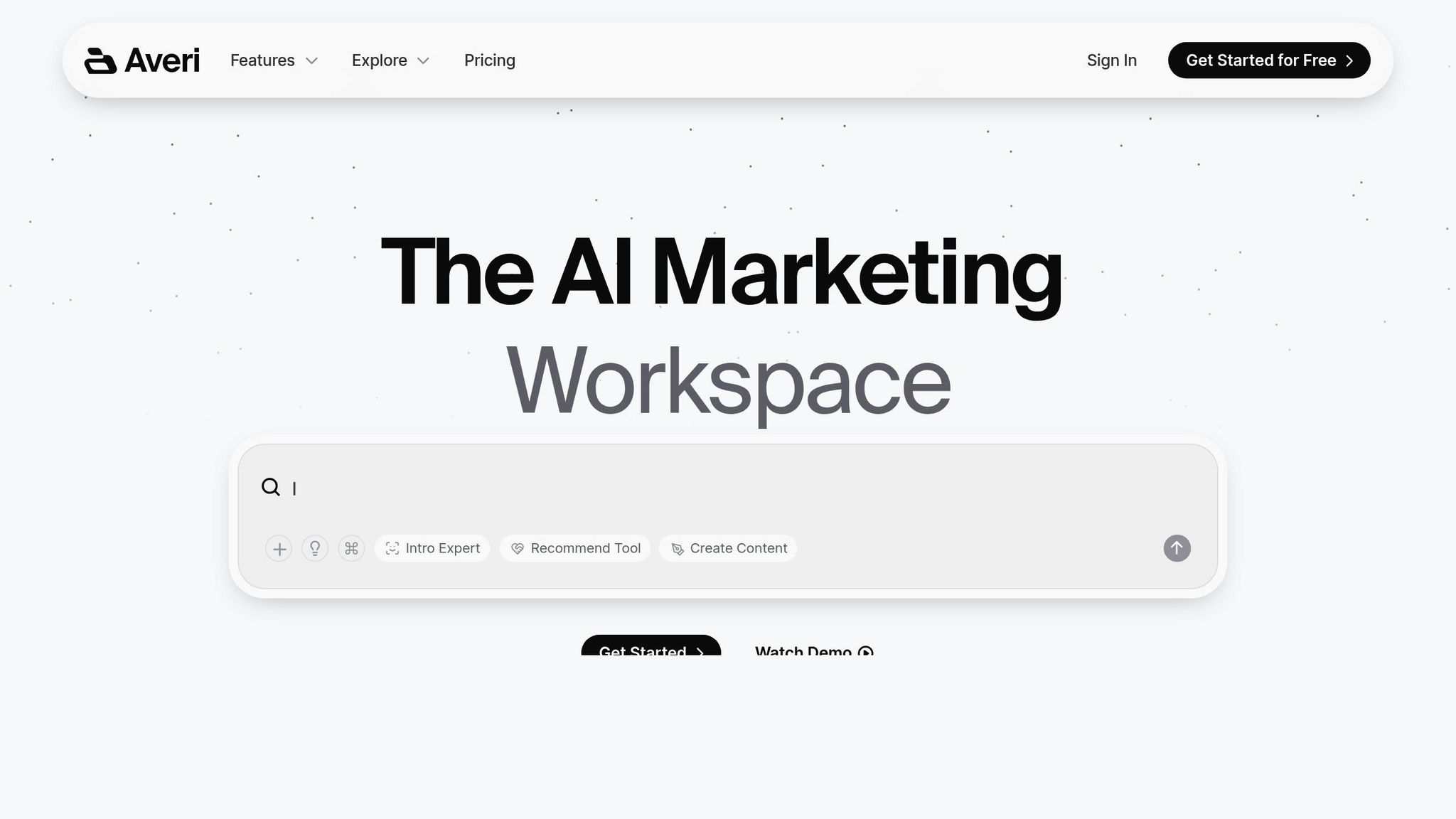
Some platforms, like Averi AI, go a step further by integrating human expertise alongside AI capabilities. Recognizing the limitations of purely technical solutions, Averi AI combines AI efficiency with human oversight using its Synapse orchestration system, the AGM-2 marketing-trained model, and the Human Cortex network. Through its "/create Mode", the platform merges AI-generated drafts with real-time human editing to ensure compliance.
Averi AI’s centralized Brand Core stores essential brand elements - such as voice guidelines, mission statements, values, and customer profiles - to continuously train the AI in adhering to specific brand standards. The platform also offers collaboration features, allowing users to consult vetted marketing professionals when navigating complex compliance challenges.
"The AI handles what it should, and my team handles what we do best. No confusion about roles, no redundant work. Just better marketing, faster." - Kevin, Fieldgrade
Additionally, Averi AI’s asset management tools enhance compliance by helping teams organize and access libraries of brand-approved materials. This ensures that AI-generated content builds on legally cleared resources rather than relying on external, potentially problematic sources.
Comparing AI Platforms on Copyright Compliance
AI platforms approach copyright compliance in diverse ways, and these differences can have a big impact on marketers choosing the right tools for their organizations. Let’s break down how these platforms vary in terms of human oversight, customization, and their overall philosophy.
Platform Compliance Features Comparison
When it comes to copyright compliance, marketing-specific platforms like Averi AI and Copy.ai stand apart from general-purpose tools such as ChatGPT. These differences become evident in their features and focus areas.
Human oversight is a key area of distinction. Averi AI combines generative AI with human expertise, offering tools like its "/create Mode" and access to an Expert Marketplace for manual editing [1]. On the other hand, Copy.ai emphasizes fast content creation with "proper guardrails" for AI agents but doesn’t prioritize human editing as a central feature [2].
Customization and data control also vary significantly. Averi AI allows businesses to train the platform on their proprietary data and define their "Brand Core" to ensure outputs are tailored to their specific branding [1]. Similarly, Copy.ai offers an "Infobase" for storing company-specific information and tools to define a "Brand Voice", ensuring AI-generated content meets brand and legal standards [2]. However, general-purpose tools often lack this level of customization, making them less suitable for businesses with stringent brand guidelines.
Platform philosophy further influences compliance strategies. Averi AI positions itself as a collaborative workspace, blending AI-generated drafts with human editing to maintain high-quality control [1]. In contrast, Copy.ai describes itself as a secure, business-focused platform, emphasizing broad content policies rather than hands-on customization [2].
In addition to these strategies, security features set marketing-specific platforms apart. These tools often include advanced measures like data encryption, user-controlled access, and adherence to regulations such as GDPR and CCPA. General-purpose AI platforms, however, tend to offer less granular control over data management, which may be a concern for businesses handling sensitive information.
When to Choose Marketing-Specific AI Platforms
For organizations with strict brand and legal standards, marketing-specific platforms like Averi AI are often the best choice. The ability to train models on proprietary data and align outputs with established compliance standards ensures that content creation stays within the bounds of copyright and branding requirements.
Businesses that need human oversight should look for platforms that integrate expert review into their workflows. This feature not only reduces reliance on external copyrighted material but also ensures that content aligns with brand guidelines.
Enterprise teams, in particular, benefit from platforms with robust security features and centralized repositories for brand-approved assets. These tools combine the speed and efficiency of AI with the oversight necessary to maintain compliance, making them ideal for professional marketing environments.
Future Trends in AI and Copyright Compliance
AI is reshaping the way marketing teams approach compliance, and staying ahead of emerging trends is essential for crafting strategies that can keep pace with changing regulations and technologies. The landscape of AI copyright compliance is evolving quickly, influenced by new legal frameworks and advancements in technology. To remain effective, marketing teams must stay informed and adaptable as these developments unfold.
Expected Legal and Technical Developments
Regulatory bodies and industry leaders are working to establish clearer guidelines for how AI interacts with copyrighted content. In the United States, for example, ongoing discussions aim to create a more structured regulatory framework for AI-generated works. At the same time, technology providers are exploring ways to integrate compliance tools into their platforms, though these solutions are still in development. As these regulations take shape, marketing teams will need strategies that can adapt to this shifting environment.
Building Flexible Compliance Strategies
To navigate these changes, marketing teams should focus on combining AI capabilities with human oversight. As Averi AI puts it, “Gen AI plus human expertise, not instead of.” This collaborative approach allows AI to handle the initial stages of content creation while human marketers ensure the output meets compliance standards.
Customizing AI platforms with proprietary data is another way to strengthen compliance. By training AI systems on their own brand guidelines and company information, teams can reduce dependence on external sources and minimize risks.
Selecting the right AI tools will also become increasingly critical. Teams should prioritize platforms that include built-in compliance features and streamlined workflows, ensuring consistent application of standards across all content creation processes.
Regularly reviewing AI-generated content and updating workflows in response to new regulations will be essential. The goal is to create scalable systems that retain the efficiency of AI while meeting compliance demands. Striking the right balance between innovation and adherence to evolving rules will define future success in AI-powered marketing.
Conclusion: Building a Compliant AI Marketing Strategy
Navigating AI marketing successfully means finding the right balance between embracing innovation and ensuring responsibility. Teams that manage this balance effectively can tap into AI's creative power while safeguarding their organizations from legal and reputational challenges.
The key lies in combining AI's capabilities with human oversight. AI can handle the heavy lifting of generating initial content quickly, but human review remains essential to verify compliance and ensure outputs align with both performance goals and legal standards.
Using your own brand assets to train AI is a smart starting point. By integrating your company’s brand guidelines, voice standards, and proprietary knowledge into AI systems through tailored training modules, you can minimize reliance on external sources that may pose compliance risks. This approach not only enhances the quality of AI-generated content but also ensures it aligns with your specific requirements for consistency and compliance [1][2].
Automated guardrails and workflows can quietly ensure compliance. Think of these systems as a background safety net - similar to spell-check - flagging potential issues before content goes live. They make the compliance process seamless, stepping in only when necessary.
Opt for platforms with compliance-focused features. Many marketing-specific AI tools come equipped with built-in compliance mechanisms, such as transparent data handling, clear content attribution, and integrated review systems. These tools are designed with marketing workflows in mind, making them better suited to anticipate and address compliance concerns compared to general-purpose AI platforms.
As regulations continue to evolve, building flexible systems is essential. Teams that invest in adaptable processes now - combining the right tools, structured workflows, and ongoing training - will be better prepared to handle future changes. Regular audits and updates to workflows will help keep your strategy effective as the regulatory landscape shifts.
Ultimately, compliance doesn’t have to stifle creativity. Instead, it can become an integral part of your workflow, turning AI from a potential risk into a strategic advantage. By embedding compliance into your processes, you can unlock AI’s potential without compromising on responsibility.
FAQs
How can marketing teams ensure AI-generated content respects copyright laws?
Marketing teams can navigate copyright laws effectively when working with AI-generated content by following a few essential practices:
Choose AI tools with copyright protections: Select platforms like Averi, which incorporate features to respect intellectual property rights and ensure proper handling of third-party content.
Confirm the legality of source material: Make sure the AI model relies on legally obtained and licensed data to avoid any risk of copyright violations.
Review and refine AI outputs: Treat the AI-generated content as a starting point. Have a team member review and edit the material to ensure it complies with copyright laws and aligns with your brand’s standards.
By blending dependable AI tools with careful human oversight, marketing teams can produce content that respects copyright laws while maintaining originality and quality.
How do marketing-focused AI platforms like Averi AI handle copyright compliance differently from general-purpose tools?
Marketing-focused AI platforms, like Averi AI, are built with features that address copyright and intellectual property (IP) compliance, making them particularly useful for tasks like content creation and campaign planning. These tools often include safeguards such as enforcing brand voice consistency, checking usage rights, and maintaining IP ownership - all tailored to meet the needs of marketers.
On the other hand, general-purpose AI tools may not offer these specialized controls, leaving marketers to handle compliance checks manually. Averi AI stands out by using its proprietary architecture, Synapse, along with its marketing-trained model, AGM-2, to manage compliance more effectively. This approach not only ensures that content adheres to legal standards and brand guidelines but also minimizes risks and saves valuable time.
How could changes in copyright laws affect AI-generated content, and what can businesses do to stay compliant?
As copyright regulations shift, they could introduce stricter rules on how AI models handle and produce content, particularly when dealing with copyrighted materials. It's crucial for businesses to stay updated on these developments and ensure their AI tools operate within the bounds of compliance standards.
To get ahead of these changes, companies can take several proactive steps:
Review content sources to confirm that all necessary licenses or permissions are secured.
Opt for AI tools built with compliance safeguards, focusing on those designed to respect intellectual property rights.
Seek advice from legal experts to create strategies for managing emerging regulations effectively.
Tools like Averi AI, which blends AI-powered content creation with human oversight, offer a practical solution. These platforms provide businesses with resources that align with compliance requirements, helping them adapt to the evolving legal landscape.
Related Blog Posts

Zach Chmael
CMO, Averi
"We built Averi around the exact workflow we've used to scale our web traffic over 6000% in the last 6 months."
Your content should be working harder.
Averi's content engine builds Google entity authority, drives AI citations, and scales your visibility so you can get more customers.